

442 North Syracuse Street, Anaheim, CA 92801
For more information about senior living options: (866) 208-4318
Queen Mary Guest Home Costs & Pricing
Queen Mary Guest Home offers competitive monthly rates for both semi-private and private accommodations when compared to the broader market in Orange County and California. The cost for a semi-private room at Queen Mary is $2,000, significantly lower than the average of $3,431 in Orange County and $3,333 statewide. Similarly, their private rooms are priced at $3,000, which remains more affordable than the local average of $4,104 and the state average of $3,939. This positions Queen Mary Guest Home as an appealing option for those seeking quality care without the burden of excessive costs typically associated with similar facilities in the area.
| Floor plans | Queen Mary Guest Home | Orange County | California |
|---|---|---|---|
| Semi-Private | $2,000 | $3,431 | $3,333 |
| Private | $3,000 | $4,104 | $3,939 |
Assisted Living communities with a similar price nearby
-
from -$200 / mo

Paradise Residential Senior Care 2
$1,800 / month22.9 miles away -
About the same
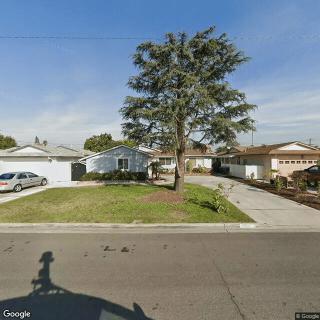
Angel's Care Guest Home
$2,000 to $3,000 / month4.1 miles away -
About the same

House Of Grace
$2,000 to $4,200 / month23.9 miles away -
from -$200 / mo
Paradise Residential Senior Care 3
$1,800 to $2,800 / month23.5 miles away -
from -$200 / mo
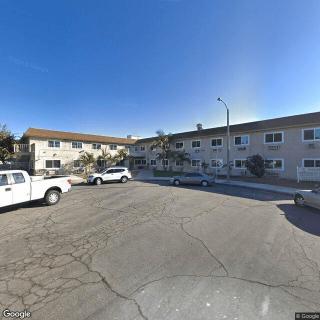
Palms Retirement Center
$1,800 to $3,495 / month3.4 miles away
Overall Review of Queen Mary Guest Home
Pros
 Queen Mary Home is easy to maneuver for wheelchair or walker users.
- The rooms are nice and comfortable.
- The home has a small, close-knit community with only six residents.
- The staff is attentive to residents, provides good food, and is friendly.
- The owner is very involved.
- The facility ensures someone is available to walk with residents around the block.
- The director is very nice.
- It is a women-only facility.
Review
Queen Mary Guest Home is best suited for women who want a very small, home-like setting in Anaheim where personal attention is the priority and mobility within the facility is straightforward. With around six residents, this is a tightly run, intimate environment where staff can know each resident well and tailor routines around individual needs. The layout and accommodations are welcoming to wheelchairs or walkers, making daily navigation less burdensome for someone who requires assistance. The combination of nice, comfortable rooms and a hands-on owner creates a sense of stability and direct accountability that families often value in a setting where they must place a loved one in someone else’s care.
There are clear reasons to consider alternatives, especially for families with male residents or those seeking a larger community with broader social programming. Queen Mary Guest Home operates as a women-only facility, which is a hard constraint for men or mixed-gender households. The small size, while comforting for some, also means fewer opportunities for diverse activities, events, and peer interaction that larger communities routinely offer. For families looking for robust memory care options, a wider range of therapies, or more expansive on-site services, a different setting will likely serve better.
The strongest positives here increasingly offset potential drawbacks. The staff is described as attentive, friendly, and consistently accessible, with a straightforward, consistent approach to daily routines. Food quality is highlighted as good, and residents often remark on the care team’s willingness to accommodate walking outings, twice daily walks for one resident, with staff ensuring someone is available to accompany him. The owner’s involvement reinforces a level of oversight that can translate into responsive problem-solving and a sense that the community is well cared for, not just managed from afar. For families prioritizing safety, mobility support, and a quiet, predictable schedule, these attributes can tip the balance in favor of choosing Queen Mary.
Yet the main cons are meaningful and should guide a careful evaluation. The gender restriction alone excludes roughly half the population and can be a decisive barrier for many families. The six-resident limit, while delivering intimate care, also narrows social circles, reduces spontaneous peer interaction, and potentially constrains the diversity of activities and stimulation that a resident might crave over time. If a loved one expects a broad activity calendar, frequent family visits integrated with a wider community, or eventual transition to more specialized care, these limits warrant serious consideration before committing.
In practical terms, this community works best when the decision hinges on fit rather than a broad menu of services. Prospective families should verify the current occupancy and ask specifically about how the walking program is staffed and scheduled, along with what happens if a resident requires additional assistance during the night or on weekends. A tour should include a firsthand look at room sizes, safety features, and the ease of maneuvering a wheelchair or walker through common areas. Importantly, confirm the facility’s policy on admissions if a male relative becomes a factor, and probe for any upcoming changes that might broaden or preserve the current small, women-focused model.
Overall, Queen Mary Guest Home stands out as a practical option for women seeking a warm, highly supervised, low-key setting with reliable mobility support and evident owner commitment. It embodies the advantages of a diminutive, controllable environment where staff know residents well and meals and routines are predictable. It is not suitable for families needing male placement, a bustling social calendar, or extensive memory care accommodations. For those prioritizing intimate care, steady daily structure, and easy accessibility, Queen Mary deserves serious consideration; for others, especially those seeking co-ed living, larger communities, or broader therapeutic offerings, exploring alternatives will likely yield a better long-term alignment.
 6 resident community capacity
 Assisted Living
 Board and Care Home
 Cats allowed
 Dogs allowed
 Bath tubs
 Cable or satellite TV
 Dining room
 Fully furnished
 Garden
 Housekeeping services
 Move-in coordination
 Outdoor space
 Private
 Telephone
 Wi-Fi/high-speed internet available
 Long Beach (Daugherty) (10 miles away)
 24-hour supervision
 Activities of daily living assistance
 Ambulatory care
 Assistance with bathing
 Assistance with dressing
 Assistance with transfers
 Diabetes diet
 Meal preparation and service
 Medication management
 Special dietary restrictions
 Transportation arrangement (medical)
 Transportation to doctors appointments







 Beyond the Bingo Hall: 50+ Enriching Activities for Seniors in Assisted Living
 Understanding the Distinctions: Assisted Living and Memory Care Explained
 Guiding Elderly Parents Who Refuse Assisted Living: 6 Practical Steps