
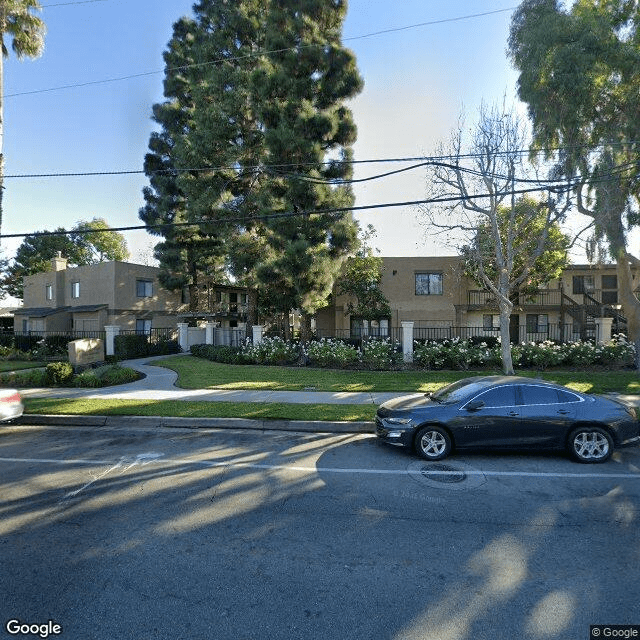
950 South Gilbert Street, Anaheim, CA 92804
To contact a resident: (855) 227-8889
For more information about senior living options: (866) 208-4318
Heritage Park Senior Apartments Costs & Pricing
Heritage Park Senior Apartments offers competitive pricing for its residents, particularly when compared to the broader market in Orange County and California. For a one-bedroom unit, Heritage Park's monthly fee of $925 stands in stark contrast to the significantly higher costs in the county and state, which average around $4,380 and $4,340 respectively. Similarly, their two-bedroom apartments are available for $1,100, while Orange County and California see averages of $5,390 and $5,270. This makes Heritage Park an attractive option for seniors seeking quality living arrangements without the hefty price tag often associated with more extensive facilities in the region. Overall, these rates highlight a commitment to providing affordable housing solutions for seniors within a vibrant community setting.
| Floor plans | Heritage Park Senior Apartments | Orange County | California |
|---|---|---|---|
| 1 Bedroom | $925 | $4,380 | $4,340 |
| 2 Bedrooms | $1,100 | $5,390 | $5,270 |
Senior living communities with a similar price nearby
-
from +$170 / mo
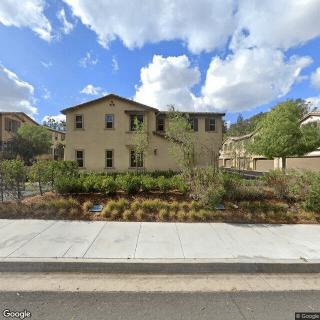
Palacio Senior Apartments
$1,095 to $1,395 / month11.0 miles away -
About the same
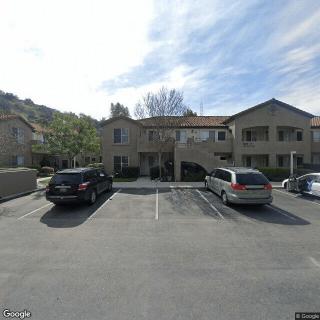
Heritage Oaks Senior Apartments
$900 to $1,100 / month21.8 miles away -
from -$157 / mo
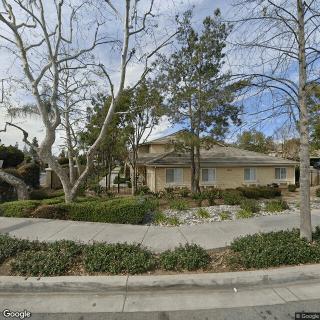
Vintage Grove
$768 to $1,110 / month23.6 miles away -
About the same

Heritage Village Anaheim For Seniors
$899 to $1,249 / month2.7 miles away -
from -$59 / mo
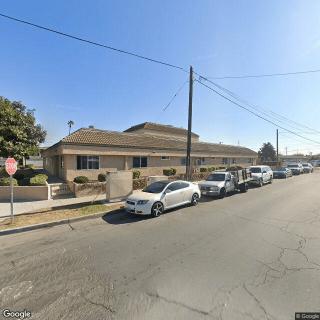
Sunrise Senior Residential Care
$866 to $1,800 / month0.9 miles away
Overall Review of Heritage Park Senior Apartments
Pros
 Residents are happy living there.
- There are nice people to talk to and managers who are sweet.
- Vickie, the manager, is a sweet, helpful, and caring person.
Cons
 There are no handicap accommodations and no elevators.
- The leasing agent didn't provide her name, was very rude, and lacked basic courtesy when discussing rent information and viewings.
- There is only a waiting list.
Review
Heritage Park Senior Apartments in Anaheim is best suited for independent seniors who prize a warm, neighborly atmosphere over high-end amenities. The tone in the community is clearly social and low-key, with residents noting that there are nice people to talk to and managers who feel approachable and caring. The strongest advertisement is the everyday integrity of the place: a palpable sense of community where neighbors know one another and staff, particularly the on-site managers, are seen as helpful. The practical caveat is baked into the building itself: there are no handicap accommodations and no elevator. That combination makes the property a fit primarily for mobile seniors who can navigate stairs and do not anticipate needing mobility assistance in the near term. The reality of a waiting list further shapes who should pursue this option and when.
Those who should consider alternatives are clear: anyone who relies on accessibility features or who expects ready availability should look elsewhere. The absence of elevators and the lack of handicap accommodations mean wheelchair users, walkers, or residents with evolving mobility needs will likely encounter feasibility barriers here. A separate but important signal is the reported experience with leasing staff; a rude or unhelpful rental process can sour the initial impression and complicate the move, especially for families coordinating logistics and pricing questions. With a waiting list in place, urgent placement is unlikely; households needing a quick transition should prioritize communities with immediate availability and clearer onboarding.
On balance, the strongest positives, friendly staff, approachable managers, and real social energy, do offset several drawbacks for the right resident. Descriptions of the manager, specifically Vickie, as sweet, helpful, and caring, suggest a level of hands-on oversight that translates into dependable day-to-day interactions. The social dynamics, neighbors who are easy to talk to and a general sense of belonging, offset some of the practical limitations for those who can self-manage without mobility aids. Yet these advantages do not fully neutralize the core issue: accessibility is not present, and it cannot be overlooked if future needs involve stairs, ramps, or imminent mobility support. For independent seniors who value connection, the environment can be a meaningful fit; for those approaching assisted living thresholds, the gaps become increasingly consequential.
From a decision-making perspective, buyers should verify a few critical factors before committing. First, quantify the current and anticipated wait time on the list and understand how long mobility needs can be anticipated to remain unmet. Second, validate rent information and any potential increases with a staff member who introduces themselves and explains costs clearly, since the leasing experience described elsewhere can color expectations. Third, visit the property with a focus on mobility in daily life, test stairs, evaluate common areas, and talk to residents about how long they’ve lived there and what changes, if any, they’ve faced as needs evolved. Finally, assess whether the social benefits align with personal goals; a strong community can dramatically improve quality of life, but only if accessibility and timing meet the family’s practical requirements.
Compared to other Anaheim options, Heritage Park’s value proposition sits at a precise point: it delivers genuine community and responsive management, but it sacrifices mobility accommodations and speed of move-in. For seniors who want a comfortable, sociable living environment and who can function without an elevator, this residence can be a steady, reassuring choice. For families prioritizing accessible units, mobility-support options, or rapid occupancy, exploring alternatives with concrete elevator access and a smoother leasing process is advisable. The bottom line is clear: Heritage Park is a practical fit for independent residents who can live with the trade-offs, not a universal solution for all seniors in transition. If the fit feels right after a candid visit with Vickie and the resident body, it can be a dependable home; if accessibility or immediacy are non-negotiable, steer toward other communities.
 Active Adult Communities (55+)
 Cats allowed
 Dogs allowed
 Activities on-site
 Indoor common areas
 Outdoor common areas
 Wheelchair accessible showers
 Long Beach (Daugherty) (11 miles away)


 In-Home Care Costs in 2025: A Detailed State-by-State Exploration
 Understanding Home Health Care: A Comprehensive Guide
 Home Health Care Demystified: A Comprehensive Guide for Families and Caregivers