

311 Camp Road, Pocahontas, AR 72455
For more information about senior living options: (866) 208-4318
StoneBridge of Pocahontas Costs & Pricing
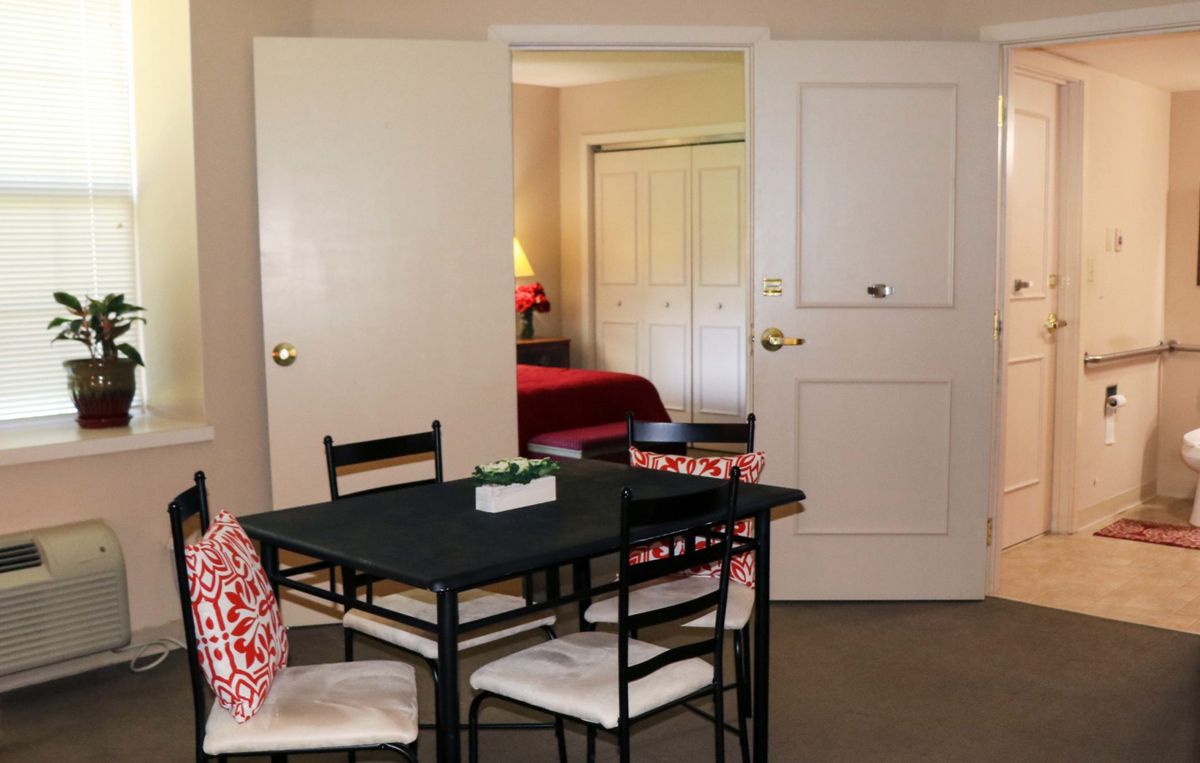
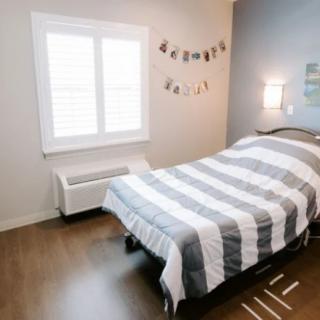
At StoneBridge of Pocahontas, the monthly costs for various room types reflect a commitment to quality care and comfortable living. For a studio apartment, residents can expect to pay $3,161, aligning with both Randolph County and state averages. The one-bedroom option is priced at $3,640, also matching local and statewide rates but slightly exceeding the Arkansas average of $3,322. The two-bedroom accommodations come in at $4,457, which is notably higher than the state average of $3,490 as well as the county's price point. Overall, while StoneBridge's costs are competitive within Randolph County and Arkansas, they underscore the premium services and amenities offered to enhance residents' lifestyles.
| Floor plans | StoneBridge of Pocahontas | Randolph County | Arkansas |
|---|---|---|---|
| Studio | $3,161 | $3,161 | $2,863 |
| 1 Bedroom | $3,640 | $3,640 | $3,322 |
| 2 Bedrooms | $4,457 | $4,457 | $3,490 |
Overall Review of StoneBridge of Pocahontas
Pros
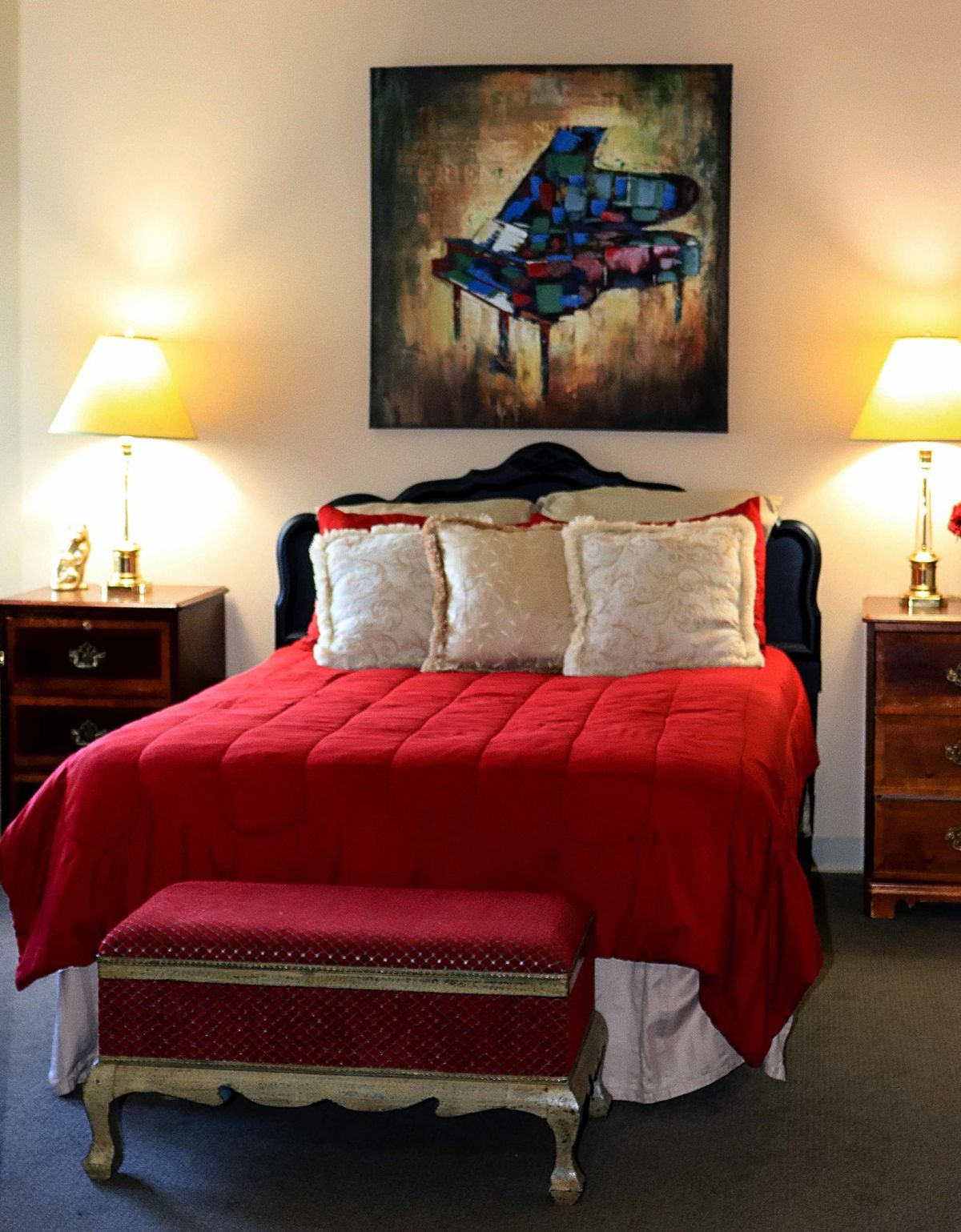
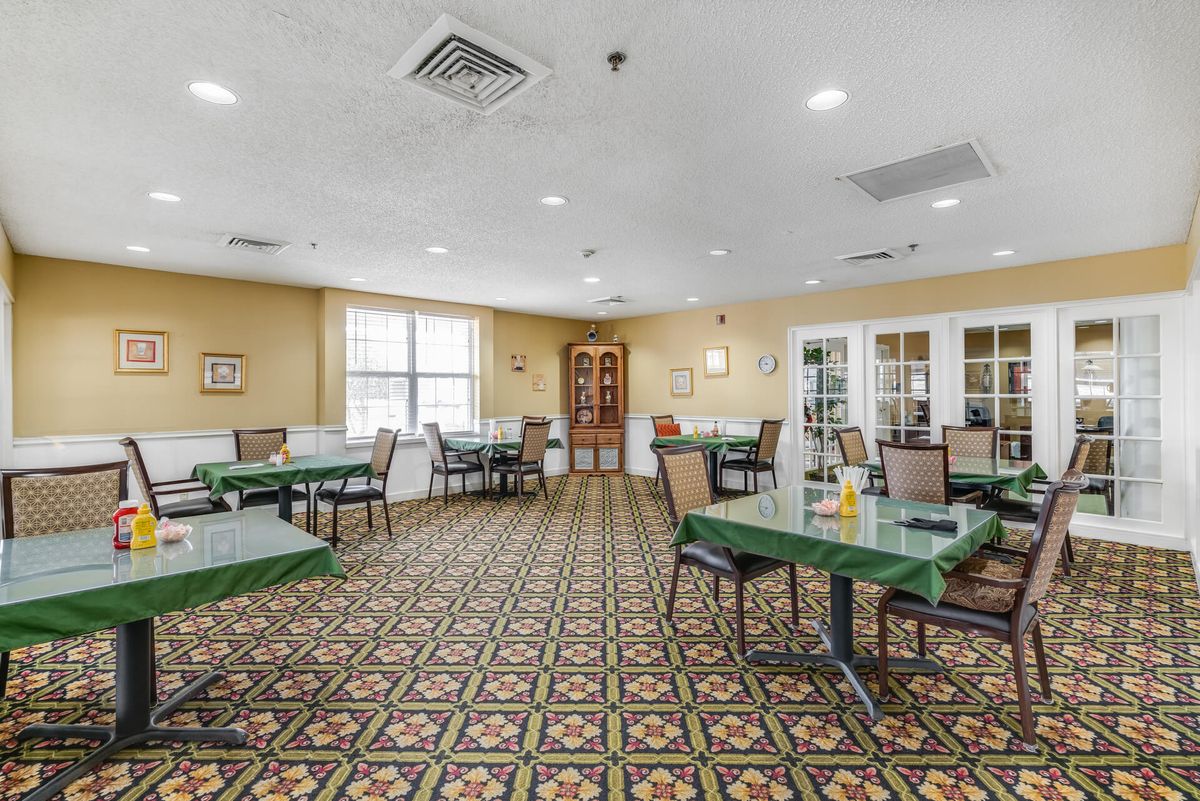
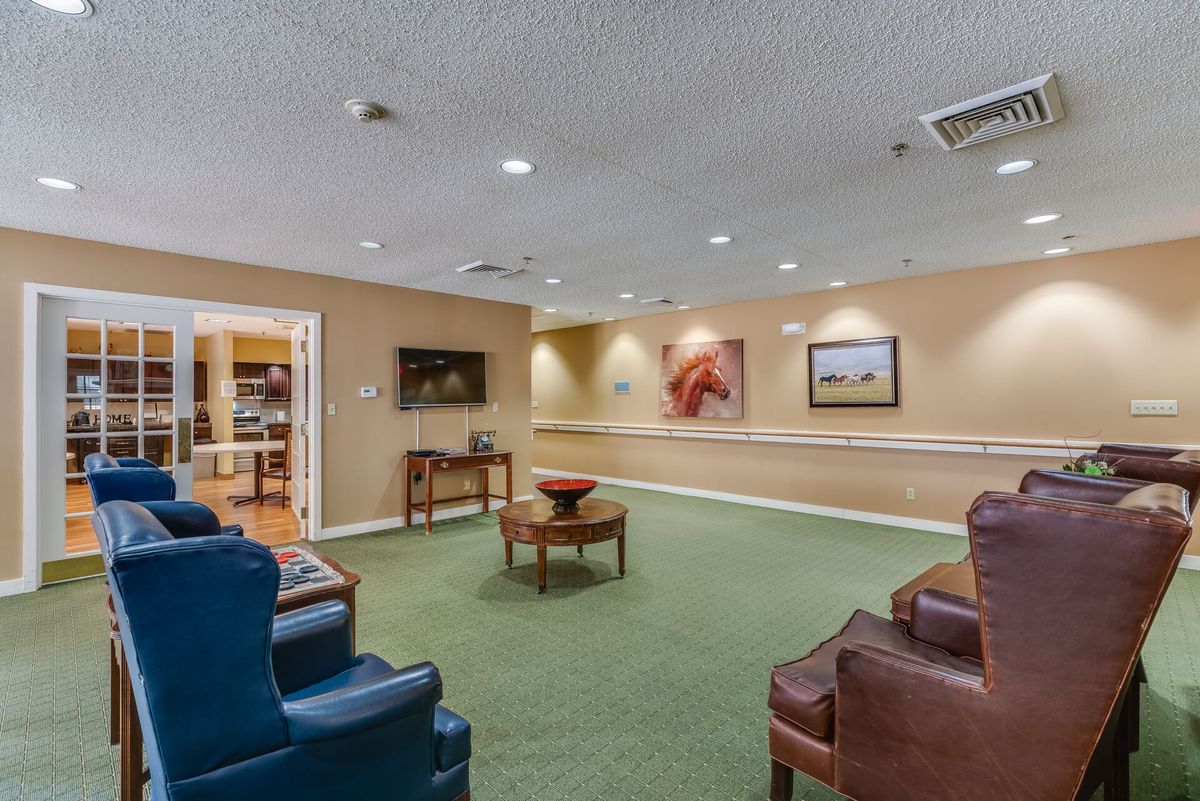
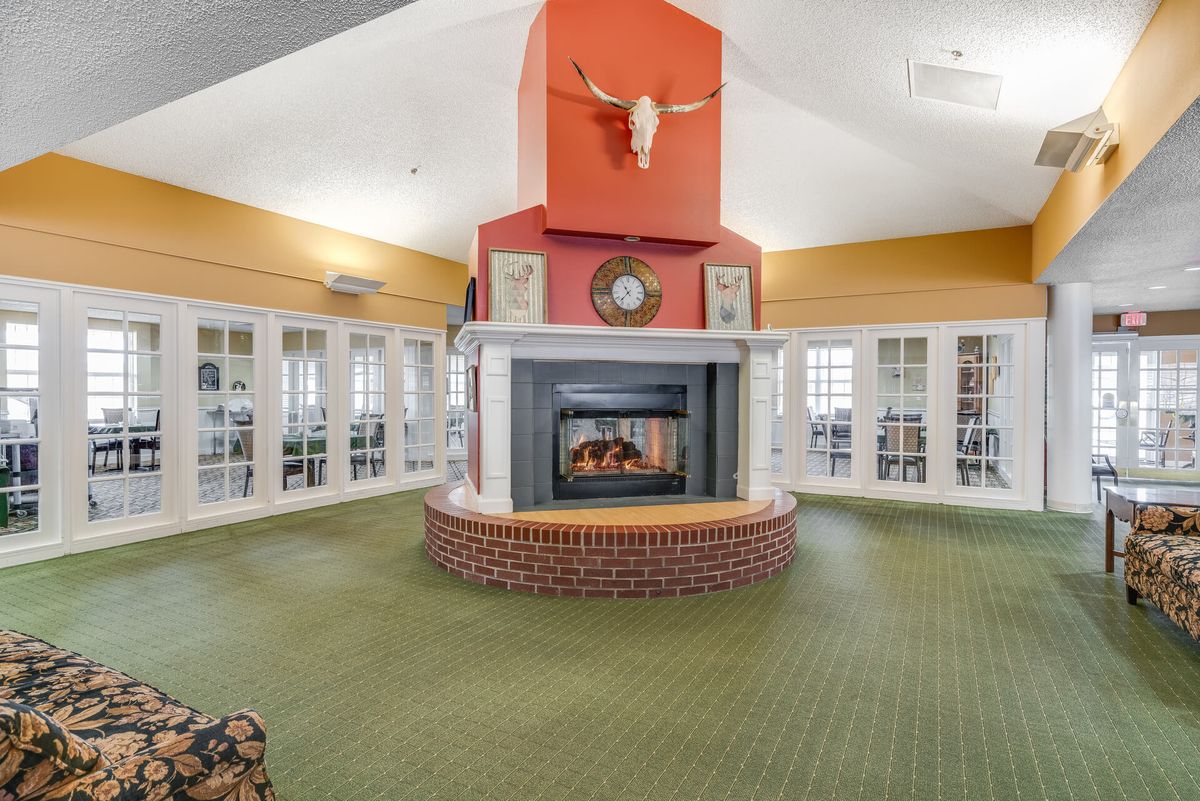
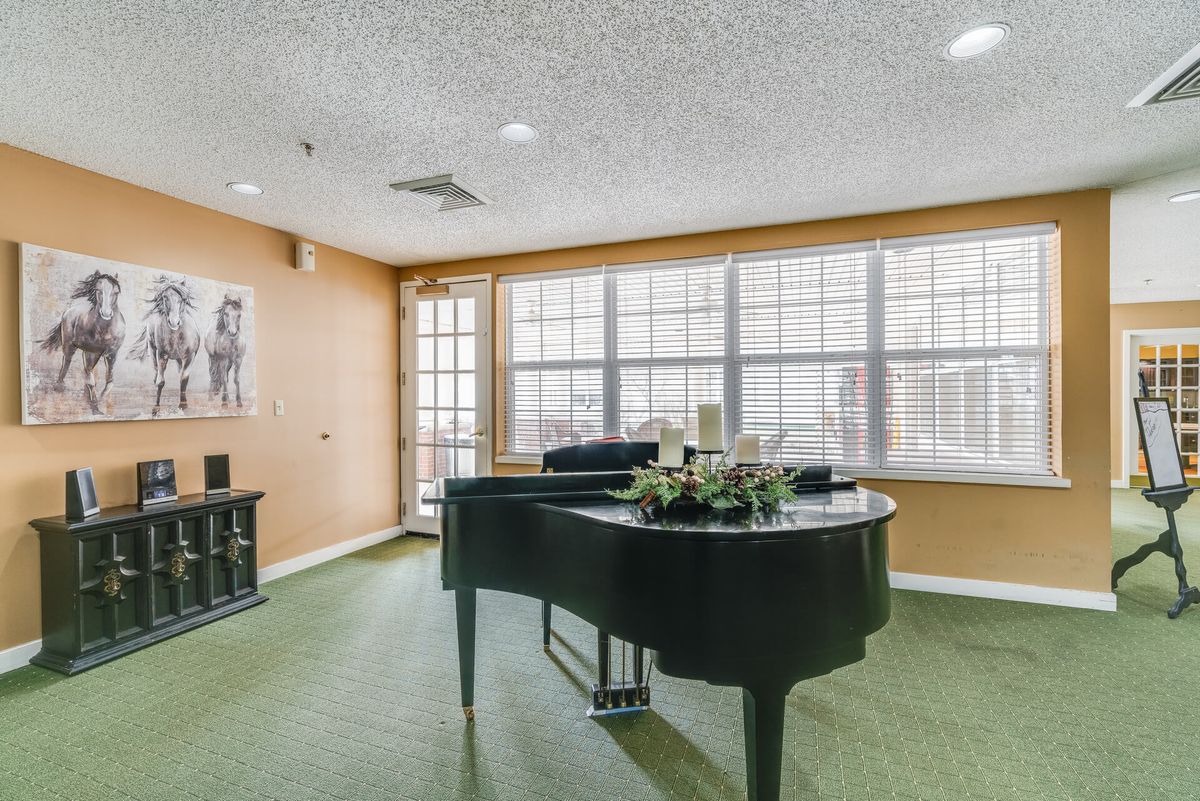
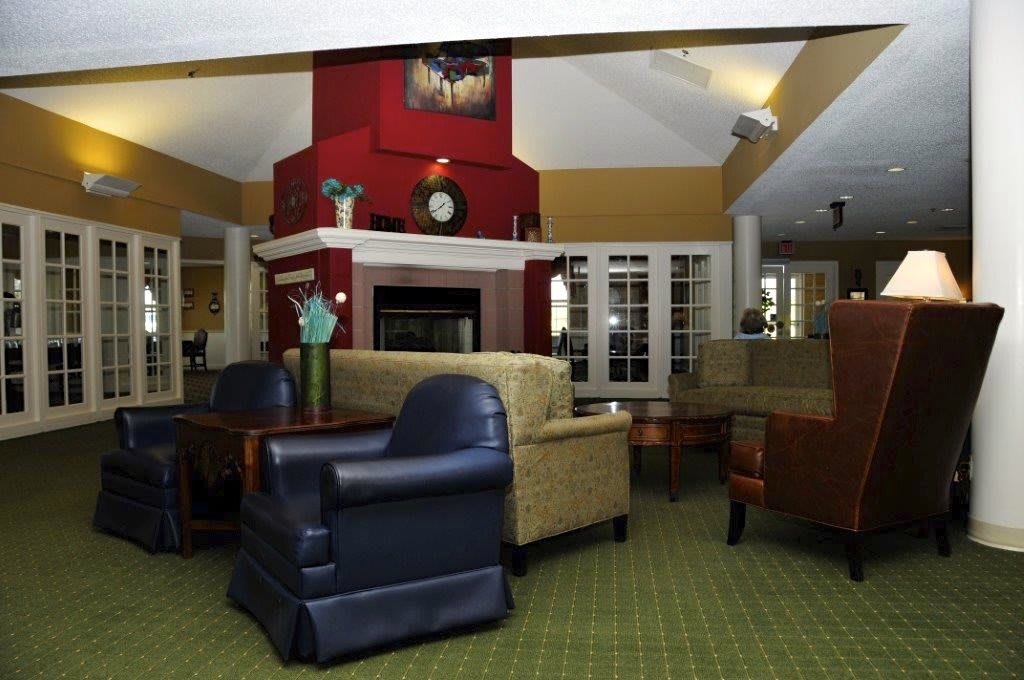
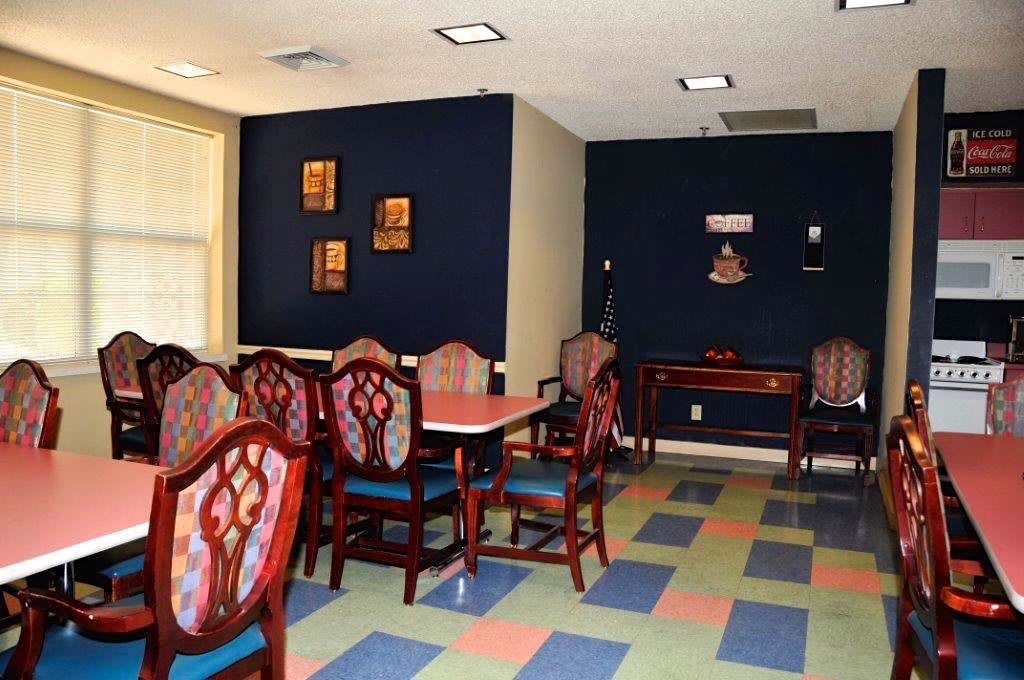
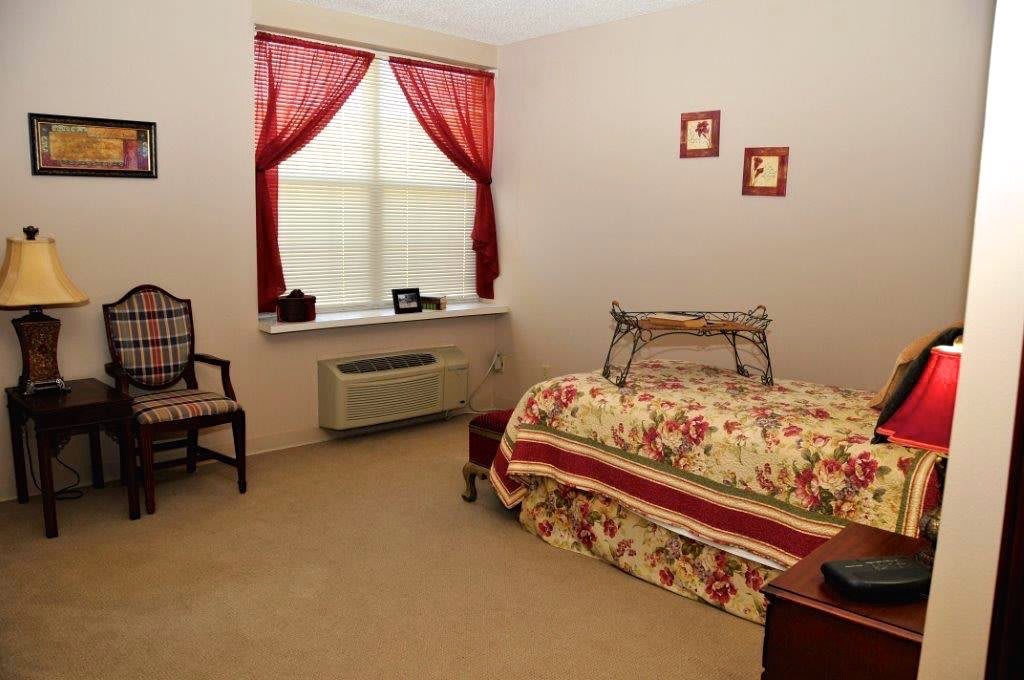
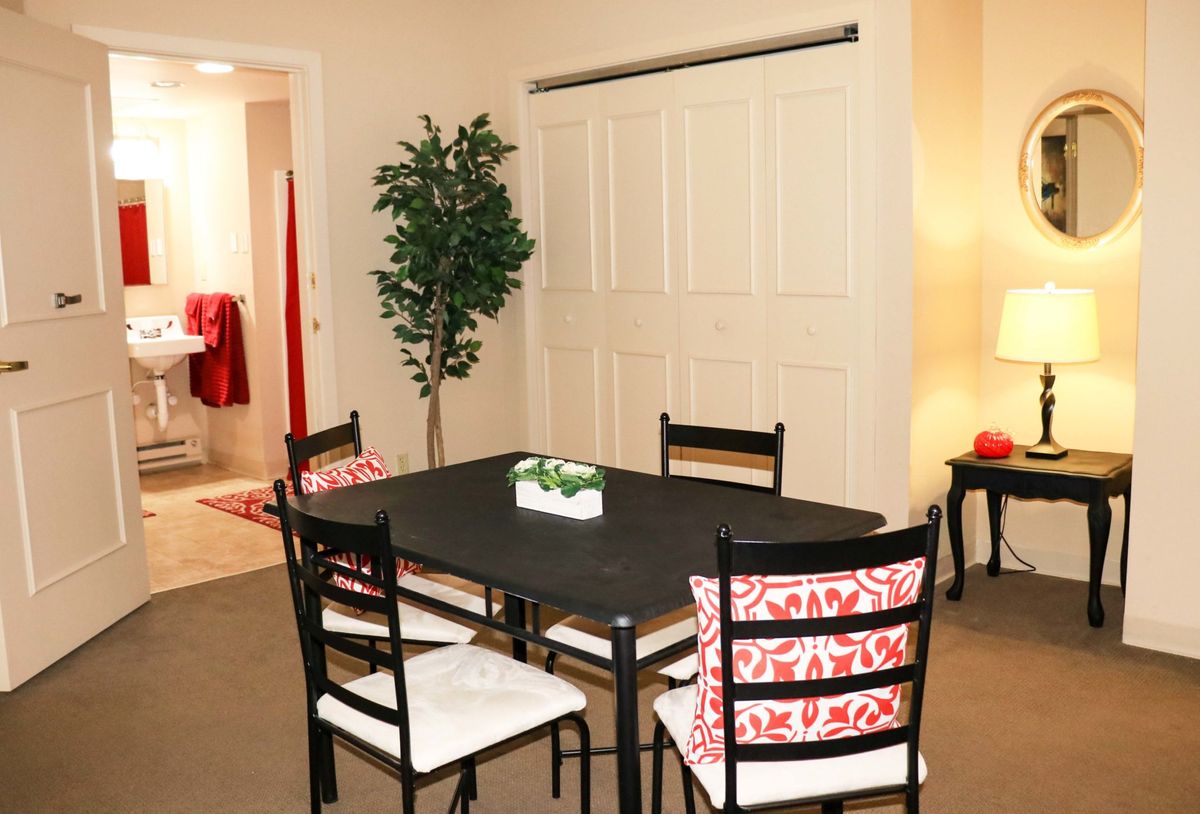
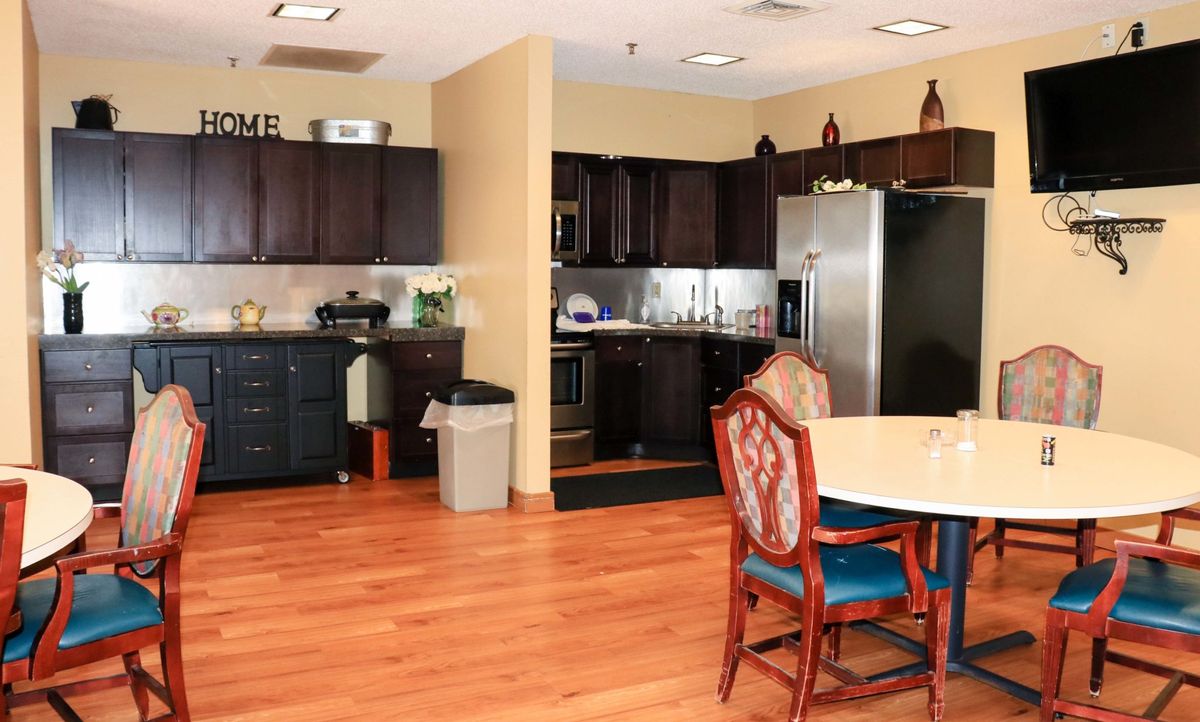
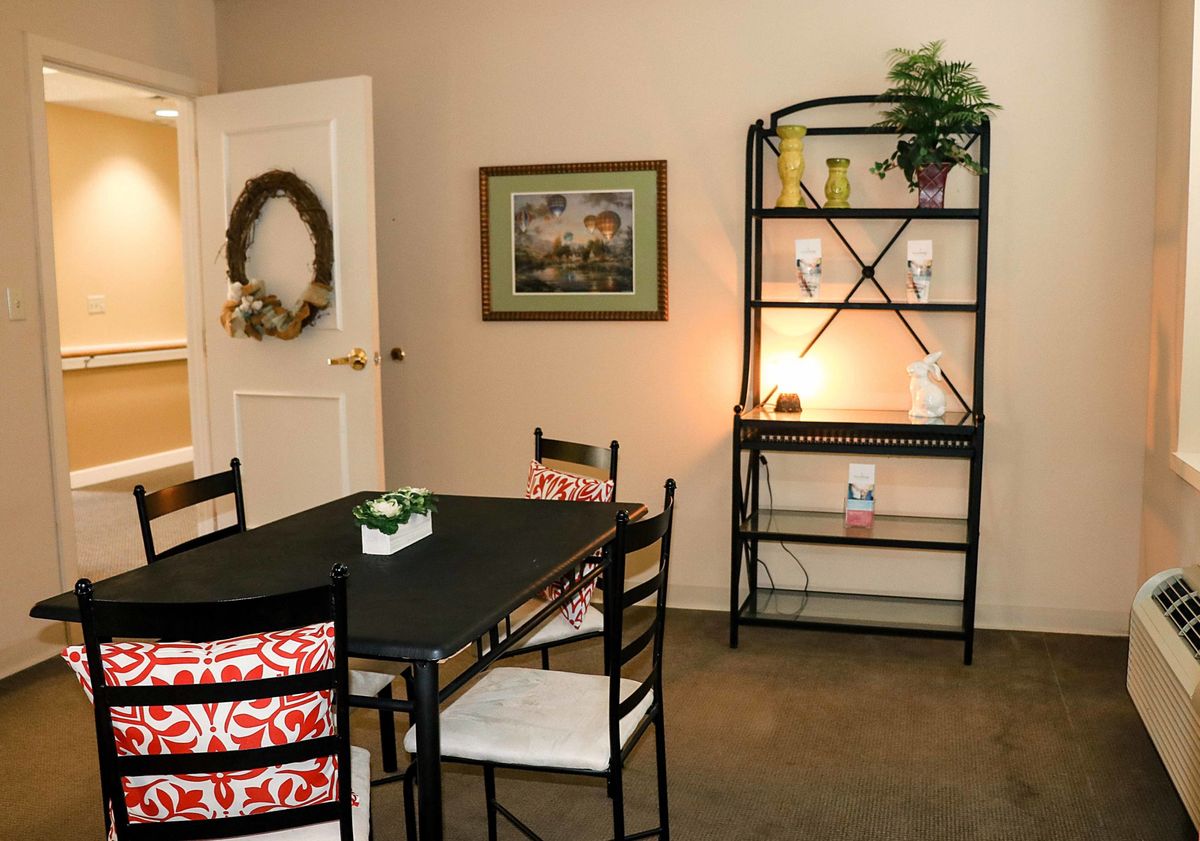
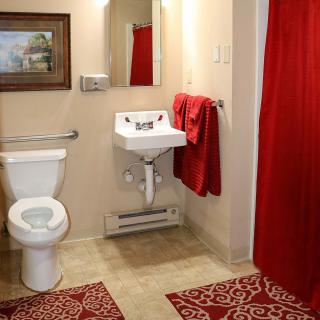
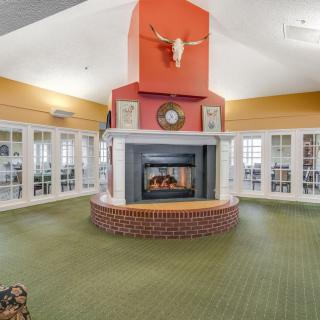
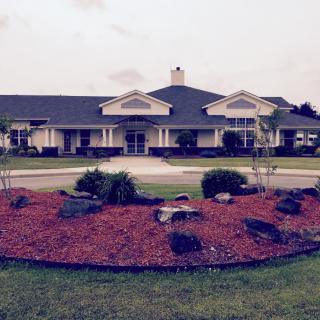
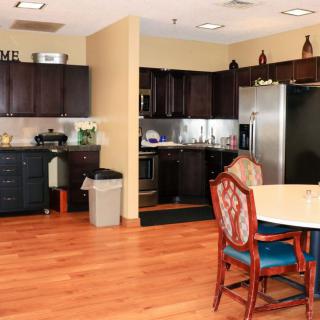
 The place is clean and beautiful.
- The staff are wonderful and feel like family.
- The place is upbeat and cheerful.
- The facility offers exercise classes.
- There is a sewing area for residents.
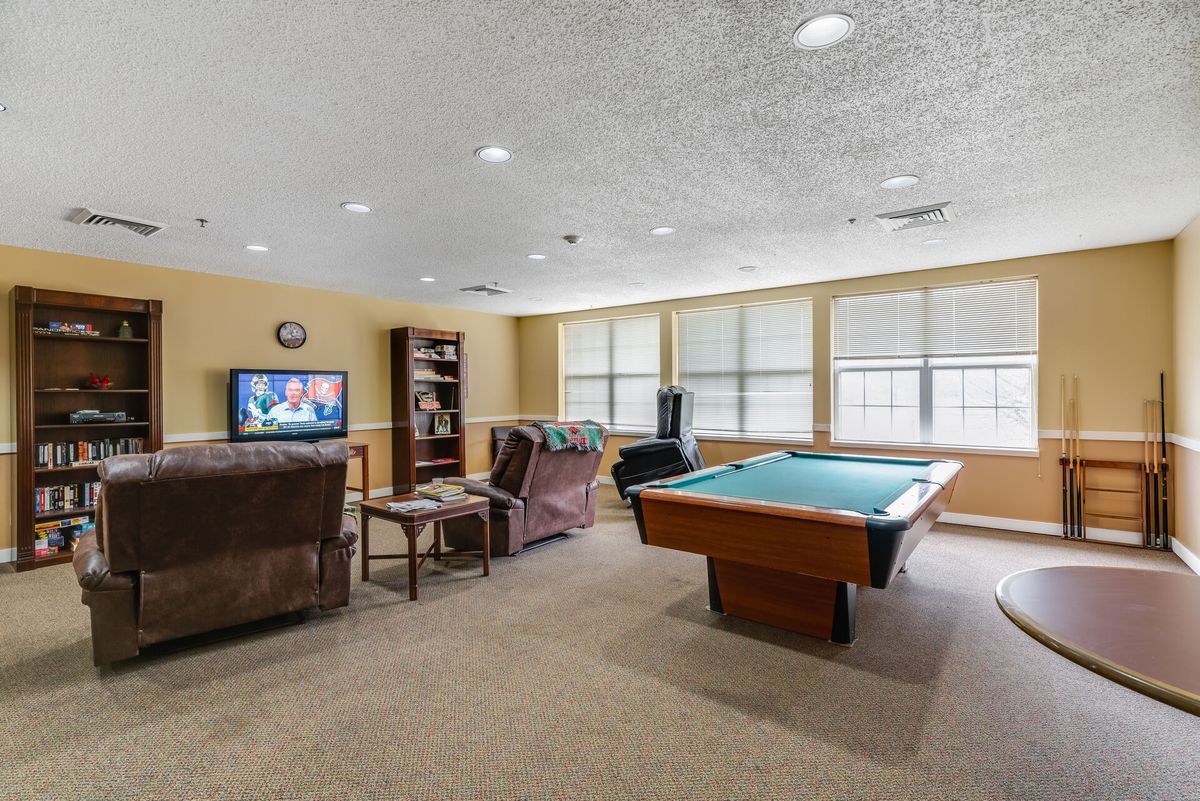
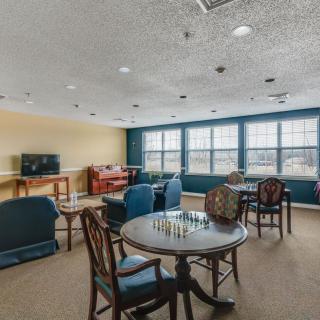
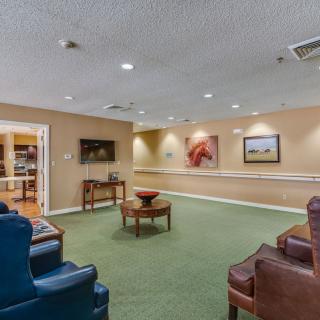
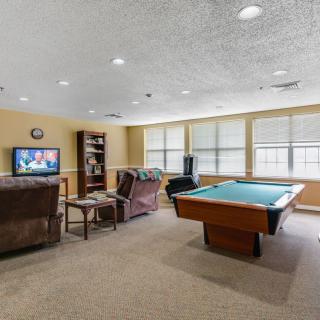
- There is a pool table and a man cave with a big TV for sports.
Cons
 The staff do not help the grandmother; the emergency button goes unanswered.
- The front desk never answers despite multiple calls.
- The staff have no respect for others, including loved ones.
Review
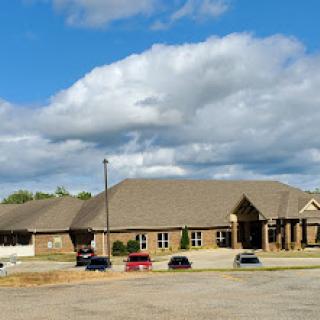
StoneBridge of Pocahontas is best suited for active seniors who prize a bright, home-like setting with plentiful social opportunities. The community shines for those who want a clean, beautiful campus and an upbeat atmosphere that makes daily life feel approachable. It tends to attract residents who enjoy interactive activities, exercise classes, sewing, billiards, and casual social spaces, where companionship and engagement are part of the daily rhythm. For families, the facility satisfies with visible amenities and a welcoming vibe during visits. However, it is not the default pick for seniors who need consistent, highly reliable medical oversight or a staff team that demonstrably prioritizes rapid response and respectful care at all times. Prospective residents should be aware that the care experience can be uneven, and advocacy from loved ones may be essential to ensure needs are met.
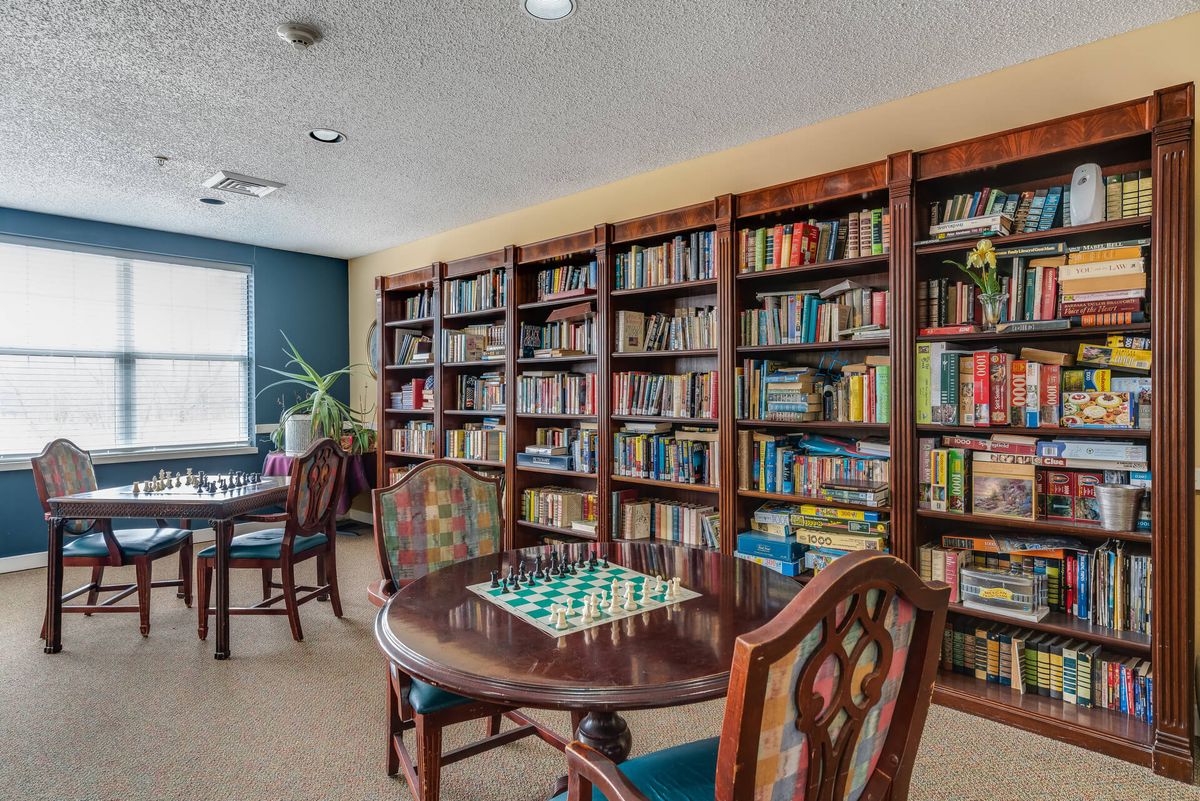
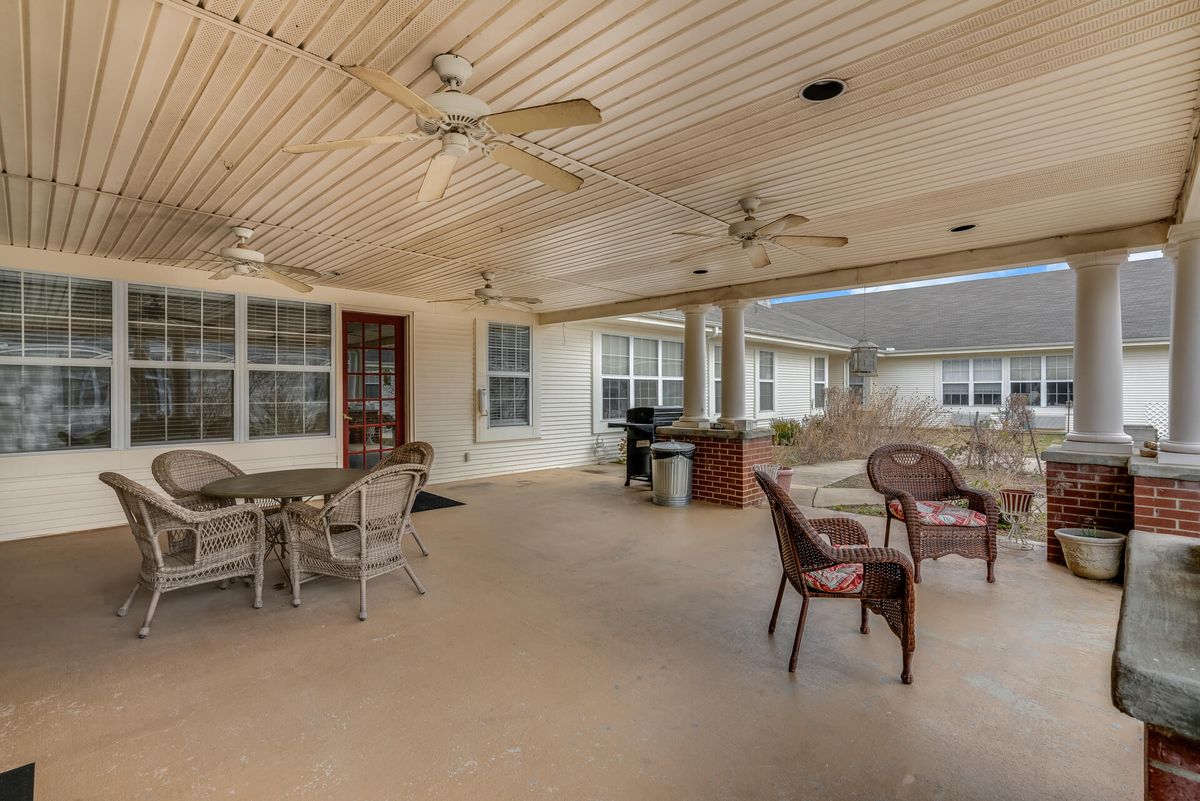
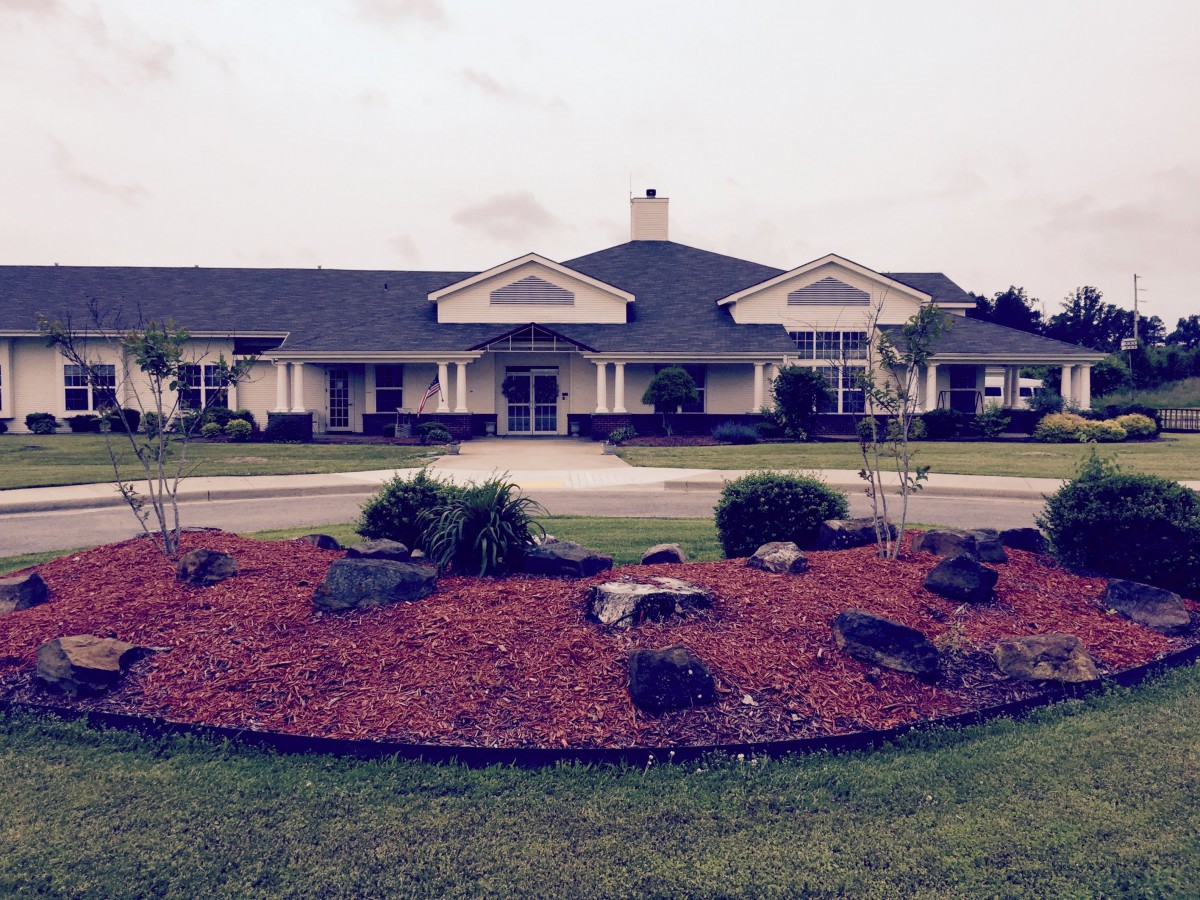
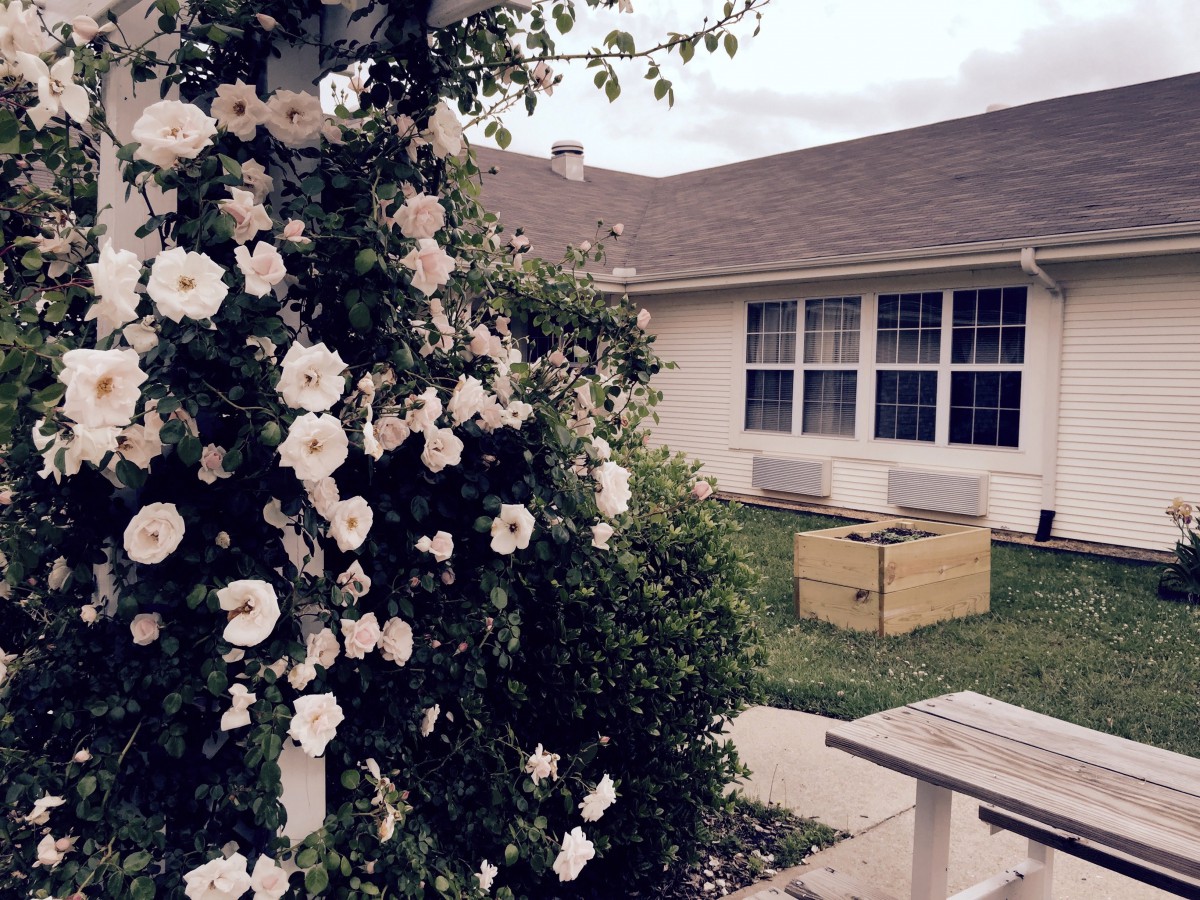
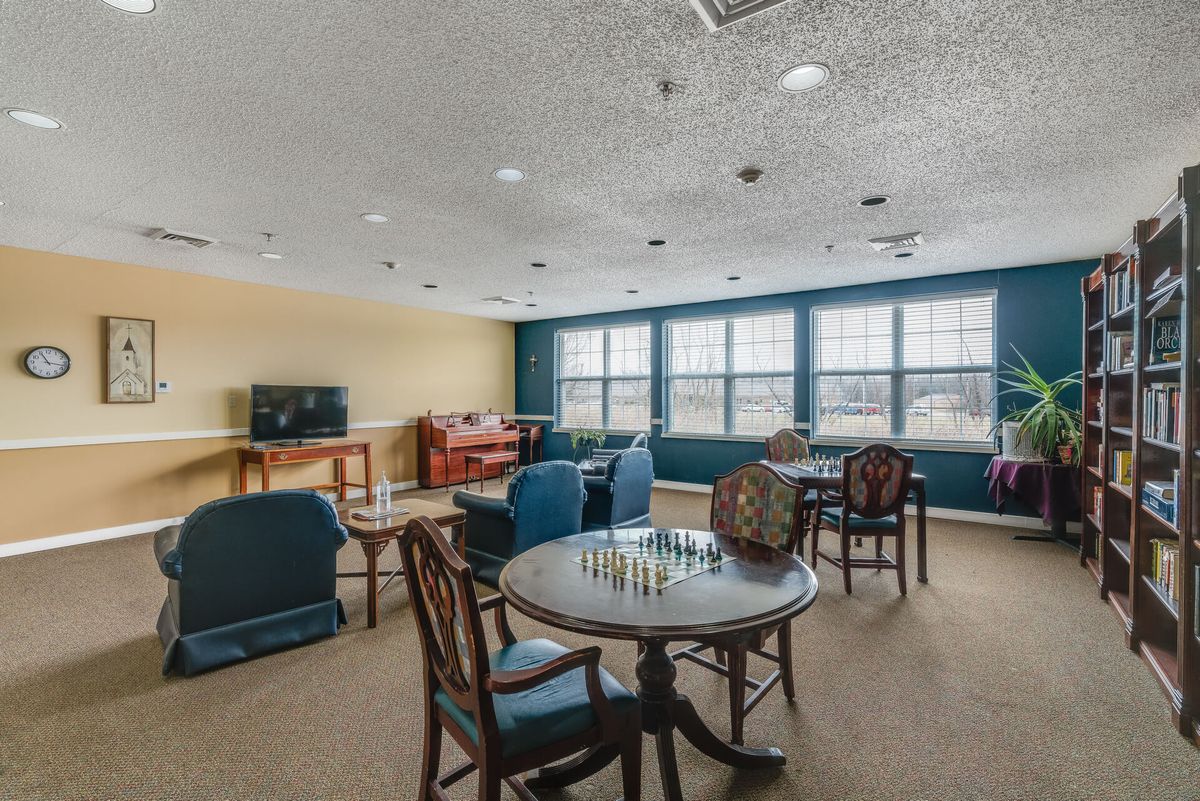
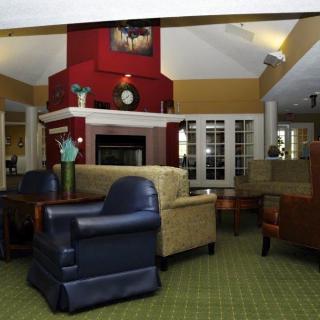
On the bright side, the physical environment earns repeated praise: cleanliness and aesthetic appeal create a welcoming first impression. Visitors describe spaces as cheerful, with a lively vibe that keeps residents engaged. The schedule includes approachable activities, an exercise class, sewing areas, and social rooms with a pool table and a “man cave” for watching sports, elements that support independence and meaningful pastimes. Several encounters with staff were described as “wonderful” and “like family,” signaling a capacity for genuine warmth and personalized attention when operation flows smoothly. These strengths can translate into meaningful daily life for residents who thrive on companionship and routine, especially when visits from loved ones are regular and proactive. Yet the positive notes depend heavily on who is on shift, making expectations important to manage.
Still, a troubling thread runs through multiple accounts: inconsistent responsiveness and respect gaps. One urgent reality cited is the failure to respond to emergency calls promptly, with a resident left needing help while calling front desk repeatedly, ultimately requiring 911 intervention. That kind of experience is not a deviation but a signal about staffing rigor and accountability, and it creates real safety risk for residents who depend on timely help for falls, incontinence, or acute episodes. Elsewhere, another review frames the staff as uncaring or disrespectful, undermining trust and the care relationship. Combined, these issues raise questions about the facility’s ability to protect vulnerable residents consistently, especially during off-hours or busy shifts. These are not minor irritants; they are potential indicators of systemic gaps that families should quantify before committing.
When balanced carefully, the positives can offset some concerns for residents with lower care needs and strong family advocacy. The clean, upbeat environment and varied activities can deliver a rich social life that reduces isolation, a key factor in quality of life for seniors. The presence of resident-friendly amenities, creative spaces, hobby areas, and casual gathering spots, helps maintain dignity and purpose. Where families can supervise, request improved staffing coverage, and set expectations, the lapses in responsiveness may be mitigated, making the model workable for those who do not require constant medical supervision. However, this trade-off favors those prepared to participate in oversight and to intervene when alarms are missed or when respectful, attentive behavior is uneven. For residents with higher acuity, mobility challenges, cognitive needs, or frequent medical interventions, these gaps become more pronounced and less tolerable.
Alternatives should be considered by families whose priority is dependable emergency response and consistently respectful care. Look beyond the glossy lobby to staffing patterns, on-call coverage, and the facility’s responsiveness data. Communities with a track record of rapid response, transparent incident reporting, and steady caregiver-patient rapport may serve higher-acuity residents better, even if they sacrifice some of the exuberant social settings. For those exploring options locally, pursuing a trial period, requiring named caregivers, and requesting a detailed emergency protocol can clarify whether expectations align with reality. If choosing StoneBridge, align with a proactive visitor plan: schedule regular visits at varying times, request direct access to care coordinators, and insist on clear escalation paths when delays occur. This approach reduces risk if the setting remains appealing in other respects.
In making a decision, families should anchor the choice to the resident’s care needs, safety net expectations, and tolerance for administrative gaps. StoneBridge offers a compelling social milieu and a comfortable, clean environment that can support meaningful daily life for active seniors who value community. The strongest case rests with those who can supervise care, ensure timely assistance, and cultivate relationships with staff that translate into consistent attention. For residents who rely on rapid response, or who demand unwavering respect and professional boundaries from every caregiver, alternatives with steadier staffing and clearer accountability may be prudent. When touring, demand concrete metrics: average response time to emergency calls, staff-to-resident ratios across shifts, and examples of incident follow-up. Verify that care plans are personalized and that families know whom to contact for escalation. With clarity on these points, StoneBridge can be a good match for the right resident, but not for every situation.
 60 resident community capacity
 Assisted Living
 Memory Care
 Dogs allowed
 Activities off-site
 Air-conditioning
 Beautician on-site
 Cable or satellite TV
 Computer center
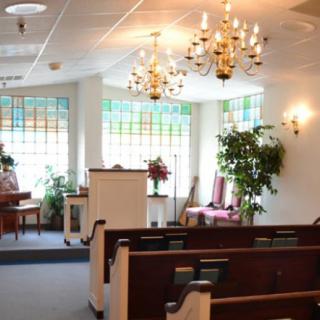
 Devotional services on-site
 Dining room
 Fitness room
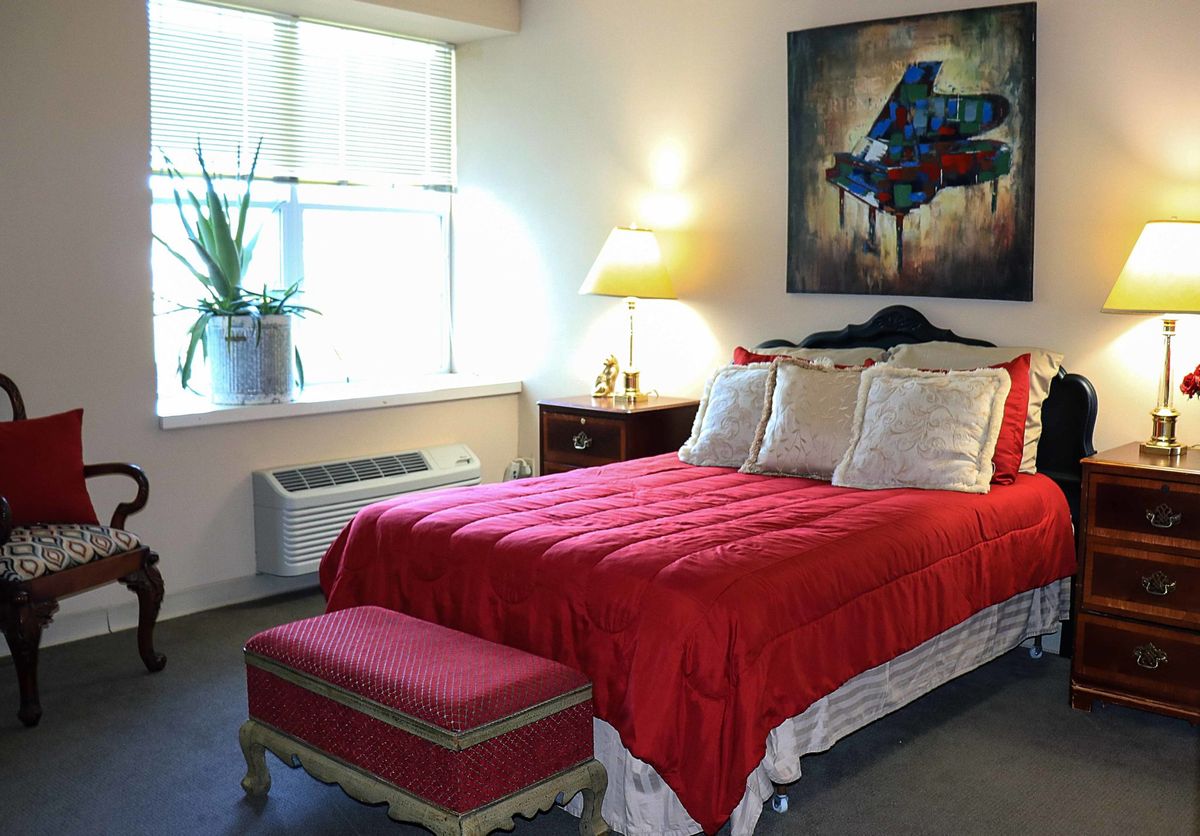
 Fully furnished
 Gaming room
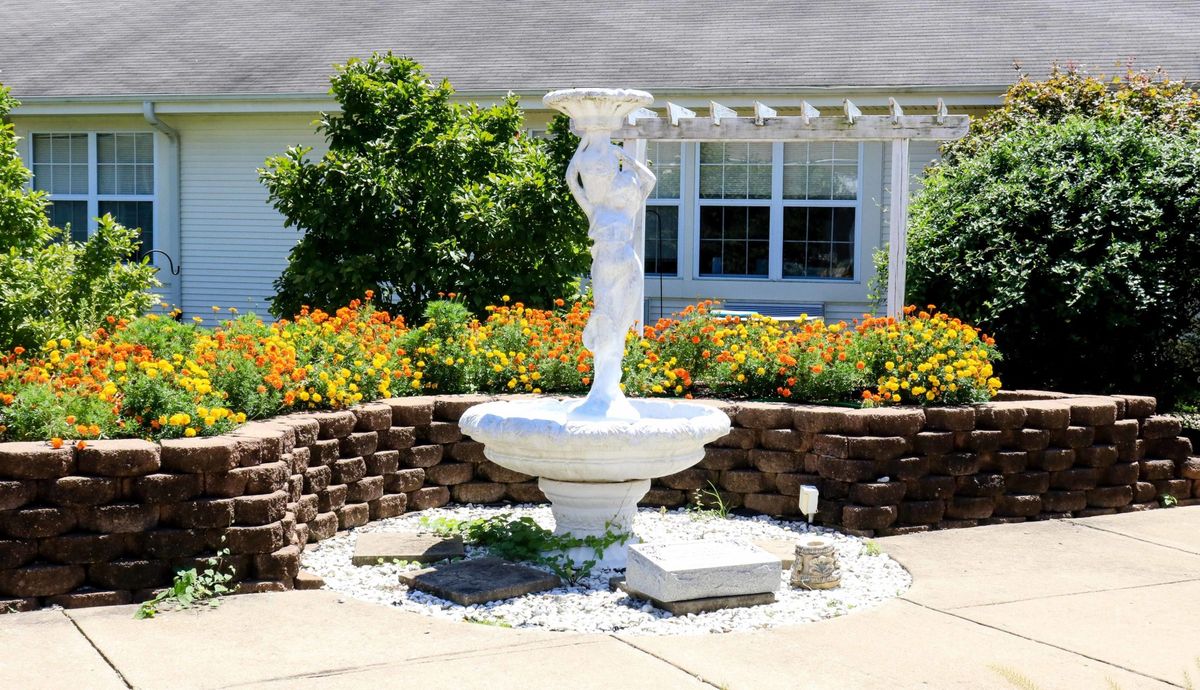
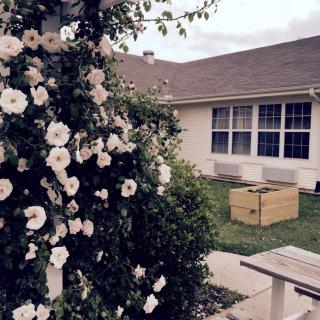
 Garden
 Ground floor units
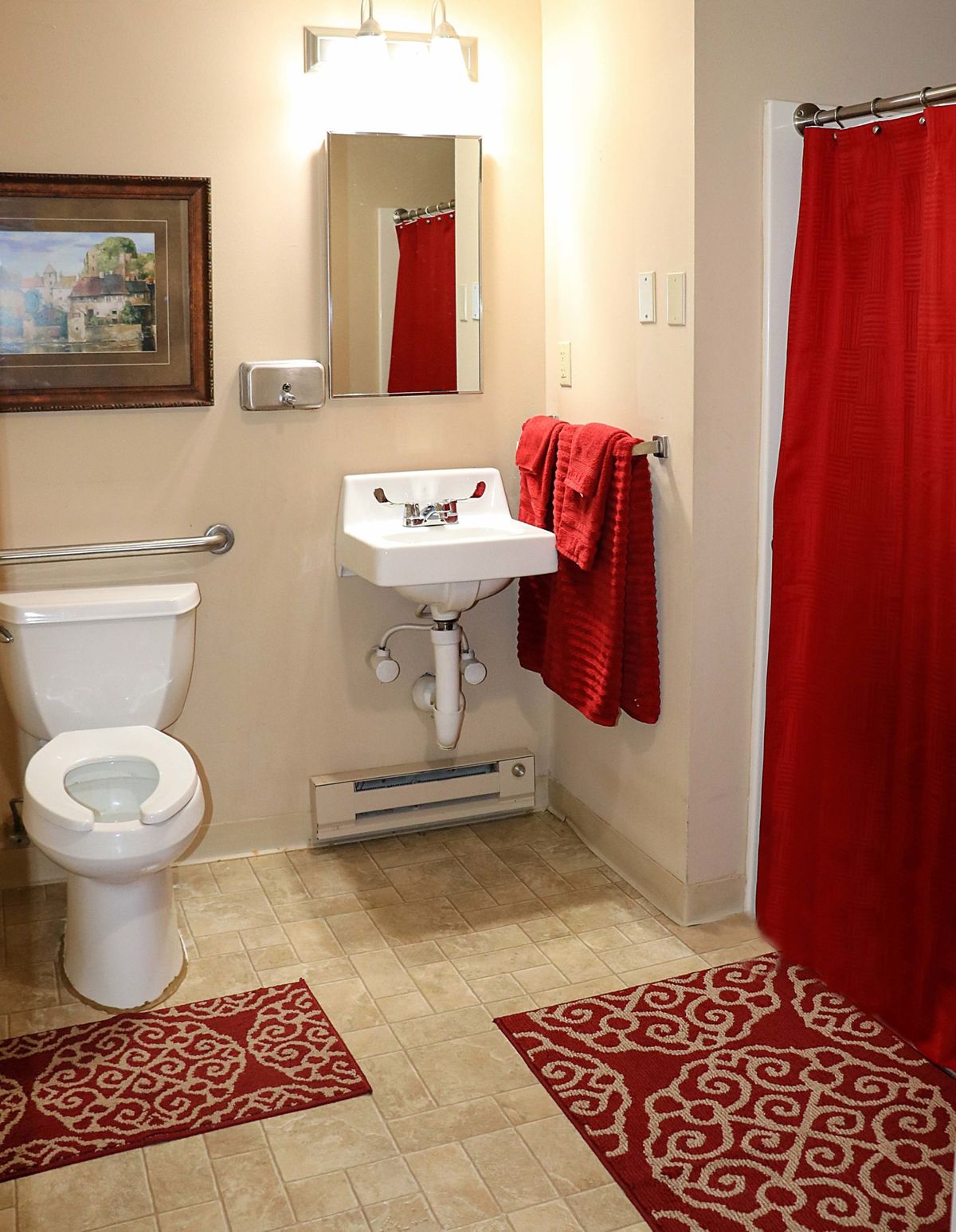
 Handicap accessible
 Housekeeping services
 Indoor common areas
 Kitchenette
 Move-in coordination
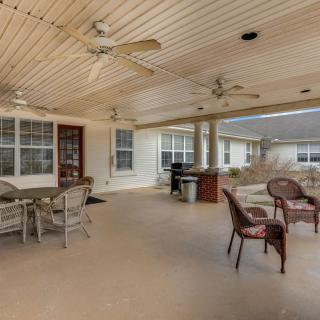
 Outdoor common areas
 Private bathrooms
 Respite or short term stays offered
 Restaurant-style dining
 Small library
 Telephone
 Wellness center
 Wheelchair accessible showers
 Wi-Fi/high-speed internet available
 Community operated transportation
 24-hour call system
 Ambulatory care
 Assistance with bathing
 Assistance with dressing
 Assistance with transfers
 Diabetes diet
 Diabetic care
 Hospice care
 Incontinence care
 Medication management
 Physical therapy
 Special dietary restrictions
 Art classes
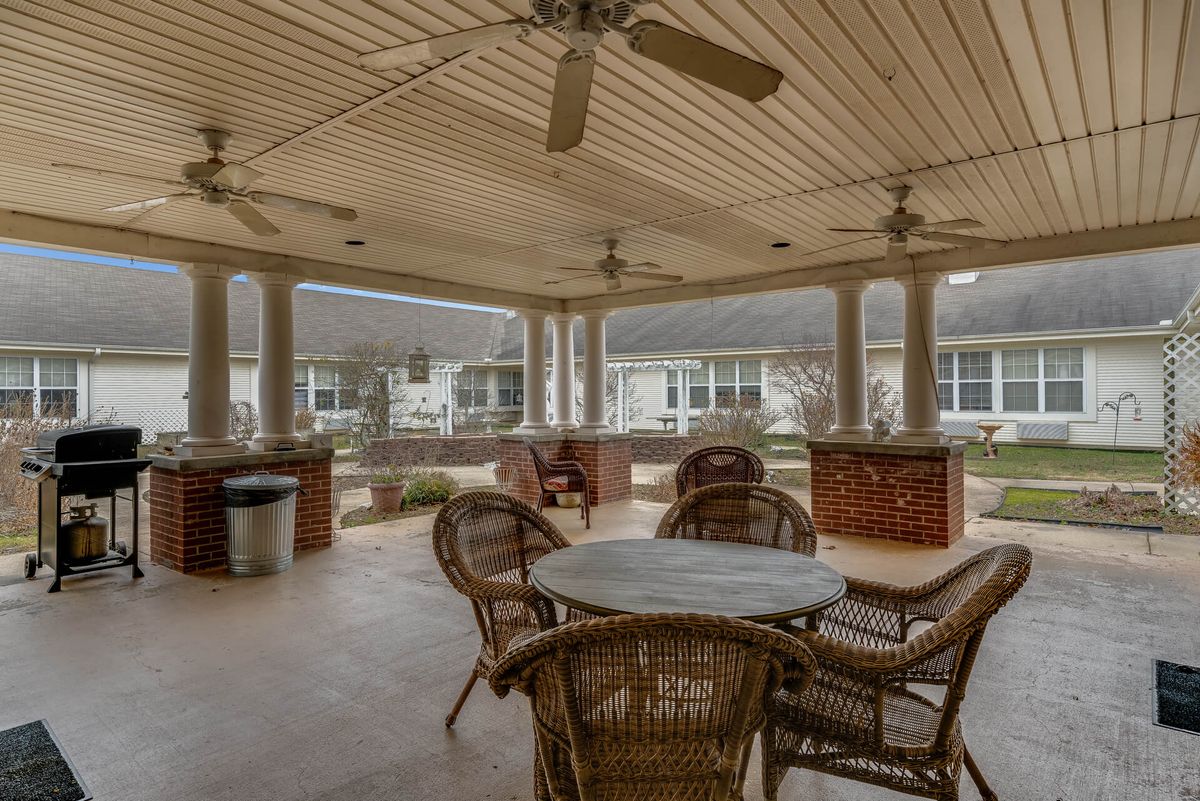
 BBQs or picnics
 Birthday parties
 Concierge services
 Cooking classes
 Day trips and outings
 Games
Games Live musical performances
 Trivia games
 English

 When to Transition from Assisted Living to Memory Care: Key Indicators, Steps, and Finding the Right Community
 Understanding the Distinctions: Assisted Living and Memory Care Explained
 How to Communicate with a Loved One Living with Dementia: 10 Supportive Strategies