

12301 North Camino Del Plata, Tucson, AZ 85755
For more information about senior living options: (866) 208-4318
Saguaro Ranch Luxury Assisted Living Costs & Pricing
Saguaro Ranch Luxury Assisted Living offers a premium level of care, reflected in its pricing structure. The cost for both private and studio rooms at Saguaro Ranch stands at $6,495 per month, significantly higher than the averages for Pima County and the state of Arizona, where private rooms are priced around $3,332 and $3,345 respectively. Similarly, studio accommodations in Saguaro Ranch match this price point of $6,495, contrasting with the county's average of $3,786 and the state's average of $3,829. While these costs may seem elevated compared to local standards, they likely encompass exceptional amenities and comprehensive services that cater to the needs of residents seeking an upscale assisted living experience.
| Floor plans | Saguaro Ranch Luxury Assisted Living | Pima County | Arizona |
|---|---|---|---|
| Private | $6,495 | $3,332 | $3,345 |
| Studio | $6,495 | $3,786 | $3,829 |
Memory care communities with a similar price nearby
-
from -$570 / mo
Brookdale Oro Valley
$5,925 to $7,430 / month4.2 miles away -
from -$855 / mo
Brookdale Tanque Verde
$5,640 to $9,150 / month17.6 miles away -
from -$1000 / mo

Via Elegante Assisted Living at La Cholla
$5,495 / month8.2 miles away
Overall Review of Saguaro Ranch Luxury Assisted Living
Pros
 Amy the Director is extremely conscientious and involved with residents' care.
- All of the caregivers were kind to the residents' mother and made sure she was comfortable.
- The facility is like a home environment, very unique.
- The location is wonderful with a great view of the Catalinas.
- Such a beautiful facility with the most wonderful staff.
- The owner is so calm, and the voice feels like an angel came down from heaven.
- The facility is wonderful, the food is good, and the care is wonderful.
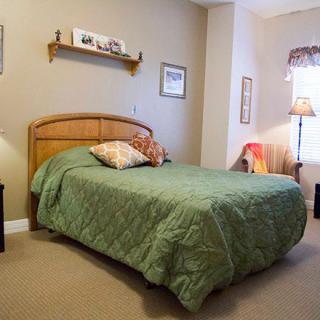
- Her room is spacious and there are 10 rooms with private baths.
- They have various activities, and she’s pretty interactive every day with some kind of project.
Cons
 A friend's mother had a horrible situation because of them.
- The owner will not respond.
Review
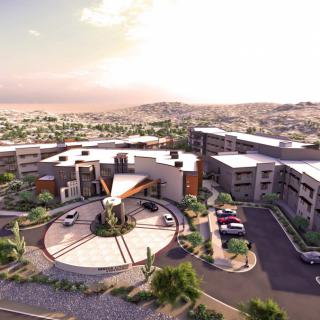
Saguaro Ranch Luxury Assisted Living in Tucson is best suited for seniors who want a tightly run, intimate setting where caregivers know residents by name and routines feel familiar rather than institutional. The facility markets a homelike atmosphere, and the desert backdrop with Catalina views adds a calming, uplifting element to daily life. Families that prize personal attention over volume of programming will find value here, especially those who favor a small-community feel, private rooms, and a caregiver team that can foster steady, hands-on assistance. The goats and chickens on the grounds contribute to a gentle, homegrown vibe that reinforces the sense of belonging in a small, self-contained micro-community. For many, this translates to reliable daily structure, predictable caregiving, and a more personal relationship with staff.
Nonetheless, this community is not the best fit for every senior or family. Alternatives should be considered for higher-acuity needs requiring robust medical oversight, 24/7 nursing coverage, or specialized memory-care programming. The most serious red flags lie in leadership responsiveness; one review cites a call-out about an owner who would not respond, and another notes a similar concern with information flow. For families that require aggressive problem resolution or want a facility with a broader, more formal escalation path, exploring larger campuses or institutions with stronger administrative responsiveness is prudent. Also, if a larger social calendar, more extensive on-site amenities, or a broader scope of therapeutic offerings are priorities, this smaller setting may feel limited.
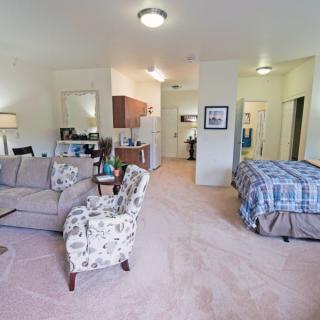
The strongest positives here center on the care relationship and the environment that supports it. Staff are described as caring and attentive, with Amy, the Director, singled out as conscientious and deeply involved in residents’ welfare. The caregiver-to-resident ratio, reported at about five to one, supports meaningful one-on-one interaction and keeps daily tasks, mobilization help, grooming, medication reminders, more consistent than in larger houses. Ten private rooms reinforce a sense of personal space, and the home-like atmosphere prevents the clinical feel that often accompanies larger facilities. The setting also includes appealing daily nuances, the good-quality meals, varied activities, and a community atmosphere that residents seem to enjoy, along with a serene desert landscape that contributes to stability and mood.
The cons, however, are tangible and warrant careful consideration. The most serious risk is governance responsiveness; depending on one’s experience, delays in addressing concerns can undermine trust in care coordination. The mixed reviews, five five-star notes versus two one-star warnings, signal that experiences may vary, and management approach can be decisive in trouble-shooting or resolving issues. The small size, while a strength for intimacy, may also limit the breadth of social or therapeutic programming and reduce the availability of certain specialist services. Reliability hinges on whether the leadership structure remains accessible and proactive, particularly when disputes or urgent concerns arise.
From a decision-making perspective, the balance of pros and cons suggests a clear path: Saguaro Ranch excels for families prioritizing a warm, homey setting with highly attentive, personalized care and a manageable caregiver ratio. It offsets the potential downsides by offering direct access to a conscientious director and a staff culture that prioritizes resident comfort and routine. Yet the caveat about responsiveness means prospective residents should verify administrative channels, escalation procedures, and how concerns are tracked and resolved before committing. A thorough tour combined with candid conversations about incident handling, incident follow-through, and the exact range of services can either reinforce confidence or reveal gaps that merit an alternative.
For families weighing options, the recommended plan is practical and concrete. Schedule a visit and insist on meeting the leadership, not just the front-line staff; ask to review the care plan process, emergency communication, and the protocol for resolving resident concerns. Request a recent sample daily schedule, menu, and activity calendar to see how meaningful engagement is structured. Seek references from current residents or families, and verify the availability of private rooms, baths, and continuity of care as needs evolve. Compare with at least one larger facility in the same area that offers similar care with broader medical oversight, and weigh total cost against anticipated quality of life improvements. If an intimate, attentive, home-like environment with consistent personal attention is the priority, Saguaro Ranch stands out as a strong candidate, provided leadership responsiveness is demonstrably reliable.
 10 resident community capacity
 Assisted Living
 Board and Care Home
 Memory Care
 Respite Care
 Cable or satellite TV
 Dining room
 Fully furnished
 Garden
 Housekeeping services
 Move-in coordination
 Outdoor space
 Private
 Telephone
 Wi-Fi/high-speed internet available
 Tucson International (22 miles away)
 24-hour supervision
 Activities of daily living assistance
 Assistance with bathing
 Assistance with dressing
 Assistance with transfers
 Diabetes diet
 Diabetic care
 Incontinence care
 Meal preparation and service
 Medication management
 Special dietary restrictions
 Transportation arrangement (medical)
 Transportation to doctors appointments
 English
 22 Remarkable Caregiver Support Groups Available Online and In-Person
 Understanding Medicaid Coverage for Assisted Living: A Comprehensive Guide
 How and When Medicaid May Cover Assisted Living Costs