
16118 North 168Th Lane, Surprise, AZ 85388
For more information about senior living options: (866) 208-4318
Overall Review of Sunset Adult Family Home
Pros
 The owners, James and Christina, are praised for their welcoming approach.
- The transition from Independent Living to Adult Care Home is described as easy.
- The facility is noted for a clean atmosphere.
- The meals are described as home-cooked.
- The caregivers are described as loving and available 24 hours a day.
- It is presented as a safe haven for loved ones.
Cons
 The facility has only one caregiver for ten patients, which is inadequate.
- A family member had to bathe herself because there was no one to help her.
- Residents reportedly eat only a cup of soup all day.
- The reviewer asserts that the facility is making a lot of money while not providing the care people need.
- The reviewer warns others to observe the care and not be afraid to speak up about treatment.
Review
Sunset Adult Family Home in Surprise, AZ is best suited for families seeking an intimate, home-like assisted living option where care feels personal and visible. The model hinges on two owners, James and Christina, who are repeatedly described as the welcoming face of the operation, with around-the-clock caregivers backing their hands-on approach. For residents moving from independent living into assisted care, the setting offers a smooth transition: a warm welcome, a clean, domestic atmosphere, and routines that resemble a small household more than a medical facility. This place works best for those who value belonging and daily attentiveness over clinical breadth, and for families that are comfortable prioritizing close, ongoing access to the people delivering care.
That said, this community is not the right fit for everyone. Alternatives should be considered if a resident requires robust, constant supervision or specialized medical oversight, or if memory-care needs involve high risk of wandering or agitation. One family’s blunt experience highlights a real concern: a single caregiver for ten patients at times, with instances of residents needing to manage personal care largely on their own, and meals that felt insufficient to some. While other families praised the personal touch, potential residents with higher care demands or limited tolerance for staffing gaps may find this model insufficient. Prospective residents must weigh a preference for a tiny, domestic feel against the safety net expected from a larger, more staffed operation.
On the positive side, the strongest advantages are tangible and consistent. Families note a clean environment, home-cooked meals, and caregivers who are available around the clock, contributing to a sense of safety and daily stability. The owners’ hands-on involvement is repeatedly cited as a cornerstone of the experience, helping residents settle in quickly and feel like part of a household rather than a patient in a facility. The staff’s warmth and the perceived security of a smaller, family-run setting can translate into meaningful quality-of-life gains for residents who do not require intense medical interventions but value reliable, personable care and easy communication with leadership.
Where the mix tilts toward caution is staffing reality. The most serious caveat centers on how many residents can be reasonably supervised at any given moment. If a resident needs frequent assistance with bathing, dressing, or mobility, or if there are multiple daily tasks requiring hands-on help, the current staffing model can become stretched. Financial expectations also come into play; one review implied that the cost may be high relative to the level of care some families felt was delivered, fueling frustration about value. These factors do not negate the warmth and suitability for the right resident, but they do limit Sunset’s appeal to those who require consistent, high-touch support across the day and night.
The key question becomes whether the pros can adequately offset the cons in a given situation. For residents who prize a homey atmosphere, direct access to conscientious owners, and dependable daily routines, Sunset’s strengths often outweigh the drawbacks, especially when family involvement is possible and frequent. The intimate setting invites strong relationships with caregivers, and the 24-hour presence can deliver a tangible sense of reassurance that larger facilities may struggle to match. However, the same strengths become liabilities if staffing strains surface when more help is needed, or if financial expectations clash with perceived care outcomes. In other words, this is a match for households that can tolerate some variability in care intensity in exchange for genuine, personalized attention.
Bottom line: Sunset Adult Family Home offers a compelling option for families seeking a small, domestic environment where owners lead with warmth and caregivers provide around-the-clock support. It excels for residents who thrive on personal connections, routine, and a cozy, non-clinical ambiance. It will raise red flags for those requiring steady, high-level assistance, or for families that cannot tolerate potential staffing gaps or ambiguous value in daily care. For families evaluating this community, the prudent path is to visit multiple times, observe shift staffing, speak directly with the caregivers, and scrutinize contracts for what is guaranteed versus what is discretionary. If the resident’s needs align with a home-style setting and enough daily support can be secured, Sunset can be a strong choice; if not, exploring larger or more medically equipped options is warranted.
 6 resident community capacity
 Assisted Living
 Board and Care Home
 Cable or satellite TV
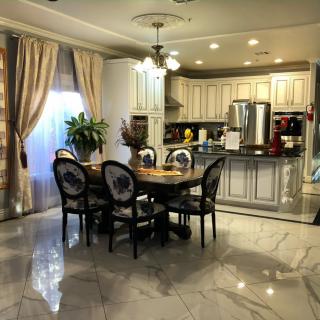
 Dining room
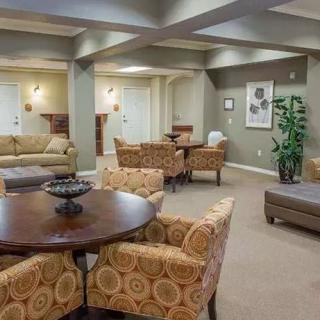
 Fully furnished
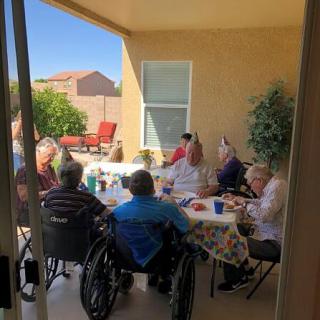
 Garden
 Housekeeping services
 Move-in coordination
 Outdoor space
 Telephone
 Wi-Fi/high-speed internet available
 24-hour supervision
 Activities of daily living assistance
 Assistance with bathing
 Assistance with dressing
 Assistance with transfers
 Diabetes diet
 Meal preparation and service
 Medication management
 Special dietary restrictions
 Transportation arrangement (medical)
 Transportation to doctors appointments





 Social Security Benefits and Assisted Living: Navigating Options Across the U.S.
 An Extensive Exploration of the VA Aid and Attendance Benefit
 Senior Transition Services: Understanding Their Role, Cost, and Importance