
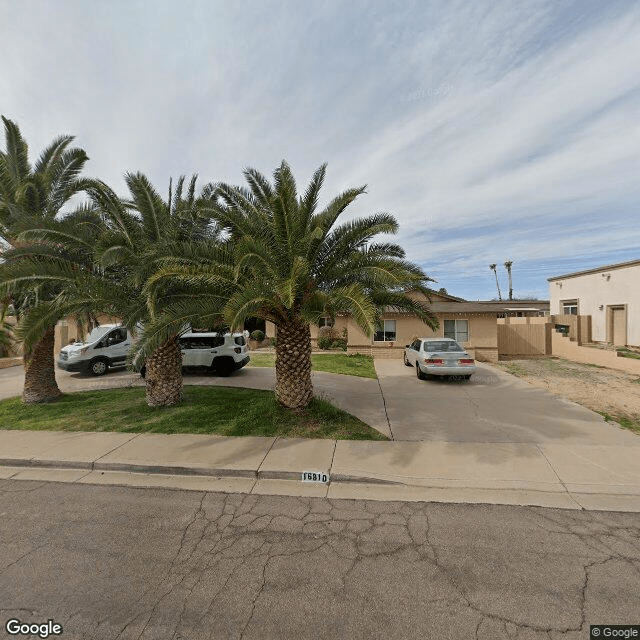
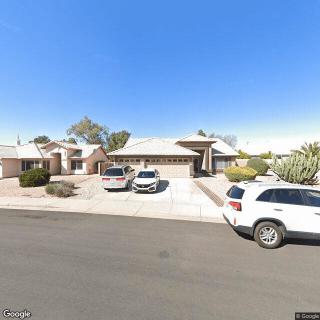
16810 N. 66th St., Scottsdale, AZ 85254
To contact a resident: (480) 596-0508
For more information about senior living options: (866) 208-4318
Eternity ALH Costs & Pricing
Eternity ALH offers competitive pricing for its private rooms at $3,000 per month, positioning it as an attractive option for prospective residents compared to the broader market in Maricopa County and the state of Arizona. In comparison, the average cost for similar accommodations in Maricopa County stands at $3,318, while the statewide average reaches $3,345. This favorable pricing reflects Eternity ALH's commitment to providing quality care and comfortable living environments without compromising affordability, making it a compelling choice for families seeking supportive assisted living solutions.
| Floor plans | Eternity ALH | Maricopa County | Arizona |
|---|---|---|---|
| Private | $3,000 | $3,318 | $3,345 |
Assisted Living communities with a similar price nearby
-
from -$200 / mo
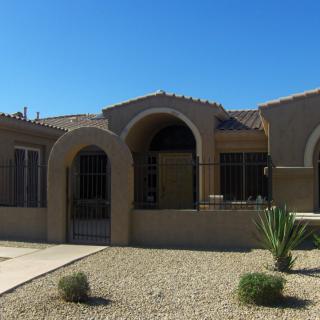
Pinnacle Peak Assisted Living
$2,800 to $3,100 / month4.4 miles away -
from -$375 / mo

The Eldercare Home Of Tempe
$2,625 to $3,412 / month18.2 miles away -
from -$100 / mo
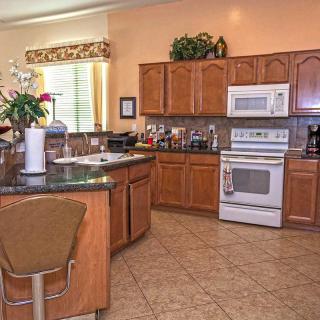
Royal Paradise Care
$2,900 to $3,800 / month23.7 miles away -
About the same
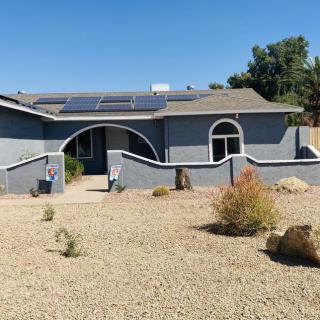
Bella Amore Assisted Living
$3,000 / month11.6 miles away -
from -$500 / mo
Bella Vista Assisted Living Home
$2,500 to $3,000 / month22.7 miles away
Overall Review of Eternity ALH
Pros
 Denisa and Sergiu were fantastic carers.
- The on-site caretakers were fantastic as well.
- He always had fresh meals, one-on-one attention, and people who cared about his physical, emotional, and spiritual well-being.
- Senior Valley is a really special place.
- The sister receives very good care, good food, and a very clean environment.
- The caregivers E-KAH and Alex live on premises and are really nice.
- The home is in a nice area near FLW and Scottsdale Rd.
- The caregivers appear to be kind and considerate.
Cons
 There were minor violations in 2012.
- One caregiver did not have fingerprints on file with DPS.
- One caregiver did not have documents on site pertaining to a TB test.
Review
This Scottsdale community is best suited for families seeking a small, home-like setting where care feels personal, consistent, and emotionally attentive. It suits seniors who prize daily one-on-one interaction, freshly prepared meals, and staff who appear genuinely invested in physical, emotional, and spiritual well-being. The emphasis on a clean, calm environment in a residential-style home will resonate with families who value steady, visible caregiver presence and a neighborhood-friendly location. It is not the right fit for those who require high-acuity medical management, complex memory-care programming, or a larger campus with formalized clinical teams.
For families weighing alternatives, the strongest caveat is that this model may fall short for residents with intensive medical needs or those seeking highly structured memory-care programs. A larger facility with an expansive nursing staff, more comprehensive clinical oversight, and dedicated memory care wings can offer the level of medical monitoring that some seniors require. Additionally, because the available feedback comes from a small number of reviews, there is less breadth to gauge consistency across staff, programs, and long-term resident outcomes. Prospective buyers should verify current licensing status and review recent inspection reports to confirm continued compliance.
The reported positives are palpable enough to tilt decisions toward a residence that prioritizes continuity, warmth, and daily companionship. Families recount fresh meals, attentive, individualized care, and a clean, well-kept environment. The most compelling takeaway is a sense that caregivers invest in the whole person, physically, emotionally, and spiritually, rather than treating care as a checklist. The on-site presence of caregivers, often described as dedicated and approachable, can translate into more reliable daily routines, timely assistance, and faster response times. When peace of mind hinges on knowing someone is looking in on a loved one, these attributes matter a great deal.
On the downside, the limited review pool means one cannot fully map staff consistency, turnover, or the full range of daily activities across a full year. A few historical points about compliance surfaced in the past, suggesting an extra diligence step: confirm there are no current violations and request the latest safety and licensing records. Because the operation appears to be small and residential in character, there is a real risk that staffing changes or gaps in services could arise if the team scales or if any key providers leave. Families should inquire directly about staff-to-resident ratios, back-up staffing plans, and how medical emergencies are handled.
When the positives are weighed against these caveats, the decision overwhelmingly tilts toward choosing this community for families prioritizing intimacy, steady caregiver presence, and a homey atmosphere. The on-site caregiving model can offset the lack of institutional scale by delivering more meaningful daily interactions, faster responsiveness, and greater resident validation. Fresh meals and a clean, comfortable setting amplify the sense of safety and daily quality of life. For families who value this approach, where staff know residents well and can tailor care to evolving needs, the pros align well with long-term peace of mind.
The practical conclusion is clear: this is a strong fit for seniors who thrive on a calm, personal, and resident-centered experience and for families who prefer frequent, visible caregiver engagement over clinical breadth. It is less suitable for those who require advanced medical supervision, specialized memory programming, or robust, campus-style amenities. The next steps are straightforward: arrange a visit, meet the caregiving team if possible, request current inspection and licensing documentation, and ask about how care plans are developed and updated as needs change. A candid tour will confirm whether the resident’s daily rhythm, meals, activity, supervision, and social connection, matches the family’s expectations and the senior’s lifestyle.
 10 resident community capacity
 Assisted Living
 Board and Care Home
 Respite Care
 Cats allowed
 Dogs allowed
 Cable or satellite TV
 Dining room
 Fully furnished
 Garden
 Housekeeping services
 Move-in coordination
 Outdoor space
 Private
 Telephone
 Wi-Fi/high-speed internet available
 Phoenix Sky Harbor International (15 miles away)
 24-hour supervision
 Activities of daily living assistance
 Assistance with bathing
 Assistance with dressing
 Assistance with transfers
 Diabetes diet
 Diabetic care
 Meal preparation and service
 Medication management
 Special dietary restrictions
 Transportation arrangement (medical)
 Transportation to doctors appointments


 Funding and Affording Assisted Living: A Thorough Overview
 Assisted Living Expenses and Long-Term Care Insurance: A Comprehensive Exploration
 Securing Financial Support for Assisted Living: A Comprehensive Overview