For more information about senior living options: (866) 208-4318
4.9 from 39 reviews
5 stars
38
4 stars
0
3 stars
0
2 stars
1
1 stars
0
PV Nurses's Touch Costs & Pricing
PV Nurses's Touch offers competitive pricing for its services compared to the broader market in Maricopa County and across Arizona. For a semi-private room, the cost is $2,000 per month, which is significantly lower than the county average of $2,801 and the state average of $2,820. Similarly, for a private room, PV Nurses's Touch charges $2,500 per month, again positioning itself favorably against the county rate of $3,318 and the state rate of $3,345. These rates reflect a commitment to affordability without compromising on quality care, making PV Nurses's Touch an appealing option for those seeking nursing services in the region.
Floor plans
PV Nurses's Touch
Maricopa County
Arizona
Semi-Private
$2,000
$2,801
$2,820
Private
$2,500
$3,318
$3,345
Senior living communities with a similar price nearby
About the same
Home Instead - Fountain Hills, AZ
5 from 98 reviews
$1,945 to $3,525 / month
14.7 miles away
from -$139 / mo
Endeavor Senior In-Home - Mesa
5 from 77 reviews
$1,861 / month
17.2 miles away
About the same
Garcia's Assisted Living Home LLC
5 from 38 reviews
$2,000 / month
12.7 miles away
About the same
Santo Nino Villas 2
5 from 25 reviews
$2,000 to $2,300 / month
22.7 miles away
About the same
Martha Bonilla Care Loving Home
5 from 20 reviews
$2,000 to $2,200 / month
16.9 miles away
Overall Review of PV Nurses's Touch
common33 reviews mention this
Care feels compassionate and responsive
Residents describe nurses who are consistently kind, attentive, and responsive during care.
Across the reviews, people repeatedly mention nurses who feel genuinely caring and compassionate. Many also describe the staff as attentive and quick to help, including checking in during recovery and making patients and families feel at ease. A small number of reviews are negative about changing standards, but most feedback focuses on helpful, respectful support throughout the care period.
common6 reviews mention this
Recovery and wound care support
Residents describe strong hands-on help for post-op and wound-related needs.
Several reviews focus on recovery support after surgery, including wound care and assistance with day-to-day tasks during healing. People mention dressing changes, vitals checks, and help with mobility or comfort measures at home. Others highlight that nurses assess needs well and help make the next-day and ongoing recovery feel more manageable.
differentiator7 reviews mention this
Medication and care education
Residents describe nurses who spend time teaching and coordinating medications and treatment timing.
Many reviewers mention medication-related help, including writing down medication schedules and reviewing how to manage doses safely. Families also describe coordination support such as aligning medications after transitions from hospital and updating recovery treatment based on follow-up information. Several reviews add education elements—explaining care steps, checking vitals, and teaching what to watch for—so families feel prepared at home.
common2 reviews mention this
Hospice support and overnight shifts
Residents describe hospice-related care that includes ongoing support at home.
Two reviews specifically mention hospice care at home, with nurses providing help during difficult overnight periods. Reviewers describe how the team supported both the patient and the family, including hands-on medical assistance and emotional reassurance. The emphasis in these accounts is on staying present and helping the family manage care at home.
How we summarize
Counts show how many written reviews mention each theme; a review can touch several themes, and only frequently mentioned themes are displayed.
Features
Types of Care
Board and Care Home
Pets
Cats allowed
Dogs allowed
Amenities
Private
Respite or short term stays offered
Transportation
Phoenix Sky Harbor International (11 miles away)
Care Services
Diabetic care
Nearby Places of Interest
This part of Phoenix, Arizona, offers a mix of convenient amenities and leisure options for seniors looking to relocate. With a variety of physicians, pharmacies, and hospitals within a short distance, access to healthcare is easily accessible. Additionally, there are several cafes and restaurants nearby for dining out or grabbing a coffee with friends. For those who enjoy outdoor activities, parks such as Desert Horizon Park and Phoenix Mountain Preserve provide opportunities for leisurely strolls or picnics. Places of worship are also readily available in the area for spiritual support and community involvement. Transportation options like the Scottsdale Municipal Airport and Enterprise Rent-A-Car make travel convenient when needed. Furthermore, entertainment options such as theaters like Harkins Theatres Scottsdale offer opportunities for cultural enrichment. Overall, this part of Phoenix offers a well-rounded living environment with a good balance of healthcare services, recreational activities, and amenities suitable for senior living.
Physicians
Elite Plastic Surgery (0.4 miles)
Aoc (0.4 miles)
Wyse, Mark Family Practice Specialists Limited (0.4 miles)
Camelback Women's Health (0.4 miles)
Care MD (1.6 miles)
2nd Chance Treatment Center (3.5 miles)
NOAH Palomino Health Center (4.2 miles)
Pharmacies
Fry's Pharmacy (0.6 miles)
CVS Pharmacy (0.8 miles)
Walgreens (1.8 miles)
Walgreens (2.7 miles)
Walgreens (3.1 miles)
CVS Pharmacy (3.4 miles)
Walgreens (3.5 miles)
Restaurants
Elevate Wine and Cheese Bar (0.6 miles)
In-N-Out Burger (0.8 miles)
Birdcall (3.4 miles)
Taco Bell (3.7 miles)
McDonald's (3.7 miles)
Mastro's Ocean Club (3.9 miles)
The Cheesecake Factory (4.2 miles)
Cafes
Press Coffee - The Roastery (1.7 miles)
Dutch Bros Coffee (4.1 miles)
Starbucks (4.1 miles)
Butters Pancakes & Cafe (5.4 miles)
Dutch Bros Coffee (5.7 miles)
Panera Bread (5.7 miles)
Dutch Bros Coffee (5.7 miles)
Parks
Desert Horizon Park (3.2 miles)
Phoenix Mountain Preserve (4.3 miles)
Kierland Park (4.5 miles)
Sun Devil Ridge Park (6.1 miles)
Places of Worship
Impact Church (3.7 miles)
St Bernadette Catholic Church (3.7 miles)
Christ Church of the Ascension (4 miles)
New Vision Center for Spiritual Living (4.3 miles)
PV Nurses's Touch offers competitive pricing for its services compared to the broader market in Maricopa County and across Arizona. For a semi-private room, the cost is $2,000 per month, which is significantly lower than the county average of $2,801 and the state average of $2,820. Similarly, for a private room, PV Nurses's Touch charges $2,500 per month, again positioning itself favorably against the county rate of $3,318 and the state rate of $3,345. These rates reflect a commitment to affordability without compromising on quality care, making PV Nurses's Touch an appealing option for those seeking nursing services in the region.
Home health nursing is an expanding field where licensed professionals provide specialized medical care in patients' homes, addressing the needs of an aging population through personalized services like assessments and medication management. Effective collaboration with healthcare teams, cultural sensitivity, and quality assurance measures are essential for fostering trust and ensuring positive patient outcomes.
Medicare covers in-home health care services, which are medical and provided by licensed professionals under a physician's supervision, whereas non-medical personal assistance is generally not covered unless part of a broader skilled care plan. Eligibility for benefits depends on being homebound and needing intermittent skilled services from a Medicare-certified agency, with specific coverage limitations and additional resources available for navigating options.
In-home care is increasingly sought after by older adults for maintaining independence, with average private home care rates in 2025 varying by state and service type, reflecting geographical and local labor market influences. As demand rises, families are considering funding options like Medicaid waivers and long-term care insurance to manage costs effectively while ensuring quality care.
Get PricingAsk A QuestionSchedule A TourContact Senior Advisor
By clicking submit, you agree to our Partner's Terms of Use. You
also consent to receive calls and texts, which may be autodialed, from our Partner. Your consent is not a condition to
using our Partner's service. Please visit our Partner's Privacy Policy for information about their privacy practices.



 Board and Care Home
 Cats allowed
 Dogs allowed
 Private
 Respite or short term stays offered
 Phoenix Sky Harbor International (11 miles away)
 Diabetic care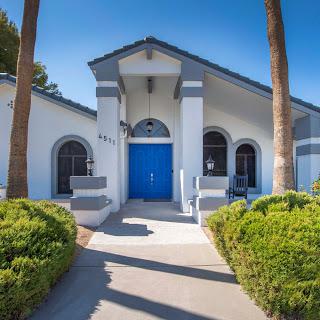
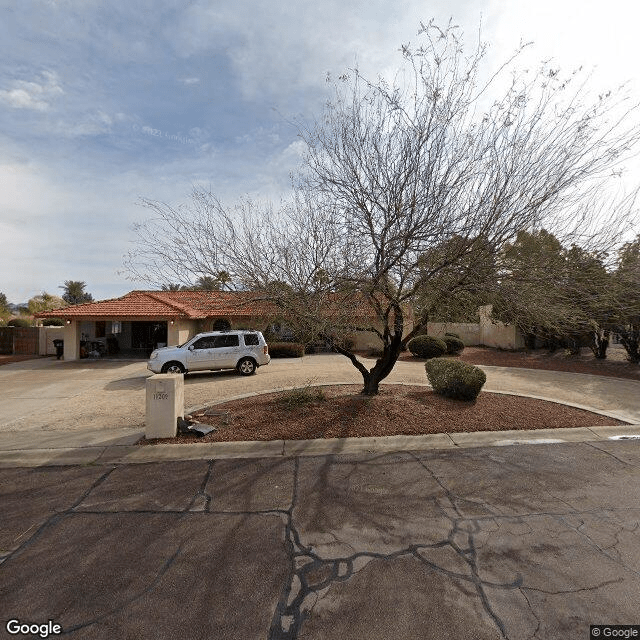
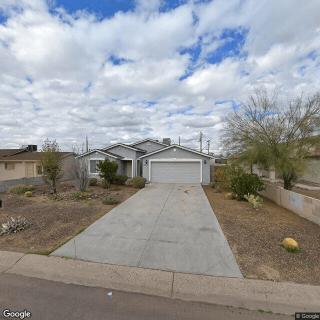
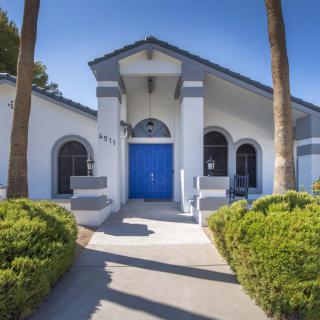
 Small, intimate community (10 beds) with comprehensive care (24-hour supervision, ADL support, meds management) and convenient amenities.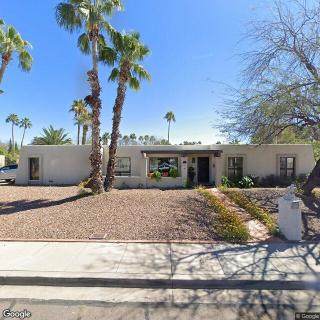

 Exploring the World of Home Health Nurses: Qualifications, Roles, and Hiring Tips
 Navigating Medicare Coverage for In-Home Care Services
 In-Home Care Costs in 2025: A Detailed State-by-State Exploration