
625 East Paradise Lane, Phoenix, AZ 85022
For more information about senior living options: (866) 208-4318
Paradise Home In Phoenix Costs & Pricing
Paradise Home in Phoenix offers private room accommodations at a monthly cost of $6,000, which is significantly higher than the average costs in both Maricopa County and the broader state of Arizona. In Maricopa County, the average monthly expense for similar housing is approximately $3,318, while the state average stands at around $3,345. This disparity suggests that Paradise Home provides enhanced services or amenities that may justify the premium pricing. Potential residents and their families should consider these factors when evaluating care options against regional standards to ensure they find a suitable match for their needs and preferences.
| Floor plans | Paradise Home In Phoenix | Maricopa County | Arizona |
|---|---|---|---|
| Private | $6,000 | $3,318 | $3,345 |
Assisted Living communities with a similar price nearby
-
from -$1000 / mo
American Dream Home
$5,000 / month6.0 miles away -
About the same

Lincoln Residential Assisted Living
$6,000 / month8.6 miles away -
from -$1105 / mo

Clarendale Arcadia
$4,895 to $8,790 / month9.1 miles away -
from -$500 / mo
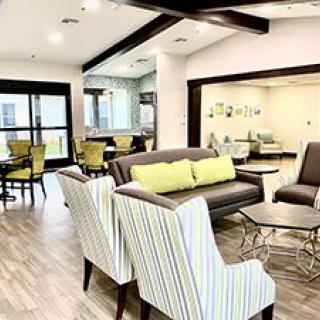
Fairmont Village
$5,500 to $6,500 / month10.1 miles away -
from -$500 / mo
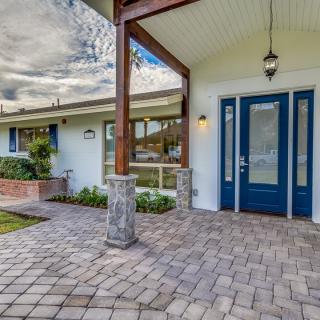
Vista Living Arcadia
$5,500 / month11.2 miles away
Overall Review of Paradise Home In Phoenix
Pros
 The staff were genuinely kind, and the facility was beautiful.
- The staff and caretakers always loved the father during his nearly three years there.
- The arrangement gave the family comfort and peace of mind.
- Paradise Valley Living Centers (PLC) was a godsend for the family.
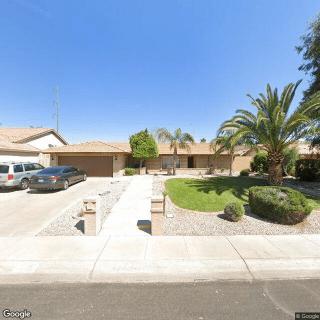
- The facility was clean, with friendly and kind staff, and the backyard was beautiful.
- The father wanted to stay after two weeks, showing he felt at home.
- The family would heartily recommend PLC.
- Janet Moore's years of service as a teacher funded the care, and she notes that it is a very nice place to live.
Cons
 The family described the search for a new home as an agonizing process.
- Most of the places they toured seemed impersonal and not really a home.
Review
Paradise Home in Phoenix is best suited for families seeking a warm, home-like setting where a loved one can receive genuinely attentive, Relationship-driven care. The reviews describe a place that feels less like a facility and more like a family to the resident and the family. Key strengths center on the staff’s kindness, the cleanliness of the environment, and a tranquil, inviting atmosphere, complete with a well-kept outdoor space that contributes to a sense of normalcy and comfort. The evidence across stories shows dementia care that emphasizes daily reassurance, personalized attention, and a simple, steady rhythm of life. For families confronting difficult transitions, this combination can translate into tangible peace of mind, a crucial factor when choosing a living arrangement for someone with memory impairment.
That said, the community is not a one-size-fits-all solution. Families needing extensive medical oversight, a large campus, or a formal, regimented schedule with broad clinical programming may want to consider alternatives. The intimate, home-like scale may not deliver the breadth of on-site specialists or the depth of programming found in larger assisted living communities or dedicated memory-care campuses. For those whose priority is frequent access to multiple clinicians, scheduled in-house therapy, or a wider array of daily activities designed by a large care team, other options could better align with expectations and needs.
The strongest positives, staff warmth, a sense of being truly valued, and consistent, loving care, do not merely offset potential concerns, they redefine them. In dementia care, the emotional climate heavily influences daily well-being. Families repeatedly note that staff treat residents as family and that the resident quickly adopts a “home” mindset: wanting to stay, feeling at ease, and showing less resistance to care routines. Such outcomes reduce family anxiety about safety and daily supervision, and they often correlate with steadier behaviors, fewer relocation triggers, and longer, more stable placements. Cleanliness and a pleasant, domestic atmosphere further reinforce a reassuring environment where loved ones can visit with confidence.
Another notable strength is the sense of continuity and community. Long-tenured residents and engaged families describe a setting where caregivers are not interchangeable strangers but familiar, dependable figures who earn trust over time. One review highlights a resident’s own appreciation of the back yard and the overall aesthetic, while another example emphasizes how the staff’s affection translates into a sense of belonging for the entire family. This combination, stability, warmth, and a feeling of “family”, is often the deciding factor for families who want to minimize disruption and preserve dignity as memory care needs evolve.
From a decision-making standpoint, Paradise Home in Phoenix represents a compelling choice for those prioritizing emotional safety and connection over institutional scale. The available narratives suggest a strong fit for individuals who respond well to a nurturing, small-community environment where care staff know residents deeply, celebrate small milestones, and help families feel integrated rather than adrift. If the aim is to avoid impersonal care experiences and to maximize tranquility and relational warmth in daily living, this community delivers in spades.
For households evaluating options, the practical next step is to map priorities against what Paradise offers. If personal connection, staff devotion, and a residential feel top the list, Paradise Home should be prioritized and visited to confirm fit. If the decision hinges on access to a broad suite of clinical services, specialty memory programs, or a large, activity-rich campus, it makes sense to explore alternatives with more formal programming and a larger professional footprint. The right choice will align a loved one’s care needs with a setting that reduces stress for the family while preserving dignity, independence where possible, and a sense of belonging.
 10 resident community capacity
 Assisted Living
 Cable or satellite TV
 Dining room
 Fully furnished
 Garden
 Housekeeping services
 Move-in coordination
 Outdoor space
 Telephone
 Wi-Fi/high-speed internet available
 Phoenix Sky Harbor International (14 miles away)
 24-hour supervision
 Activities of daily living assistance
 Assistance with bathing
 Assistance with dressing
 Assistance with transfers
 Diabetes diet
 Meal preparation and service
 Medication management
 Special dietary restrictions
 Transportation arrangement (medical)
 Transportation to doctors appointments



 Assisted Living Support for Veterans: A Complete and Detailed Overview
 Exploring the Contrasts Between Assisted Living and Skilled Nursing
 8 Key Indicators That Suggest It May Be Time to Transition from Assisted Living to Skilled Nursing Care