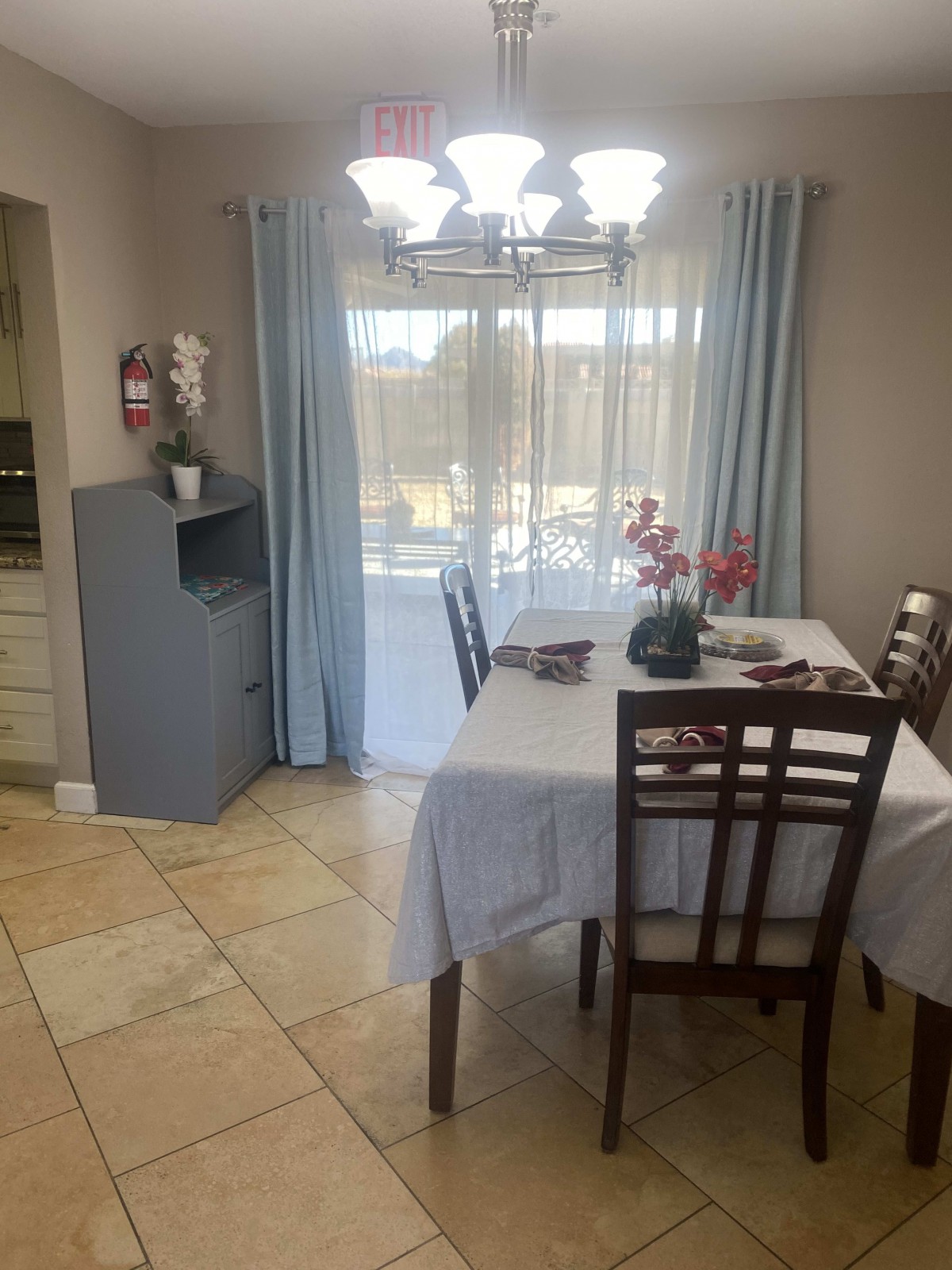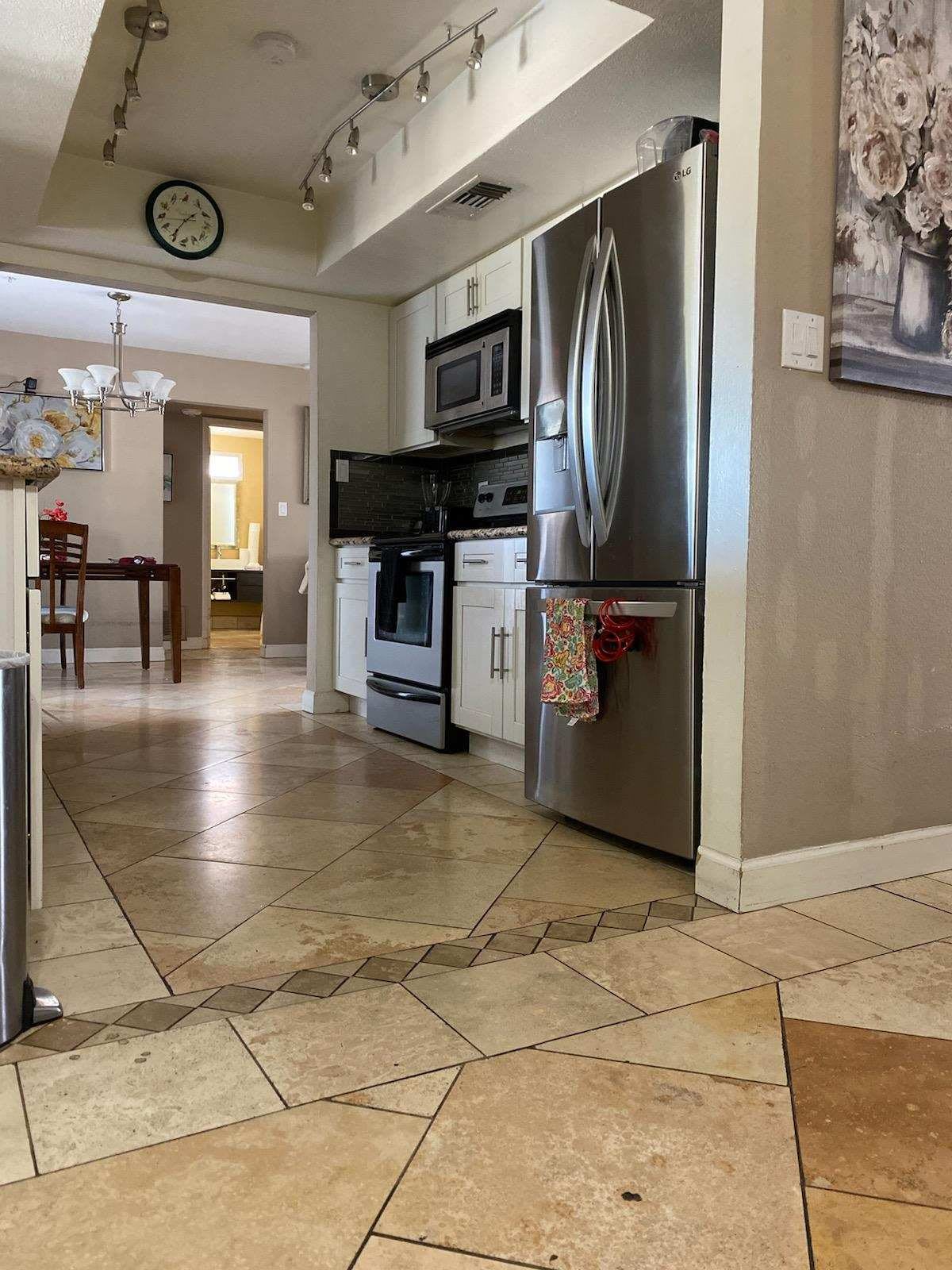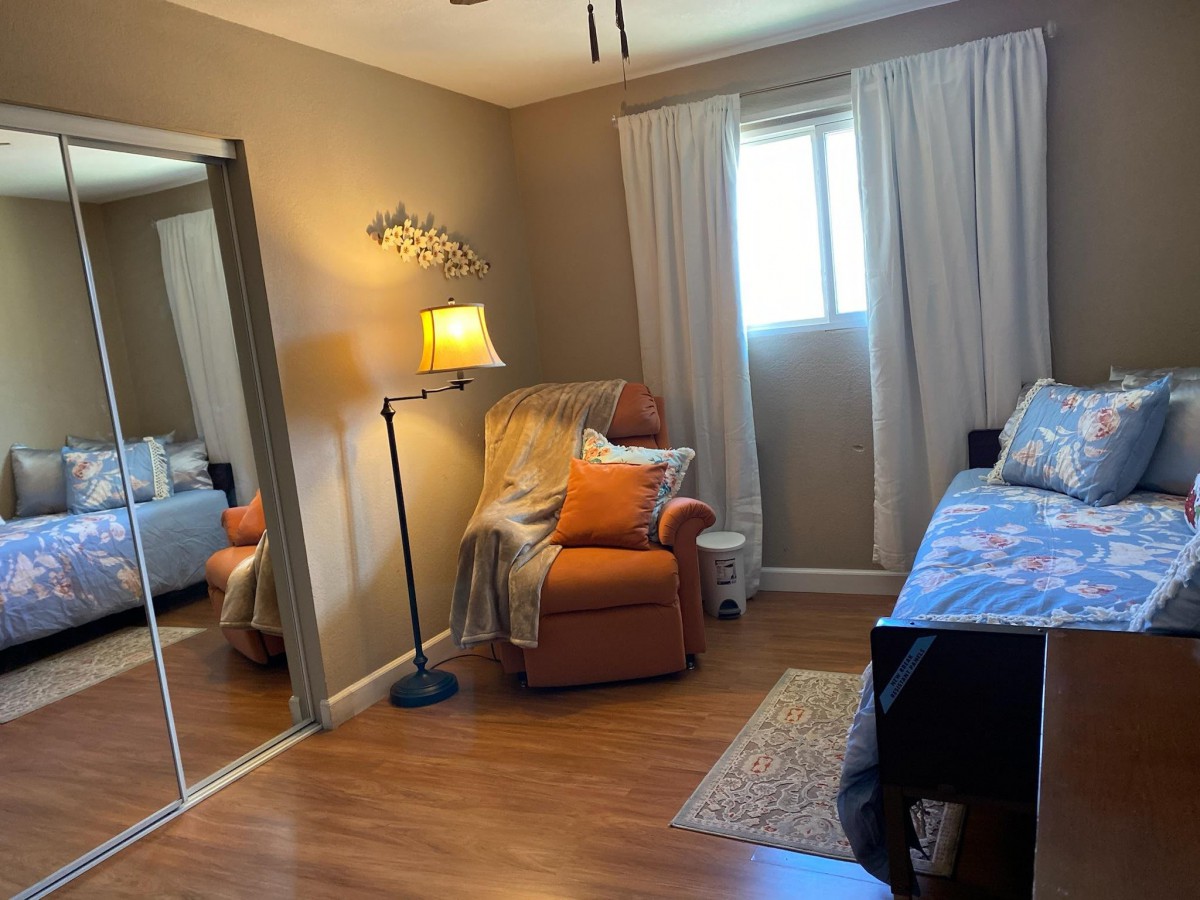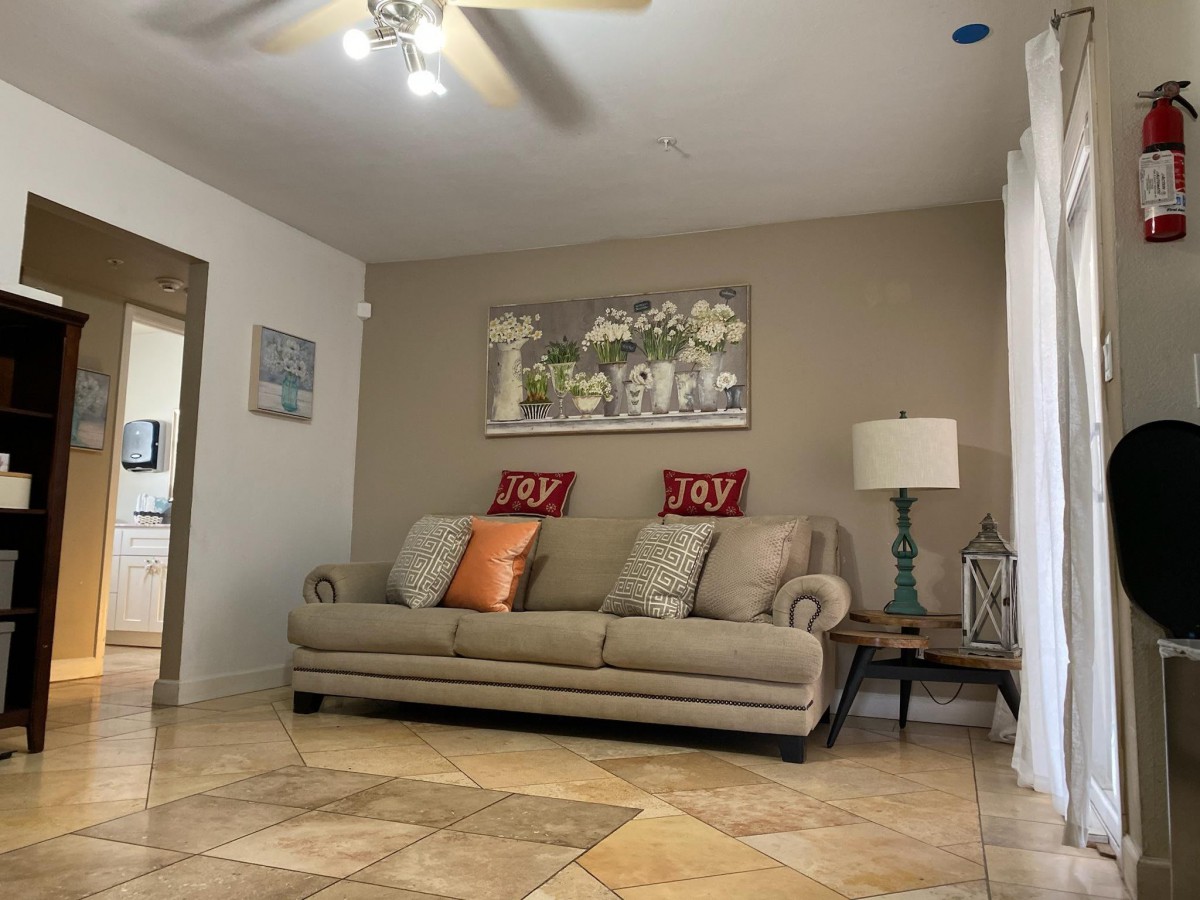
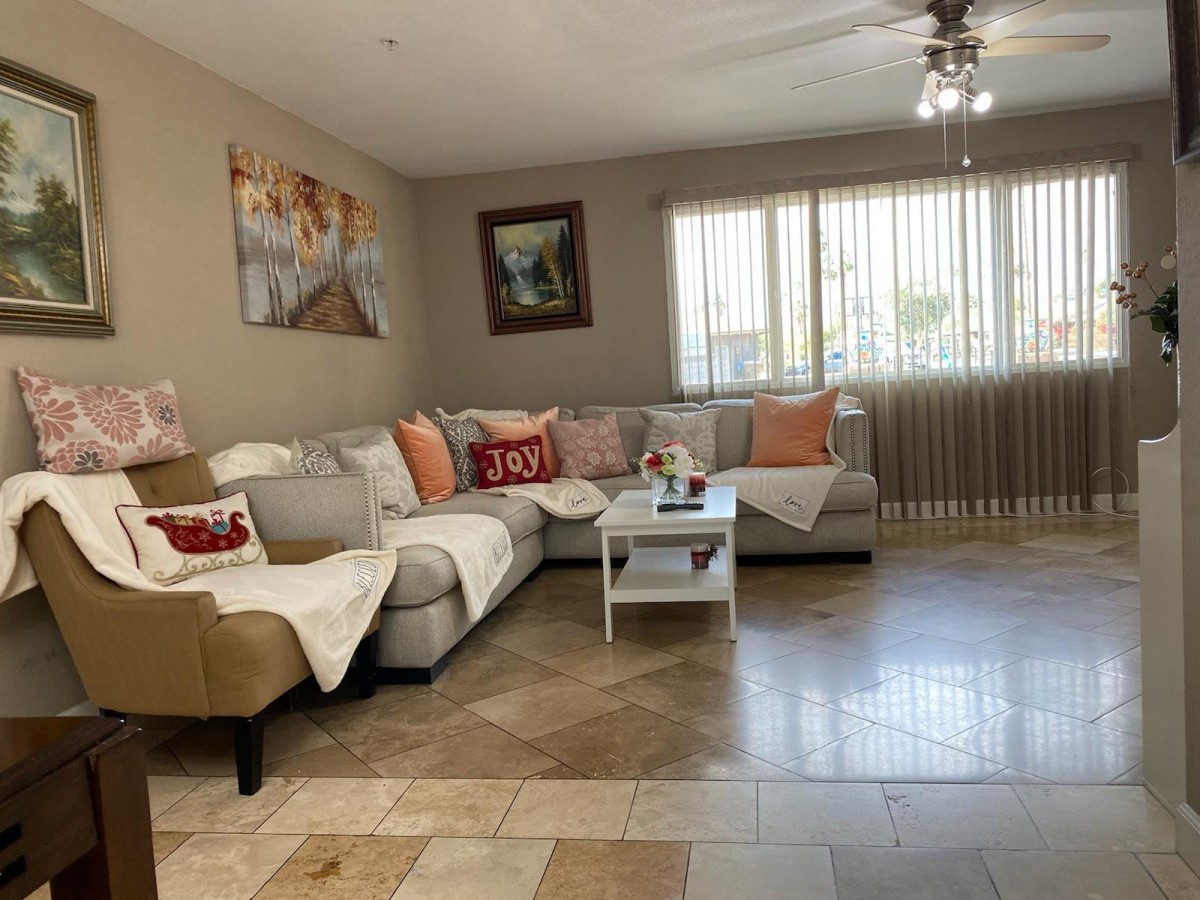
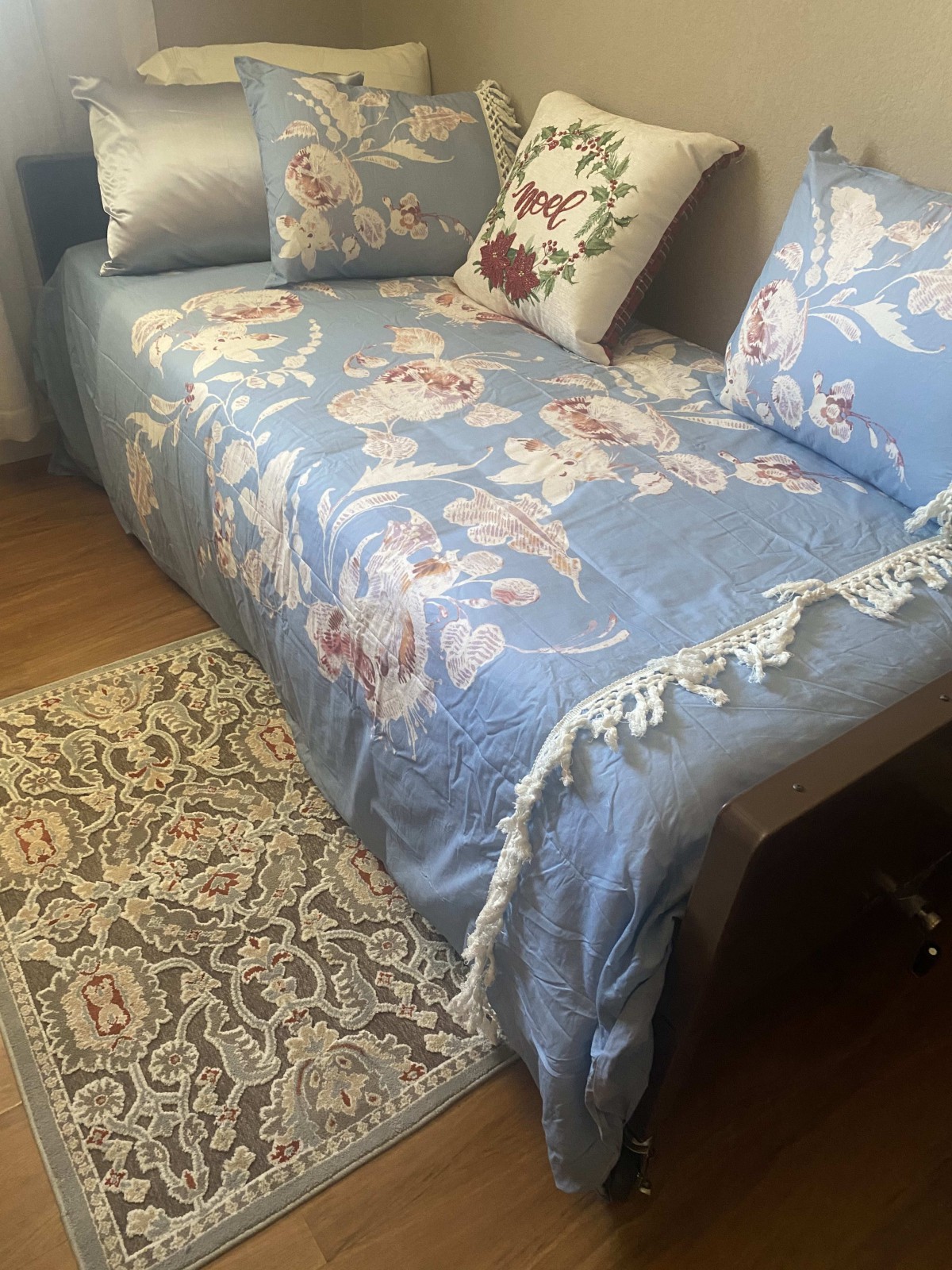

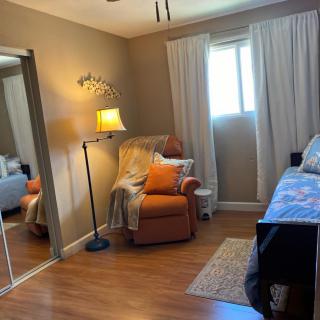
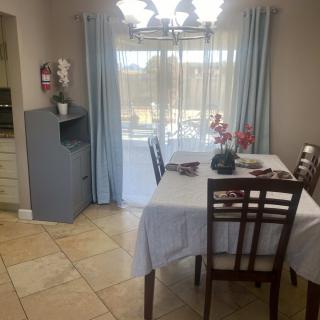
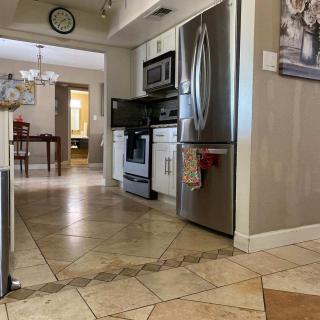
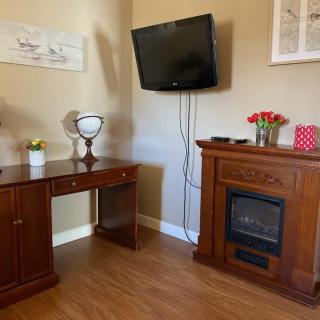
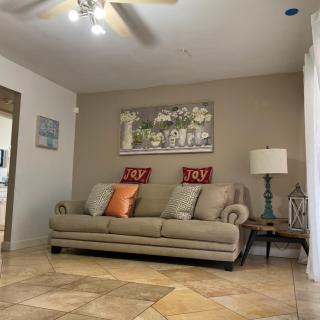
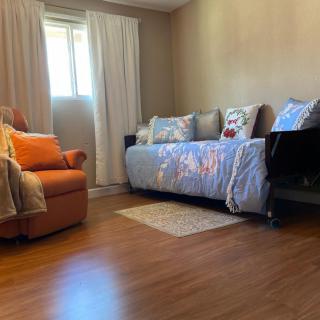
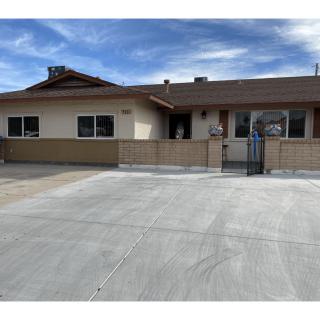
7111 North 29th Avenue, Phoenix, AZ 85051
For more information about senior living options: (866) 208-4318
Golden Care ACH Costs & Pricing
Golden Care ACH offers competitive pricing for its residential care services, with monthly costs that are generally lower than both the county and statewide averages. For a semi-private room, Golden Care ACH charges $2,500, which is significantly less than the Maricopa County average of $2,801 and the Arizona state average of $2,820. Similarly, for a private room, Golden Care ACH's rate of $3,500 also undercuts the local and state figures of $3,318 and $3,345 respectively. This positioning not only reflects Golden Care ACH's commitment to providing quality care at accessible prices but also highlights its value in comparison to other options available in the region.
| Floor plans | Golden Care ACH | Maricopa County | Arizona |
|---|---|---|---|
| Semi-Private | $2,500 | $2,801 | $2,820 |
| Private | $3,500 | $3,318 | $3,345 |
Assisted Living communities with a similar price nearby
-
from +$300 / mo
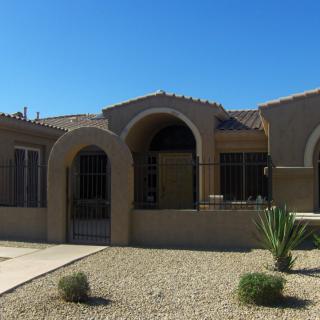
Pinnacle Peak Assisted Living
$2,800 to $3,100 / month16.3 miles away -
from +$125 / mo

The Eldercare Home Of Tempe
$2,625 to $3,412 / month17.0 miles away -
from +$400 / mo
Royal Paradise Care
$2,900 to $3,800 / month14.4 miles away -
from +$350 / mo
Covenant Care Assisted Living Home
$2,850 to $3,705 / month16.9 miles away -
About the same
Anc Assisted Living Homes I
$2,500 to $3,500 / month20.1 miles away
Overall Review of Golden Care ACH
Pros
 The person who runs the place is described as wonderful and caring, with a great personality for the job and a strong rapport with residents.
- Golden Heart Care is praised for high-quality care that helps residents move to a better place in life, with great food, good structure, and fun activities in a safe environment.
- The staff are noted for going above and beyond in caring for physical and mental health, including diabetic needs through healthy eating and exercise, with routine gym visits that residents enjoy, leading to improved health and fitness.
- The care environment is depicted as safe and supportive, contributing to residents’ well-being.
- The facility is highly recommended for loved ones.
Review
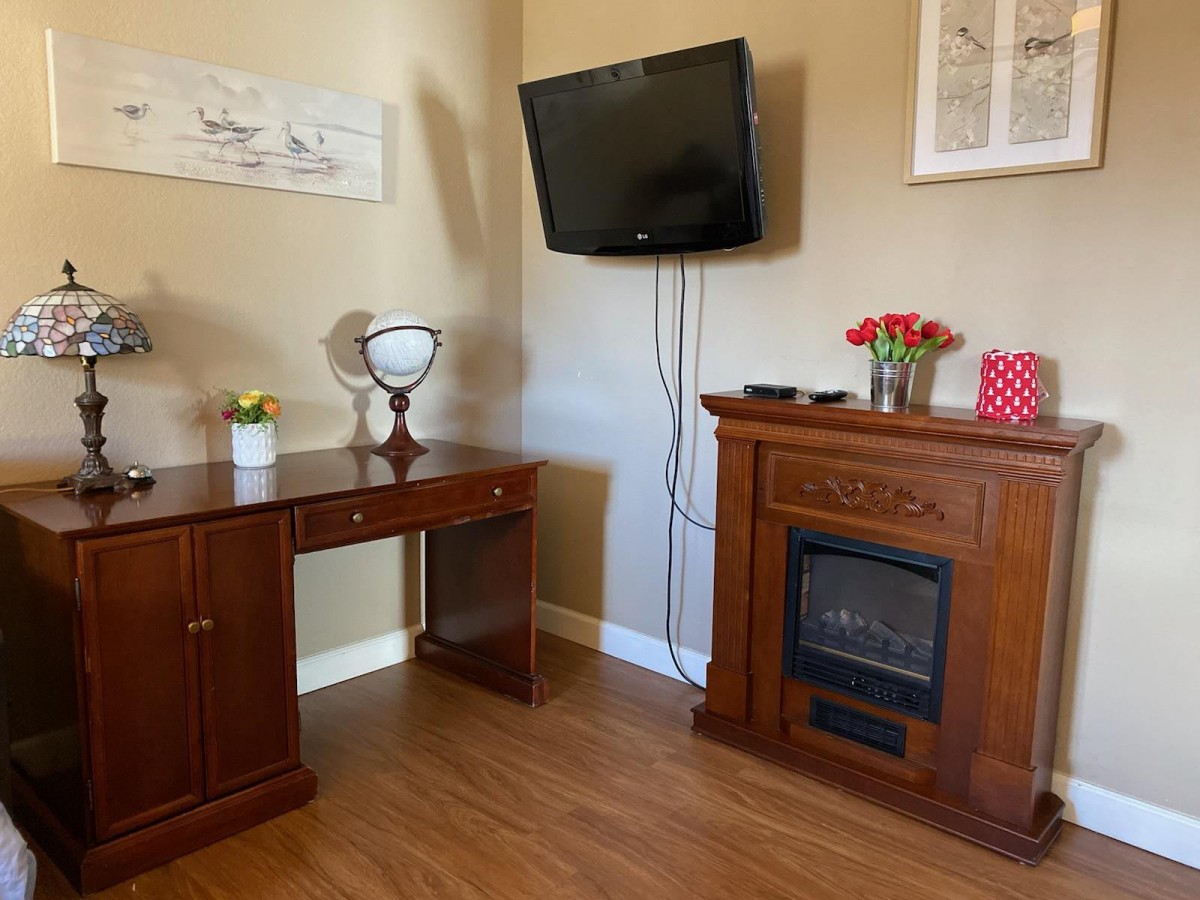
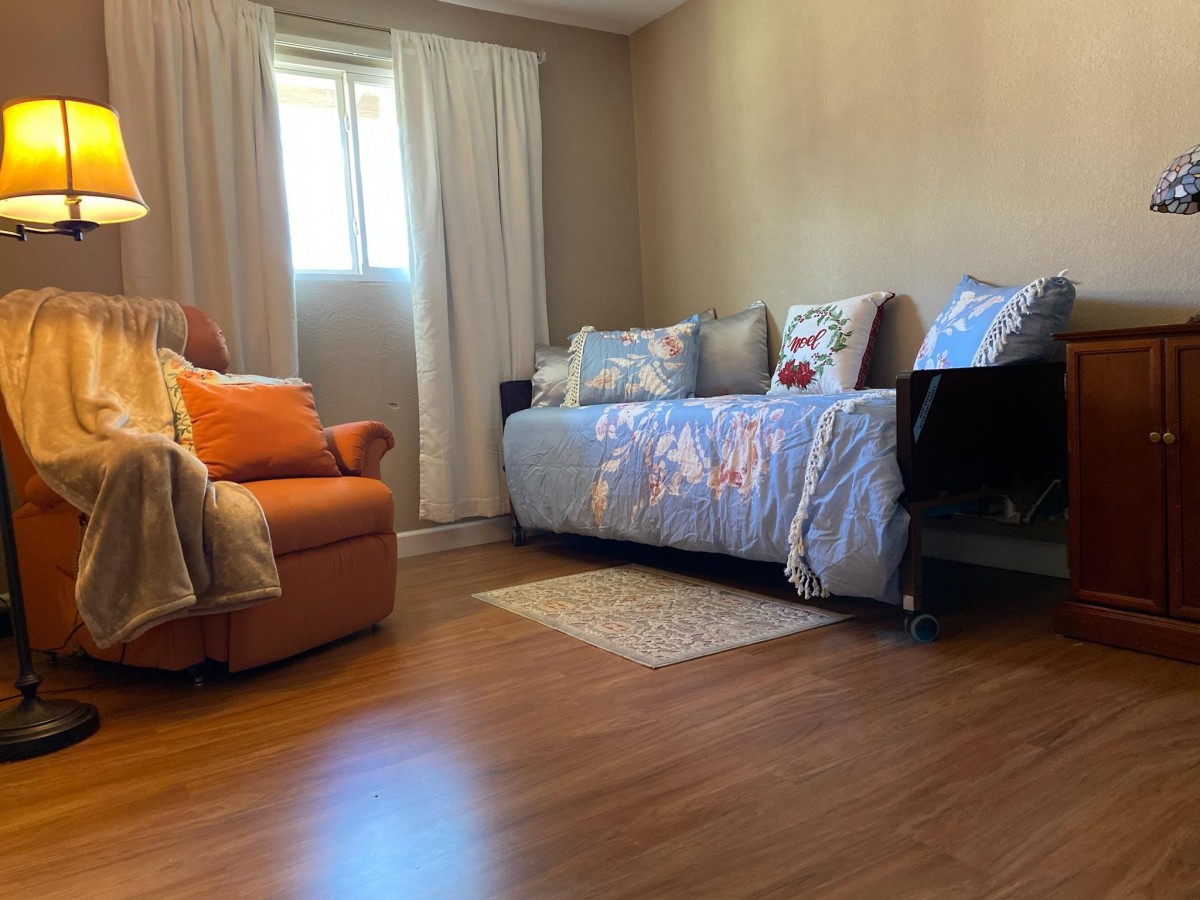
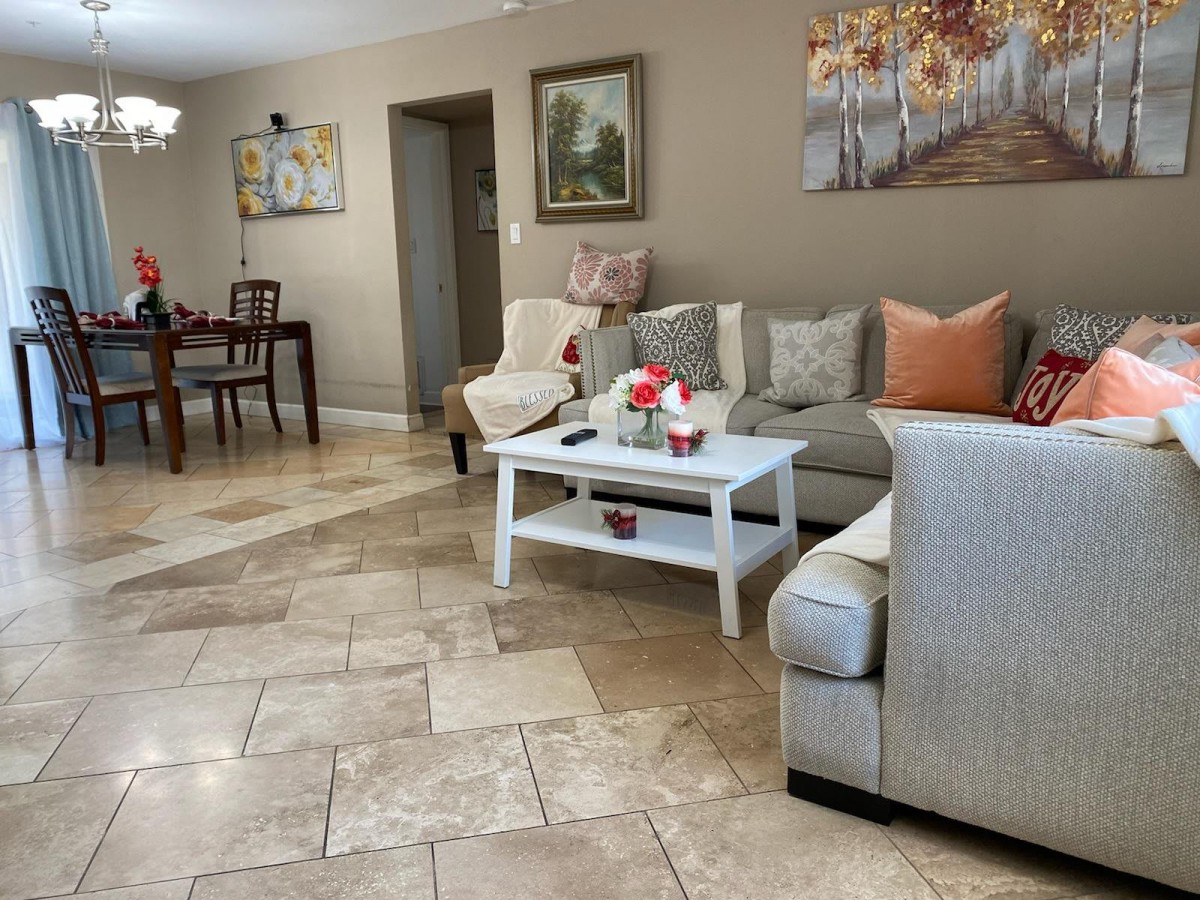
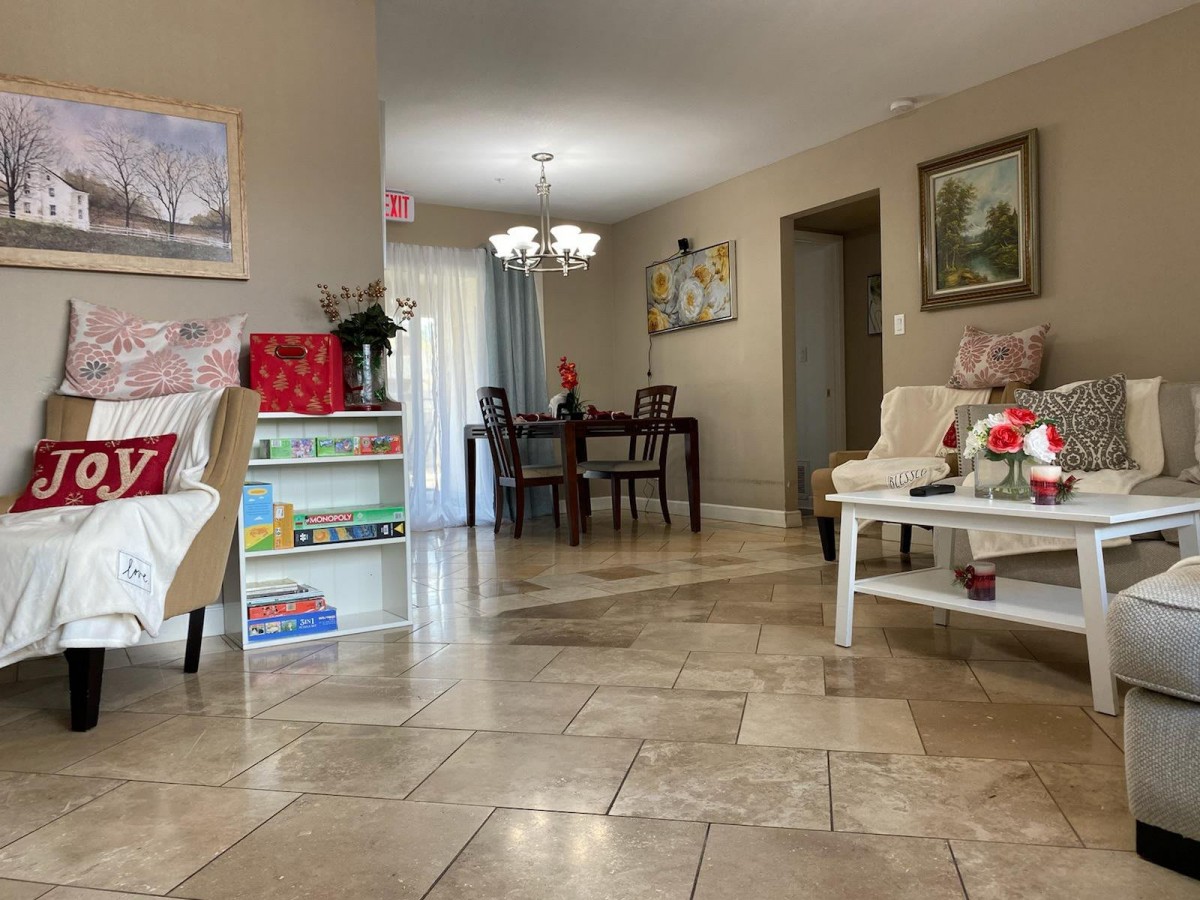
Golden Care ACH in Phoenix is best suited for families seeking a small, hands-on assisted living where the operator’s warmth shapes daily life. The reviews point to a leader who is described as wonderful and caring, with a strong rapport with residents. That kind of personal attention translates into a home-like atmosphere rather than a distant, corporate environment. The community tends to appeal to residents who respond well to predictable routines, meaningful social activities, and reliable supervision. For families prioritizing safety, structure, and a sense of companionship grounded in genuine relationships, this is a compelling match.
Alternatives to consider would include larger communities with more extensive medical staffing, memory care specialization, or rehab services. If a resident requires complex clinical oversight, around-the-clock nursing, or comprehensive wound care, other facilities with broader medical teams may serve better. Families needing a formalized, enterprise-level governance or a wider continuum of care across multiple sites might prefer a chain with more standardized processes. For those seeking a more impersonal setting with a higher-volume activity calendar or highly specialized therapy programs, it’s prudent to explore options that emphasize clinical depth and operational scale.
Key advantages center on leadership and the daily experience. Reviewers consistently highlight an outstanding, hands-on administrator and a compassionate personality that fosters easy rapport with residents, producing a warm, trusting atmosphere. Meals are praised for quality, with residents noting nutritious, well-prepared options that align with health goals. The daily structure, activities, safety measures, and a predictable rhythm, appears robust, supporting engagement without overwhelming seniors. A clear emphasis on physical well-being shows up in access to a gym-oriented routine and deliberate attention to chronic condition management, especially diabetes. This combination of sociability, meaningful activity, and practical health management creates a resilient quality of life for residents who thrive in a smaller, relationship-driven setting.
The strengths offset common drawbacks by delivering tangible, everyday benefits. A caring operator and strong interpersonal connections reduce anxiety and support adherence to healthy routines, while flexible problem-solving from leadership can offset potential gaps in formal processes. The nutrition-first approach and active lifestyle programming mitigate typical health risks associated with aging, including diabetes management challenges. Safety appears embedded in the structured environment and attentive supervision, which can assuage concerns about the care level in a smaller operation. In short, the positive indicators, personalized care, meal quality, and health-focused programming, tend to compensate for the limited scale relative to larger facilities.
Gaps to verify during due diligence include staffing levels and 24/7 coverage, as well as how medical oversight is provided during weekends or after hours. It’s essential to confirm memory care capabilities if needed, since none of the reviews specify cognitive support services. Prospective residents should ask how the diabetic-focused nutrition and gym plan integrates with current medical orders and whether a resident’s physician can coordinate with facility staff. Price transparency, contract terms, and escalation paths for increasing care needs should be clarified. Finally, inspect the physical environment for accessibility and comfort, and meet the administrator to judge whether the personal leadership style aligns with the loved one’s preferences.
For families prioritizing a homey, person-centered setting with strong leadership, excellent meal quality, and healthful programming, Golden Care ACH stands out as a compelling option in Phoenix. It is particularly well-suited for residents who value stability, safety, social connection, and proactive management of chronic conditions like diabetes. Those requiring more extensive clinical care, specialized memory support, or a larger-scale operation may want to look elsewhere. The next step is a focused visit: observe interactions with residents, review the care planning process, and verify staffing and availability of medical oversight. With careful vetting, this community can deliver meaningful quality-of-life gains while maintaining a compassionate, engaging daily rhythm.
 10 resident community capacity
 Assisted Living
 Board and Care Home
 Cats allowed
 Dogs allowed
 Activities off-site
 Air-conditioning
 Cable or satellite TV
 Devotional services off-site
 Dining room
 Fully furnished
 Garden
 Housekeeping services
 Indoor common areas
 Move-in coordination
 Outdoor common areas
 Private
 Respite or short term stays offered
 Telephone
 Wheelchair accessible showers
 Wi-Fi/high-speed internet available
 Phoenix Sky Harbor International (10 miles away)
 24-hour supervision
 Assistance with bathing
 Assistance with dressing
 Assistance with transfers
 Diabetes diet
 Diabetic care
 High acuity care
 Incontinence care
 Meal preparation and service
 Medication management
 Special dietary restrictions
 Transportation arrangement (medical)
 Transportation to doctors appointments
 Art classes
 Day trips and outings
 Educational speakers / life long learning
 Live dance or theater performances
 Live musical performances
 Stretching classes
 Visiting Rabbi
 Visiting chaplain or priest




 A Detailed Exploration of Assisted Living Medicaid Waivers Across the United States
 Comprehensive Residential Support and Assisted Living Solutions for Individuals with Disabilities
 Comprehensive Supportive Living Arrangements for Adults with Disabilities