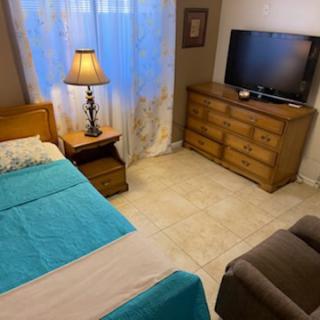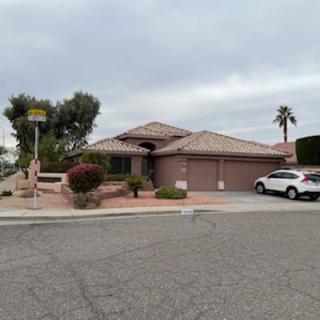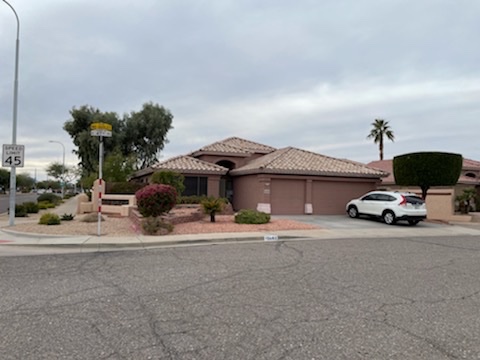
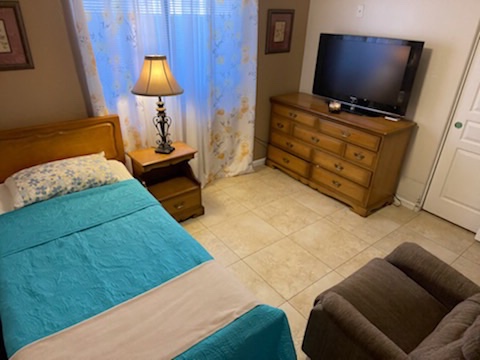

15462 South 47Th Place, Phoenix, AZ 85044
For more information about senior living options: (866) 208-4318
Angel's Adult Group Home Costs & Pricing
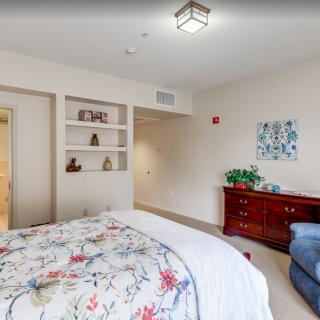
Angel's Adult Group Home offers competitive pricing in comparison to the broader market in Maricopa County and across Arizona. For a semi-private room, residents can expect a monthly fee of $2,000, which is notably lower than the county average of $2,801 and the state average of $2,820. This affordability extends to their one-bedroom accommodations as well, priced at $3,000 per month - again more economical than the county's average of $3,473 and the state's average of $3,532. These rates not only reflect Angel's commitment to providing accessible care but also position it as a financially viable option for those seeking quality adult group home services.
| Floor plans | Angel's Adult Group Home | Maricopa County | Arizona |
|---|---|---|---|
| Semi-Private | $2,000 | $2,801 | $2,820 |
| 1 Bedroom | $3,000 | $3,473 | $3,532 |
Memory care communities with a similar price nearby
-
About the same

Santo Nino Villas 2
$2,000 to $2,300 / month10.6 miles away -
from +$255 / mo

Windsor Luxury Assisted Living, LLC
$2,255 to $5,950 / month15.2 miles away -
from +$225 / mo

Harts Home - Exceptional Elder Care
$2,225 to $5,500 / month19.4 miles away -
from +$200 / mo

Desert Springs Communites
$2,200 to $2,500 / month20.0 miles away -
from -$150 / mo
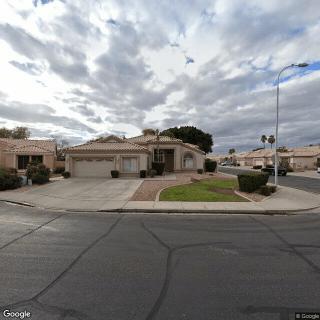
Divine Mercy Assisted Living II
$1,850 to $3,350 / month6.9 miles away
Overall Review of Angel's Adult Group Home
Pros
 The home is clean, peaceful, and well-run, with caregivers who genuinely care about the patients.
- Abel is gracious and celebrates each patient’s birthday, decorating for holidays and special occasions.
- The meals are well-balanced and delicious, with care given to any dietary needs.
- The caregivers are among the most caring and attentive, making families feel at home.
- Residents are treated with respect and loving care, even as they approach end of life.
- The home offers an at-home setting with individualized care and daily activities that engage residents.
- The staff are described as angels, consistently communicating with families (e.g., via short videos) and staying warmly connected.
- The collaboration with Hospice of the Valley provides exceptional, professional comfort care.
Review
Angel's Adult Group Home in Phoenix is best suited for families seeking an intimate, home-like setting where a small team can deliver exceptionally personalized, affectionate care. The reviews consistently describe a cheerful, immaculately clean environment with caregivers who genuinely treat residents as family. This community shines for seniors who benefit from daily routines that include grooming, dressing, and individualized attention, all delivered in a warm, at-home atmosphere. It is particularly well matched to residents facing advanced Parkinson’s, dementia, or those approaching the end of life who value celebratory touches, birthday acknowledgments, holiday decorations, and consistent, respectful conversation that preserves dignity and identity.
Those exploring options should consider alternatives if a larger, more clinical setting is a priority. Families needing robust, around-the-clock medical oversight, a formal memory-care unit, or a more structured calendar of activities across a broad campus may find a small, home-based group home less aligned with those needs. Likewise, residents who require frequent rehabilitation services, more intensive supervision, or highly specialized clinical programming might be better served by larger assisted living communities with dedicated medical staff and memory-care programming.
The strongest positives center on care quality that feels deeply personal and attentive. Cleanliness, a cheerful ambiance, and meals that accommodate dietary restrictions are not mere amenities but foundational elements that support comfort and daily well-being. The staff’s consistent tenderness, celebrating life events, ensuring daily dressing and grooming, and maintaining a peaceful, quiet environment, creates a sense of safety and belonging that is hard to replicate in bigger facilities. The ability for visitors to drop in easily and the family-like communication, including regular video updates for distant relatives, reinforce trust and continuity of care.
A defining advantage is the way Angel’s integrates hospice collaboration into the ongoing care plan. Families report that hospice teams view the home as a well-run, deeply supportive setting, with staff who communicate well and deliver comfort-focused care that respects patient wishes. This alignment matters because it translates into less friction during difficult transitions and more consistent attention to comfort, dignity, and personal preferences. The owner, Abel, and her team are described as genuinely attentive, going beyond baseline expectations to create meaningful, meaningful moments for residents and their families, which often becomes the distinguishing factor when families face emotionally fraught decisions.
If evaluating this community, families should probe practical details that drive day-to-day stability. Ask about staff-to-resident ratios, how care plans adapt as needs progress, and who coordinates medical tasks versus relying on external professionals. Confirm the level of on-site programming versus passive activities, and whether routines can be tailored to preservation of identity, clothing, grooming, and favorite activities. Clarify how dietary needs are managed over time, how and when family involvement is encouraged, and whether the facility has the capacity to maintain the same level of warmth and personalization as needs intensify. These questions reveal whether the home can sustain its hallmark strengths when circumstances evolve.
In the end, Angel's Adult Group Home stands out as a premier choice for families prioritizing intimate, compassionate care in a small, home-like setting. It excels for residents who thrive on individualized attention, meaningful daily routines, and a culture of dignity, kindness, and celebratory moments. For loved ones requiring more extensive clinical services, a larger, more medically equipped environment may be worth considering. A visit is essential: observe resident-staff interactions, sample a meal, review a current care plan, and meet the team you’ll trust with daily life. When alignment is found, the result is not merely adequate care but a sincere, family-centered home where love and attention become the everyday standard.
 5 resident community capacity
 Assisted Living
 Board and Care Home
 Memory Care
 Respite Care
 Activities off-site
 Bath tubs
 Cable or satellite TV
 Devotional services on-site
 Dining room
 Fully furnished
 Garden
 Housekeeping services
 Indoor common areas
 Move-in coordination
 Outdoor common areas
 Private bathrooms
 Small library
 Telephone
 Wheelchair accessible showers
 Phoenix Sky Harbor International (9 miles away)
 24-hour supervision
 Assistance with bathing
 Assistance with dressing
 Assistance with transfers
 Diabetes diet
 Diabetic care
 High acuity care
 Incontinence care
 Meal preparation and service
 Medication management
 Special dietary restrictions
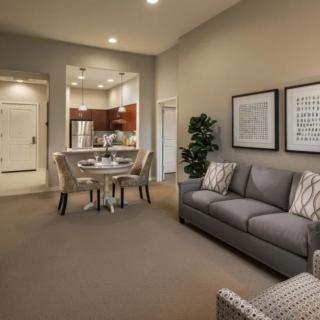



 Dementia, Paranoia, and Caregiver Guidance: Understanding the Connection
 Engaging Memory Care Activities That Enhance Quality of Life
 When to Transition from Assisted Living to Memory Care: Key Indicators, Steps, and Finding the Right Community