
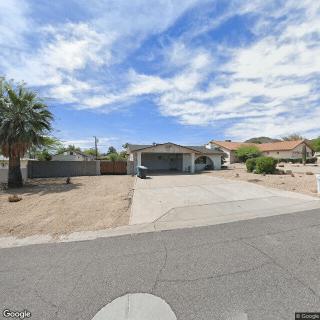
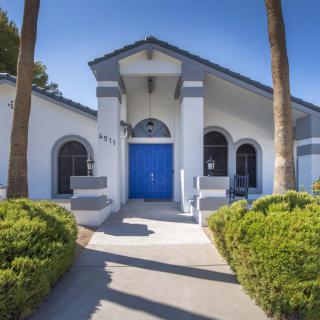
2827 East Thunderbird Road, Phoenix, AZ 85032
For more information about senior living options: (866) 208-4318
Overall Review of A Tender Touch Assisted Living Home II
Pros
 The staff at Tender Touch were exceptional in caring for the resident's elderly mother.
- The reviewer could not say enough positive things about the staff, describing them as the best you could hope for.
- Tender Touch took excellent care of the resident's mother for many years.
- The staff and owners felt like a second family to her.
- The home is highly recommended for its quality of care and interaction with residents and their families.
Cons
 None found — all statements are positive about Tender Touch and the care provided.
Review
Tender Touch Assisted Living Home II in Phoenix is best suited for seniors who value intimate, relationship-driven care delivered in a warm, home-like setting. The reviews consistently describe exceptional staff dedication and daily interactions that feel tailored and deeply personal. Families seeking reassurance that a loved one will receive attentive companionship and clear, ongoing communication with caregivers will find this community compelling. The small-house model tends to yield stable, familiar routines and strong caregiver-resident bonds, a comfort for elders who thrive on continuity and personal attention. This is not a campus; it is a tightly run home where the caregiving team is central to daily life.
For families requiring robust medical oversight or a broad program of activities, alternatives should be considered. While the staff’s kindness and attentiveness are repeatedly highlighted, the sources do not describe extensive clinical resources, on-site nursing coverage, or dementia-specific programming. If the loved one needs frequent medical management, complex medications, or highly structured safety monitoring, investigating communities with larger care teams or dedicated memory-care options is prudent. Tender Touch excels in caregiving warmth; it may not substitute for facilities designed around clinical intensity or expansive service menus.
The strongest advantages are the hands-on, compassionate care and the sense of family the staff creates. Residents appear to receive highly attentive, respectful treatment, with caregivers portrayed as dependable partners in daily living. Such care translates into real-life benefits: reduced anxiety for families, greater resident happiness, and a consistent routine that supports mobility and daily self-care. These advantages offset potential trade-offs inherent in a small, home-style setting, fewer on-site amenities or formal programming, by delivering reliable, emotionally anchored support that matters day-to-day.
Yet the limited number of reports means the full spectrum of experience remains unknown. A 4.7 rating is impressive, but families should seek corroboration over time and across different weeks and shifts. Prospective residents should request unvarnished demonstrations of care, ask about how transitions are handled if health changes, and verify that care planning aligns with current medical needs. The emphasis on happiness and family-style involvement is powerful, but confirming medical coordination, medication management, and safety protocols remains essential.
Practical evaluation should focus on real-world fit. Prospective families should gain a clear picture of daily routines, staff availability, and how communication flows to families. Meeting caregivers and observing interactions during routine tasks, assistance with meals, mobility, and personal care, offers meaningful insight. Inquire about how family input shapes care plans, what steps occur during emergencies, and what ancillary services (transportation, therapy, meals) look like week to week. Given the warmth described, verify consistency, transparency, and the steadiness of staffing to ensure sustained trust.
Overall, Tender Touch Assisted Living Home II stands out for warmth, personal attention, and a caregiving culture that feels like a trusted family extension. It is especially well-suited for seniors who prefer a small, tightly managed environment and for families who want to be deeply involved in daily care. Alternatives should be on the table if clinical intensity, dementia-specific programming, or a broader social calendar are priorities. For decision-makers, a direct visit paired with frank conversations with leadership and front-line caregivers will reveal whether this home aligns with medical, emotional, and logistical requirements, offering confidence in a choice that feels right for both resident and family.
 8 resident community capacity
 Assisted Living
 Board and Care Home
 Respite Care
 Cable or satellite TV
 Dining room
 Fully furnished
 Garden
 Housekeeping services
 Move-in coordination
 Outdoor space
 Telephone
 Wi-Fi/high-speed internet available
 Phoenix Sky Harbor International (12 miles away)
 24-hour supervision
 Activities of daily living assistance
 Assistance with bathing
 Assistance with dressing
 Assistance with transfers
 Diabetes diet
 Meal preparation and service
 Medication management
 Special dietary restrictions
 Transportation arrangement (medical)
 Transportation to doctors appointments



 Assisted Living Support for Veterans: A Complete and Detailed Overview
 Exploring the Contrasts Between Assisted Living and Skilled Nursing
 8 Key Indicators That Suggest It May Be Time to Transition from Assisted Living to Skilled Nursing Care