6710 E. Fanfol Dr., Paradise Valley, AZ 85253
To contact a resident: (623) 312-5635
For more information about senior living options: (866) 208-4318
The Paradise Assisted Living Home Costs & Pricing
The Paradise Assisted Living Home offers a studio room at a monthly rate of $4,500, which reflects the unique amenities and personalized care provided within its environment. When compared to Maricopa County's average of $3,960 and the state-wide average for Arizona at $3,829, it's evident that The Paradise positions itself at a premium tier within the assisted living market. This higher cost may be indicative of enhanced services, specialized programs, or a more luxurious living experience that residents can expect. While it is essential for prospective residents and their families to consider budget constraints, the value derived from quality care and supportive community living in such facilities cannot be overlooked.
| Floor plans | The Paradise Assisted Living Home | Maricopa County | Arizona |
|---|---|---|---|
| Studio | $4,500 | $3,960 | $3,829 |
Assisted Living communities with a similar price nearby
-
from +$500 / mo
American Dream Home
$5,000 / month5.6 miles away -
from -$660 / mo

Elite Senior Living
$3,840 to $4,992 / month14.8 miles away -
from -$500 / mo
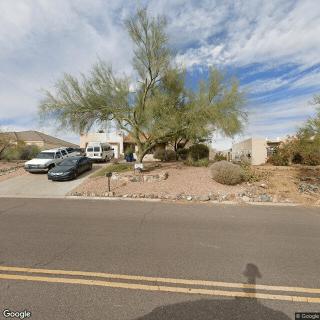
Sunrise Assisted Living Facility
$4,000 to $5,000 / month15.7 miles away -
from -$500 / mo
Desert Joy Assisted Living
$4,000 / month21.1 miles away -
from -$500 / mo
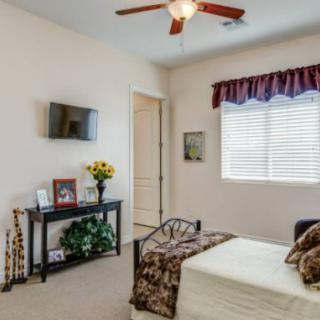
Quail Manor Assisted Living
$4,000 to $4,900 / month14.1 miles away
Overall Review of The Paradise Assisted Living Home
Pros
 Paradise Valley Senior Retreat is a safe and wonderful home environment for seniors.
- The staff is caring and attentive.
- Anca and her team provide a high level of care and love for residents.
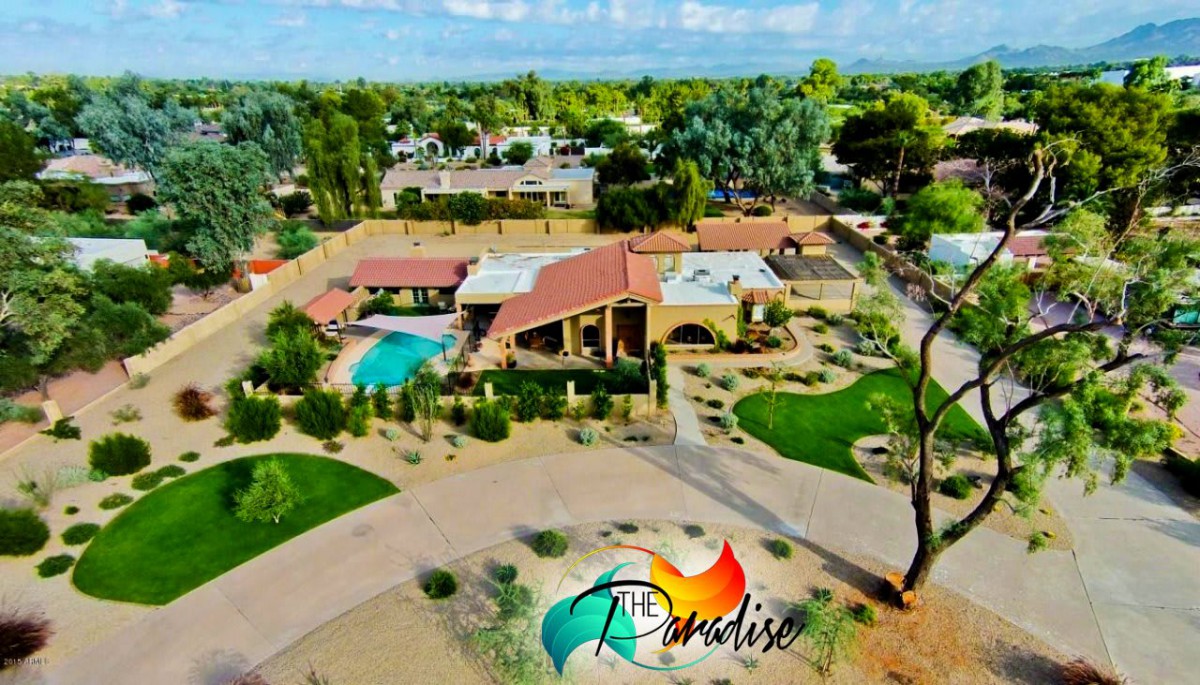
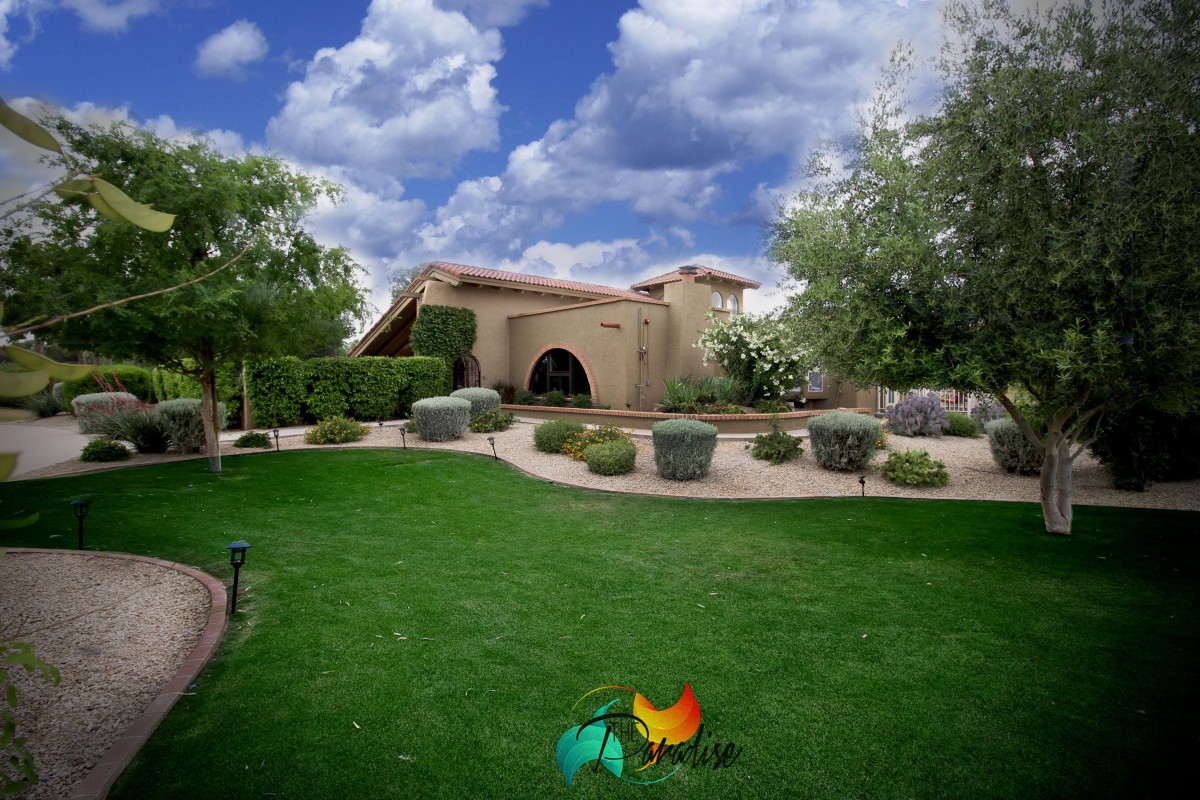
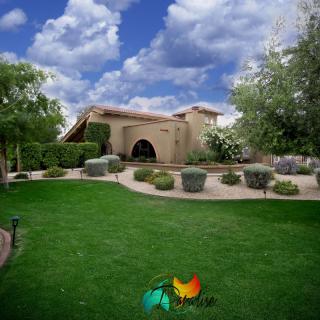
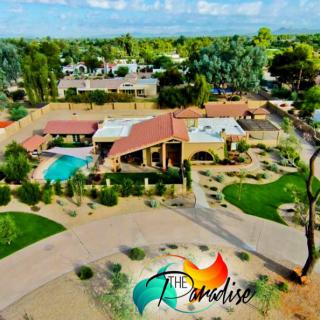
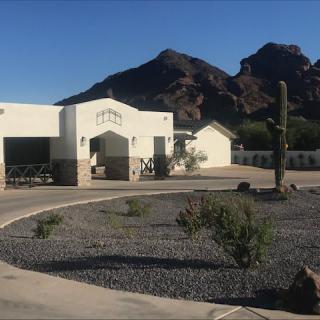
- The house is spacious and in a lovely part of the Valley.
- The meals for residents are thoughtful and nutritious.
- The home is clean, well maintained, and the in-house doctor is good.
- The meals are homemade and Esther is a great cook.
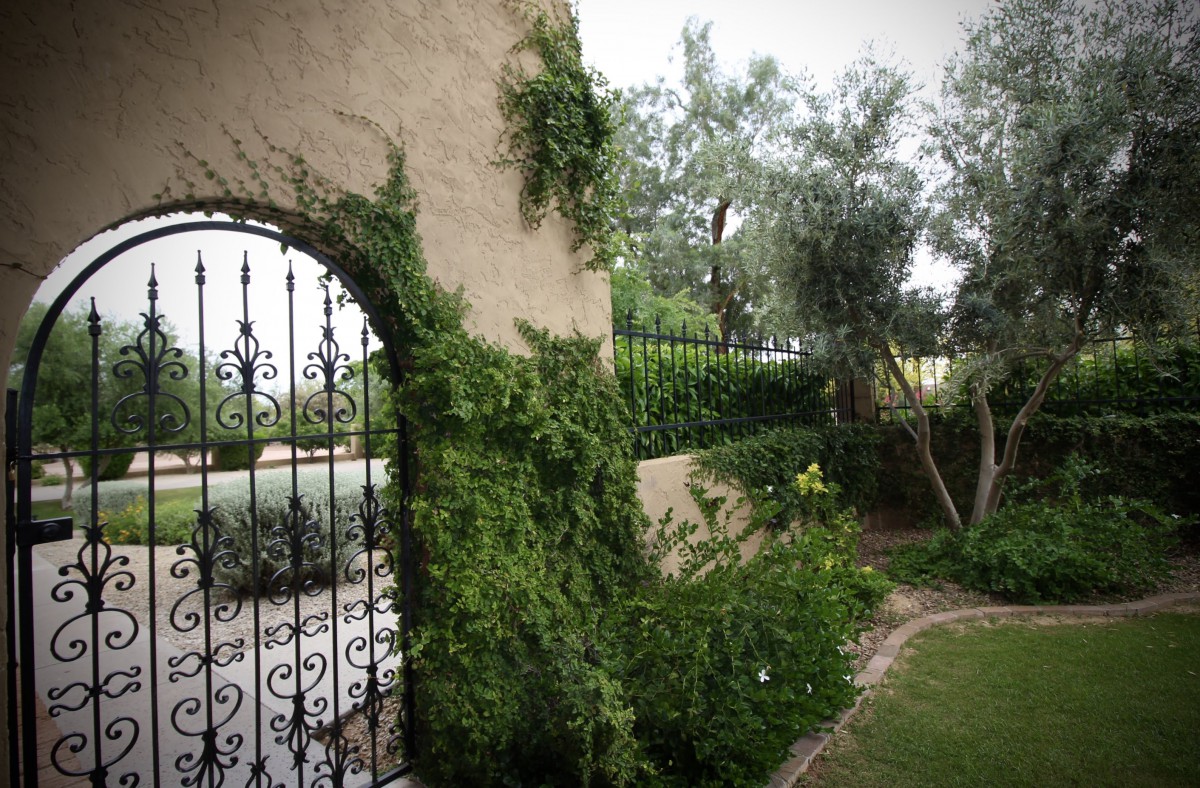
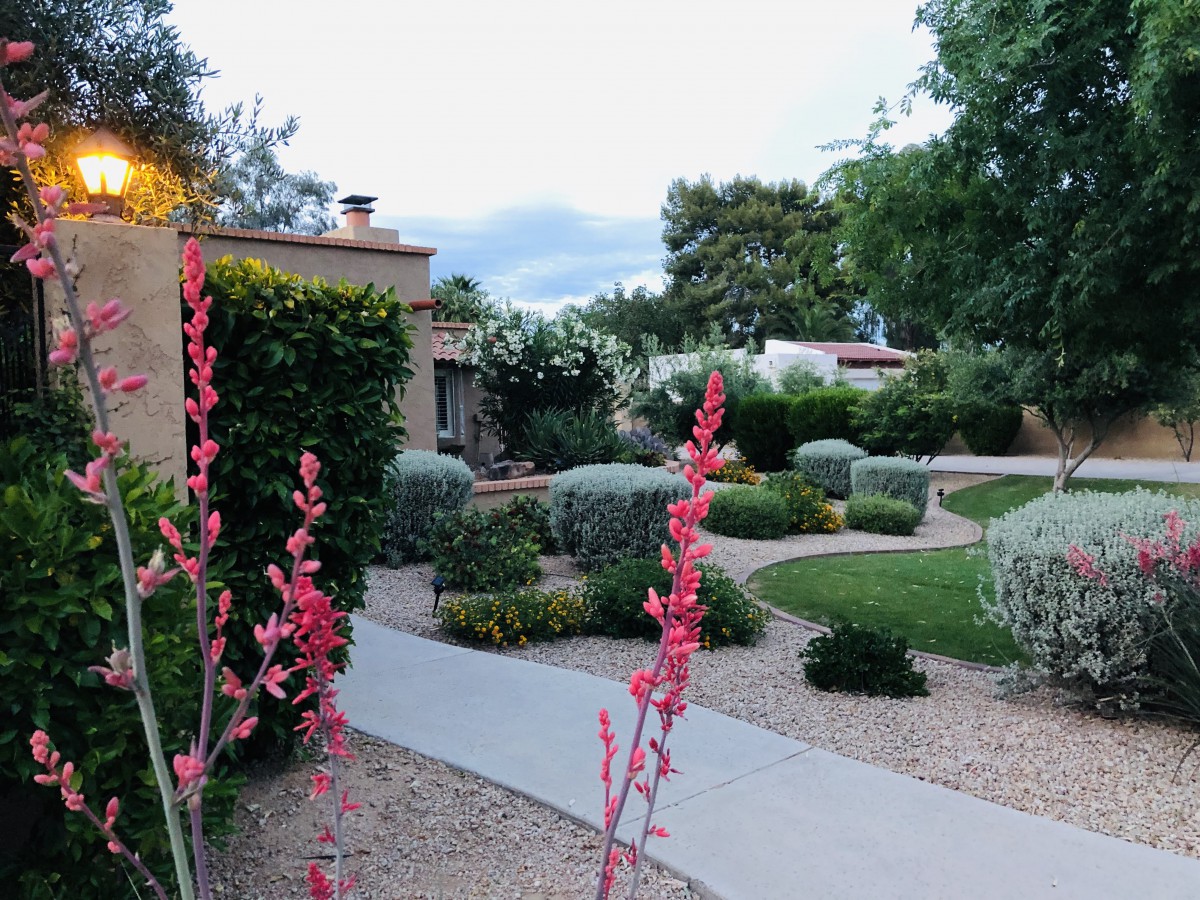
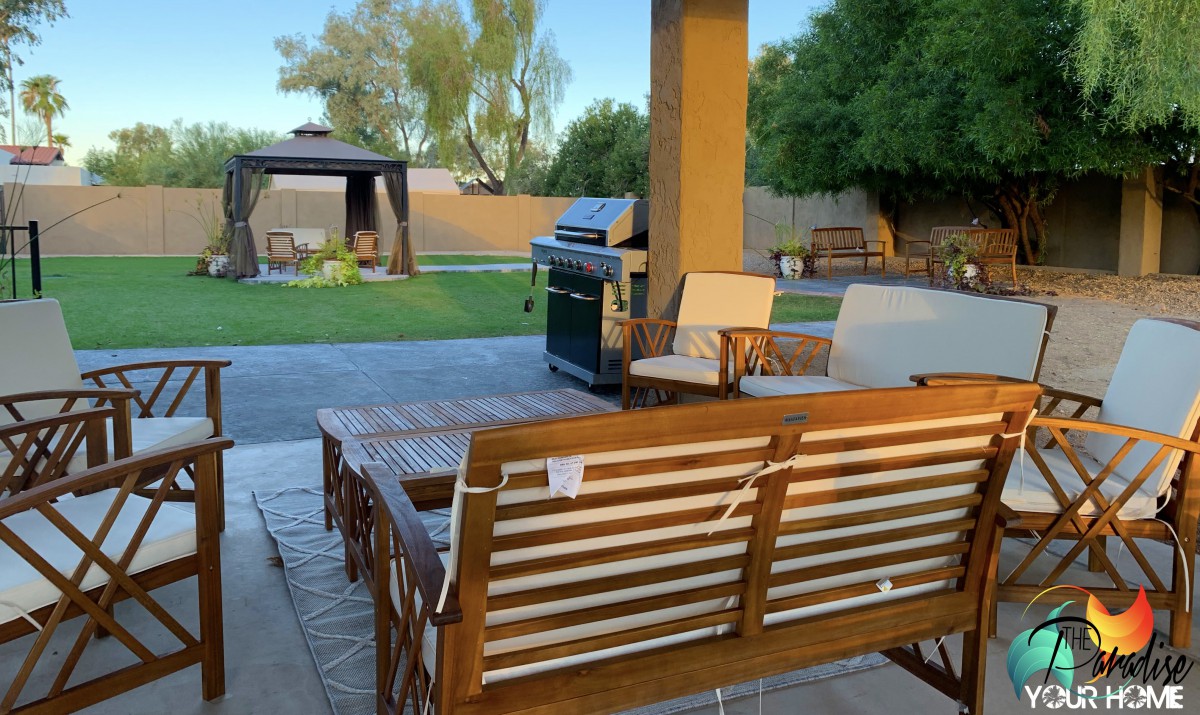
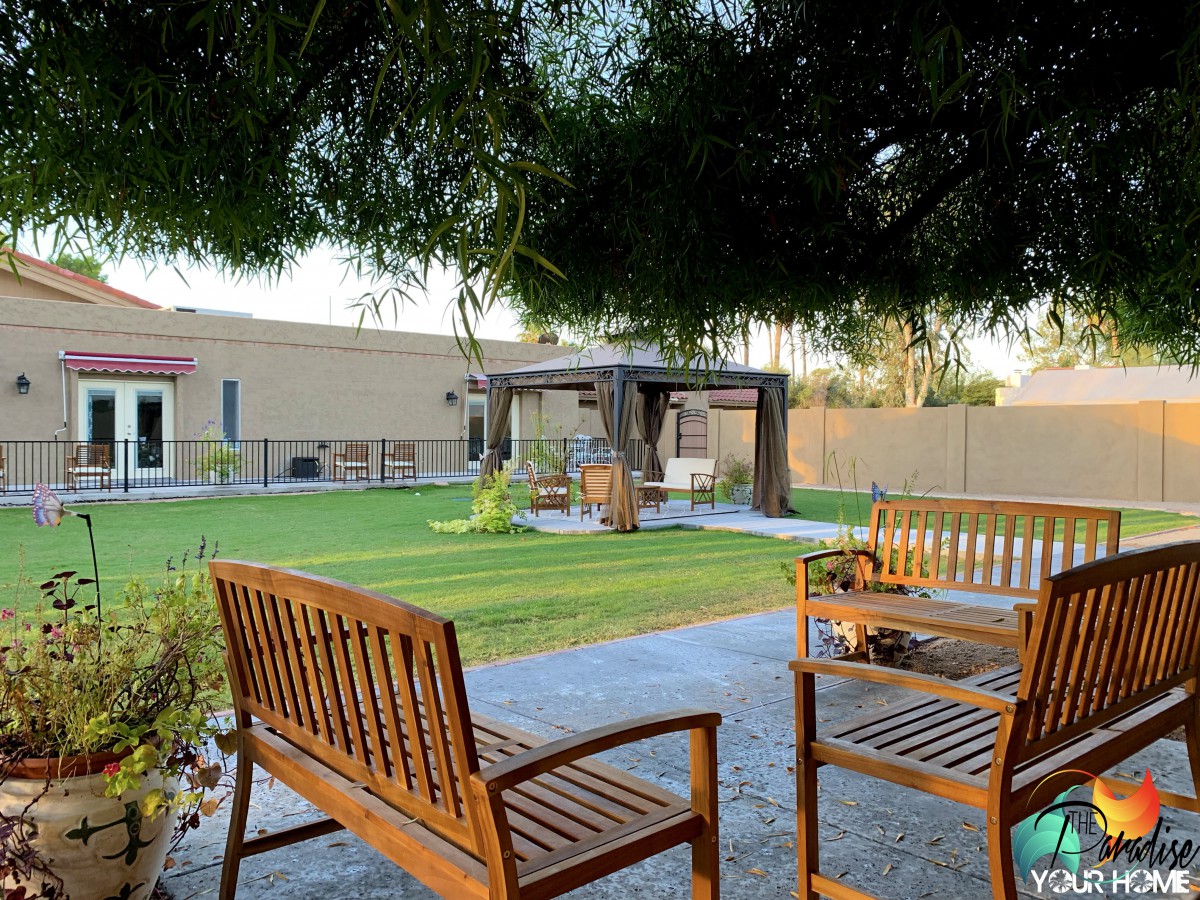
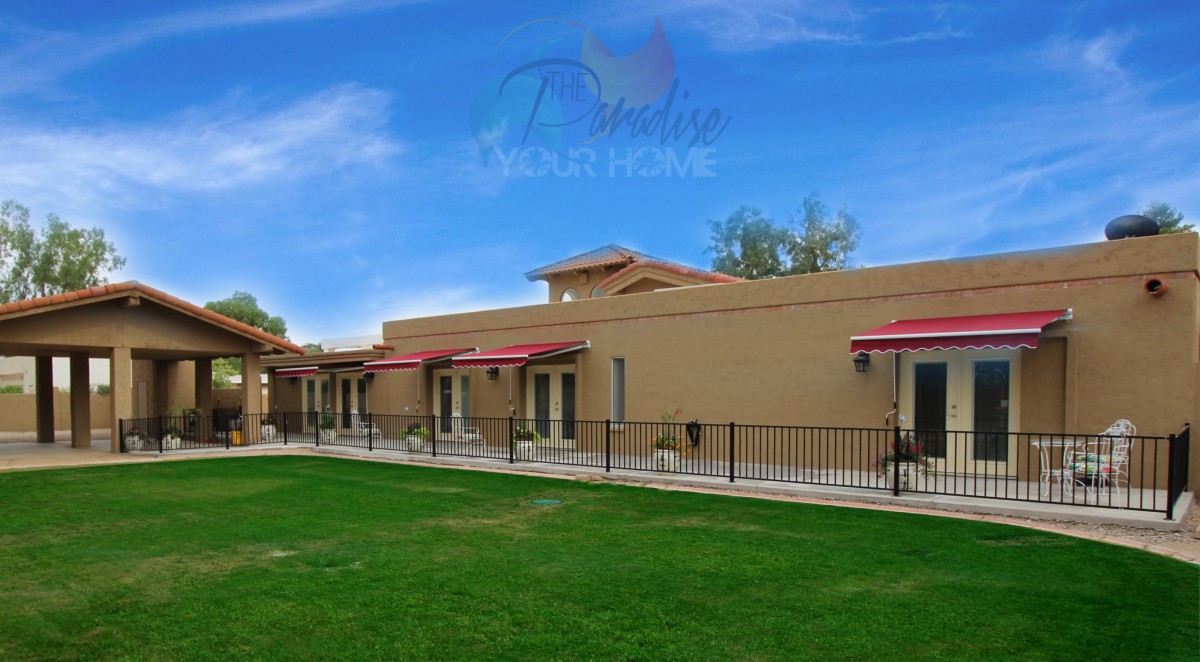
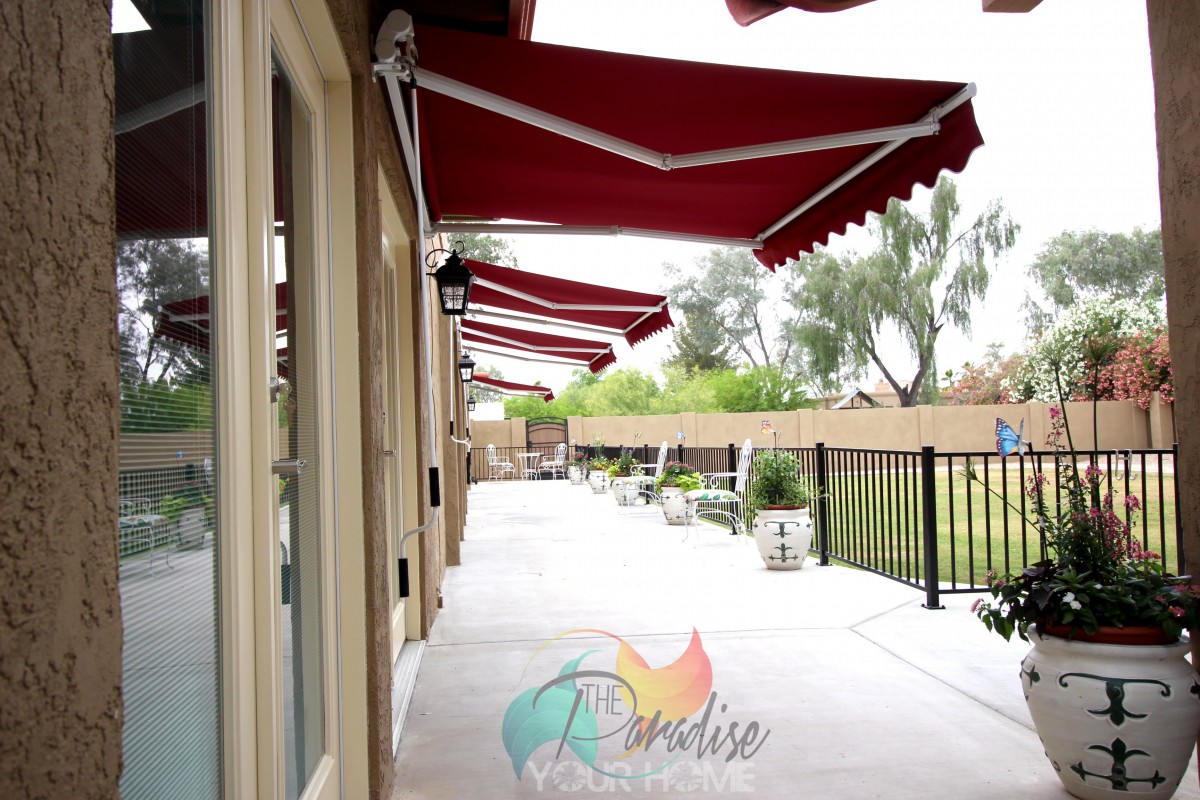
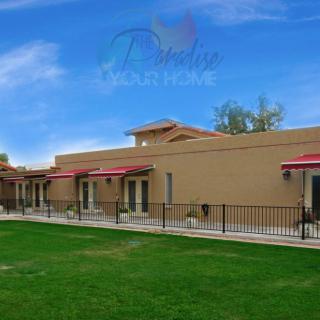
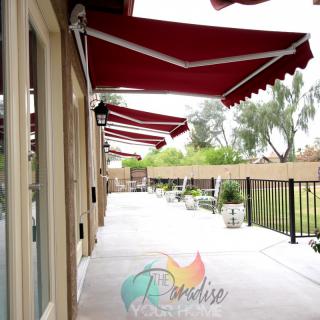
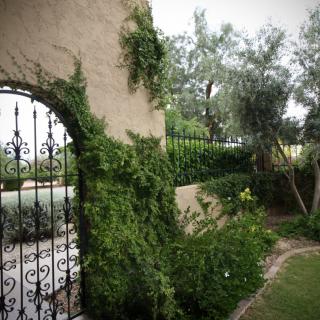
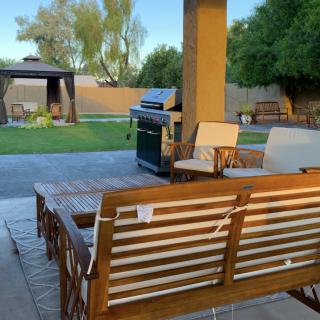
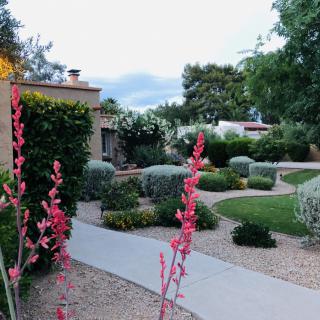
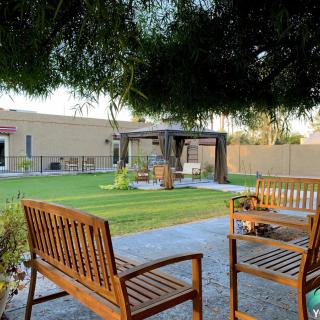
- The place is beautiful with a nice outdoor area and patio.
- The caregivers are amazing and truly love the residents, providing great care.
- Paradise Valley Senior Retreat has set the bar high in the assisted living market with competitive pricing and superior service.
Cons
 The 1 star review here is out of touch and a bogus review.
Review
This community is best suited for families seeking a warm, home-like setting where seniors are treated as part of the family and care comes with constant, attentive involvement from the owners. It excels for residents who do not require hospital-grade medical facilities but benefit from steady oversight, open family communication, and a small-house atmosphere that feels like a private home. The model works especially well for seniors who appreciate homemade meals, clean living spaces, and a daily rhythm that blends planned activities with plenty of personal interaction from staff who know them by name.
Those weighing alternatives should consider options with larger campuses or formalized medical ecosystems. If a loved one requires robust on-site nursing coverage, a wide array of rehabilitation services, or a dementia program with structured memory-care corridors, a bigger facility may deliver the depth of medical supervision and the breadth of programming that such needs demand. For families seeking resort-style amenities, high-capacity activity schedules, or highly specialized care tracks, this intimate setting may feel limited. In short, households prioritizing scale and formal clinical services should evaluate other communities.
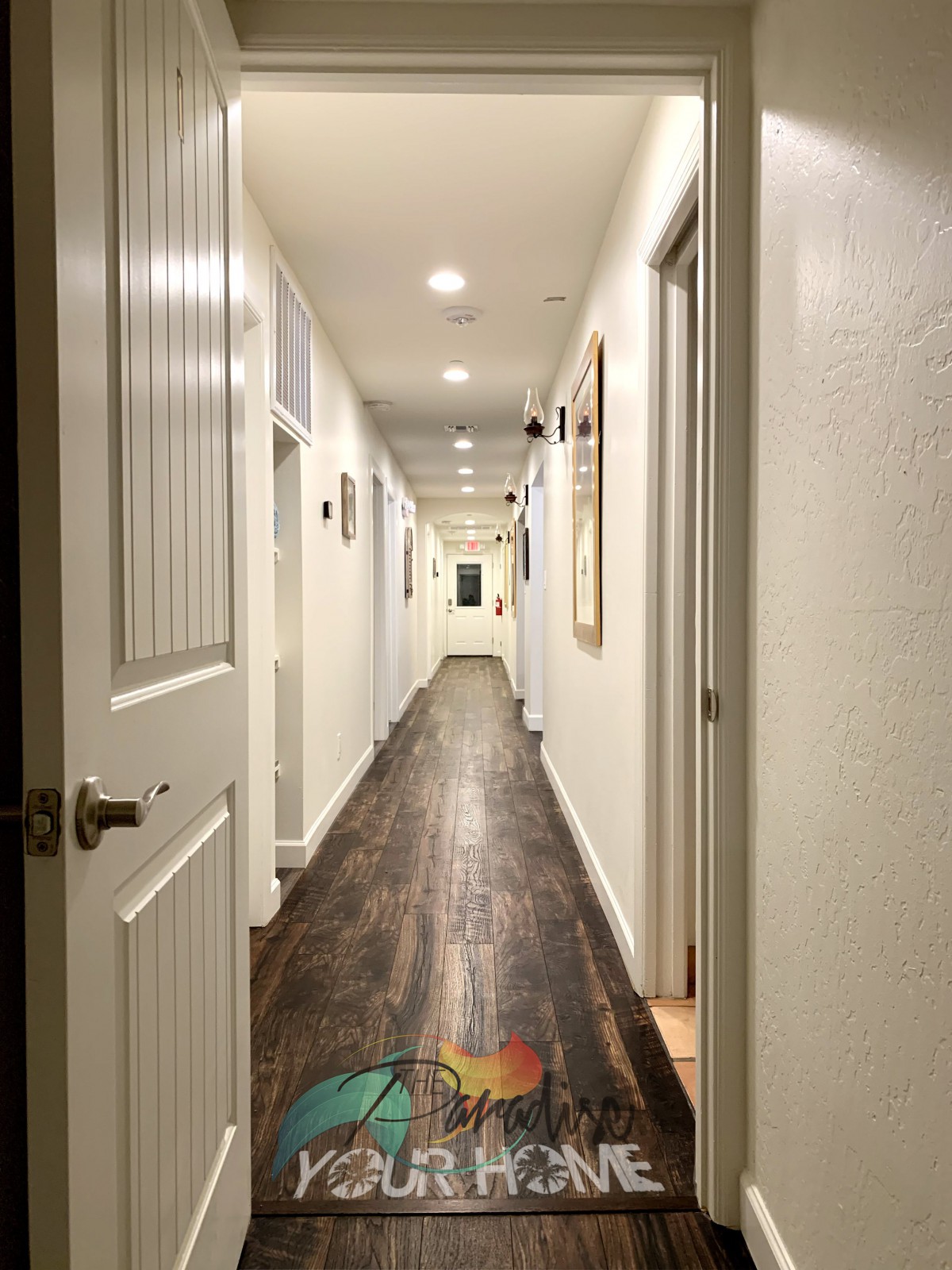
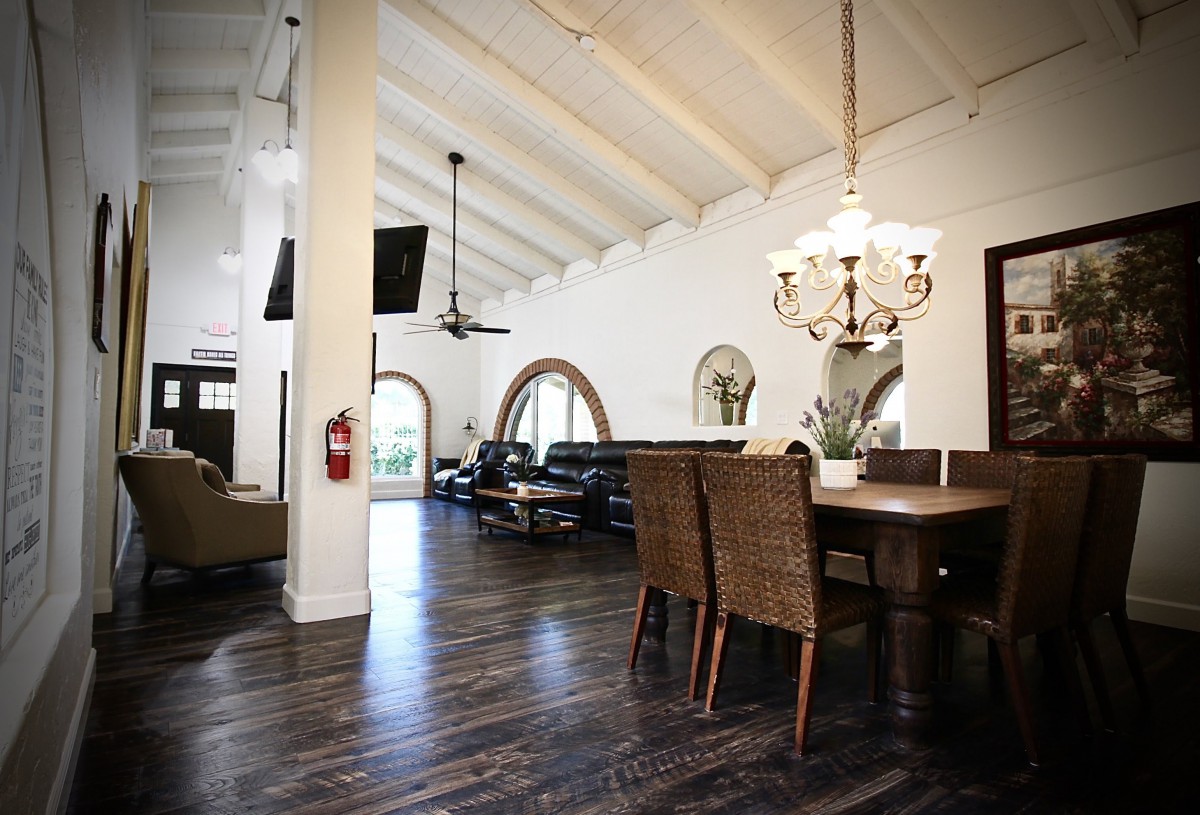
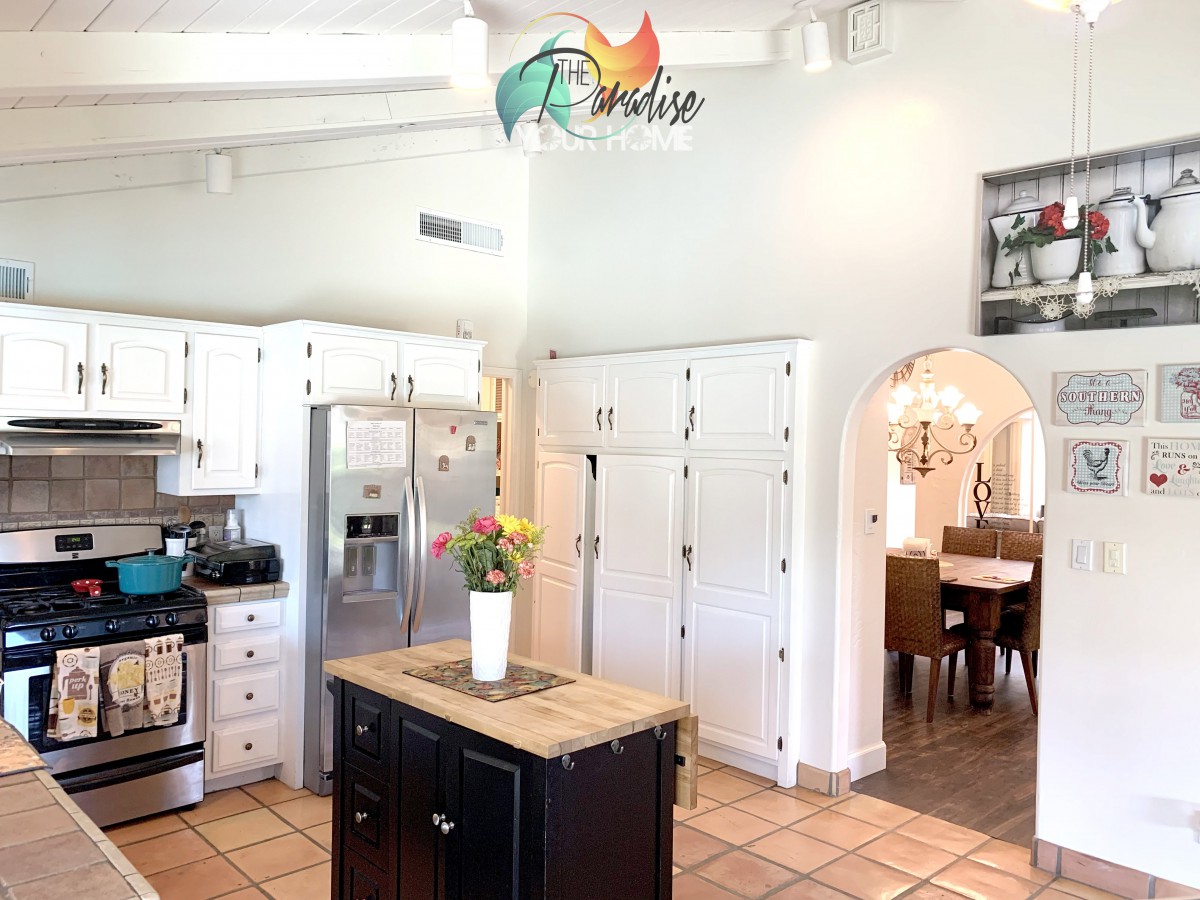
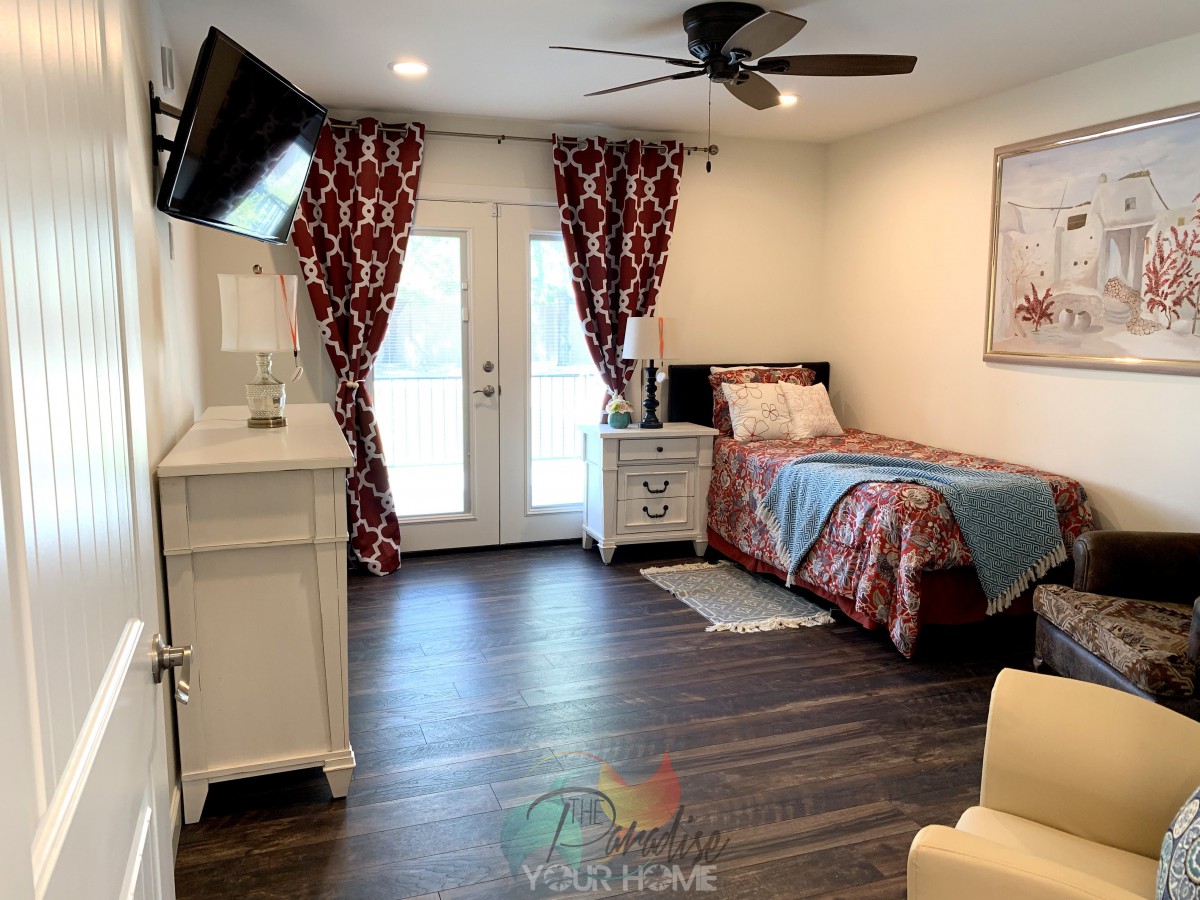
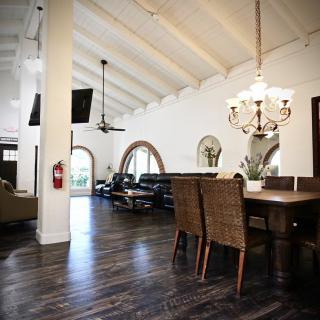
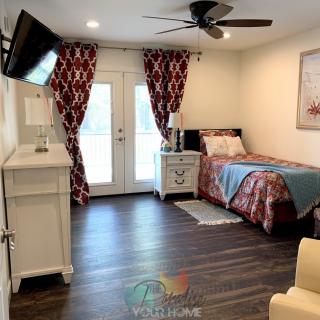
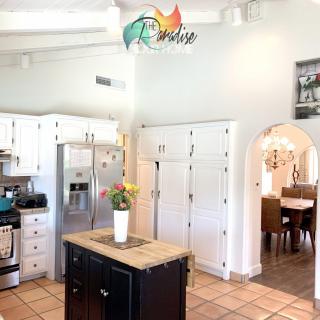
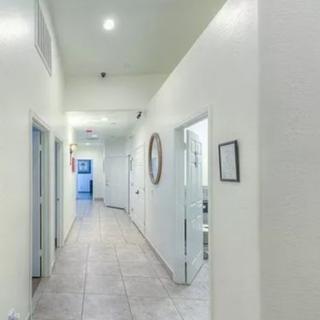
The strongest positives here revolve around people and pace. The care team is consistently described as loving, proactive, and deeply involved, with owners who are present around the clock. Families report thorough, respectful communication, regular updates, easy accessibility, and a willingness to tailor care to individual needs. The home-like environment, spacious, well-kept rooms with private patios, bright common areas, and an outdoorsy, inviting feel, complements the personal touch. Meals are a standout, described as homemade and nutritious, with a chef who adapts to residents’ tastes and dietary needs. The combination of attentive staff and high cleanliness creates a reliable sense of safety and comfort that other settings often struggle to match.
On the activity front, programming arrives with time and growth. Reviews note a spectrum of offerings, from music and crafts to bingo and light exercise, with plans to expand as enrollment grows. Residents who thrive on social engagement benefit from the visible, hands-on approach to programming and the option to participate or opt out as desired. Outdoor space is a plus, including larger patios and a gazebo area that invites gatherings or casual visits from family. The intimate scale means activities can be customized, and residents often feel bolstered by the sense that staff and owners know their preferences and routines intimately.
Where the conversation turns toward caveats, the discernible one is a small-house format that may not deliver the breadth of services found in larger communities. Occupancy tends to ebb, so staff-to-resident ratios and program diversity can fluctuate, possibly translating into slower ramp-ups of activity or fewer simultaneous offerings. There is one low rating among the reviews, signaling that dissatisfaction can occur in some circumstances, and it underscores the need for prospective families to verify alignment with specific expectations, such as thorough 24/7 medical oversight or a formal dementia program. Weighing these considerations against the proven strength of staff, family communication, and home-like atmosphere is essential.
Ultimately, the offset between strengths and potential limits is decisive. The exceptional caregiver culture, transparent family engagement, and consistent cleanliness create a compelling, low-stress environment where a loved one can thrive emotionally and nutritionally. The on-site, hands-on ownership model provides a level of accountability and flexibility that larger operators often dissociate from daily life. For families prioritizing genuine warmth, personalized attention, and a setting that feels like home, this community represents a top-tier choice worth pursuing. For those whose foremost needs are intensive medical services, robust rehab options, or highly structured, facility-wide dementia programming, alternatives should be explored with clear, specific checklists.
In practical terms, this community earns strong consideration for families seeking a nurturing, cost-conscious, highly personal senior-living option. Arrange a visit with the owners to observe daily routines, meet the caregiving team, and sample a meal. Ask about current resident-to-staff ratios, the exact scope of medical oversight, memory-care capabilities, and what’s included in the monthly rate. Confirm how emergencies are managed, how family updates are delivered, and how activities are scheduled as occupancy shifts. If these align with the loved one’s needs and preferences, Paradise Valley’s home-like approach is not just a good fit, it’s a decision that can deliver peace of mind and genuine day-to-day quality of life.
 Assisted Living
 Cats allowed
 Dogs allowed
 Activities on-site
 Air-conditioning
 Beautician on-site
 Cable or satellite TV
 Devotional services off-site
 Ground floor units
 Handicap accessible
 Indoor common areas
 Kitchenette
 Outdoor common areas
 Respite or short term stays offered
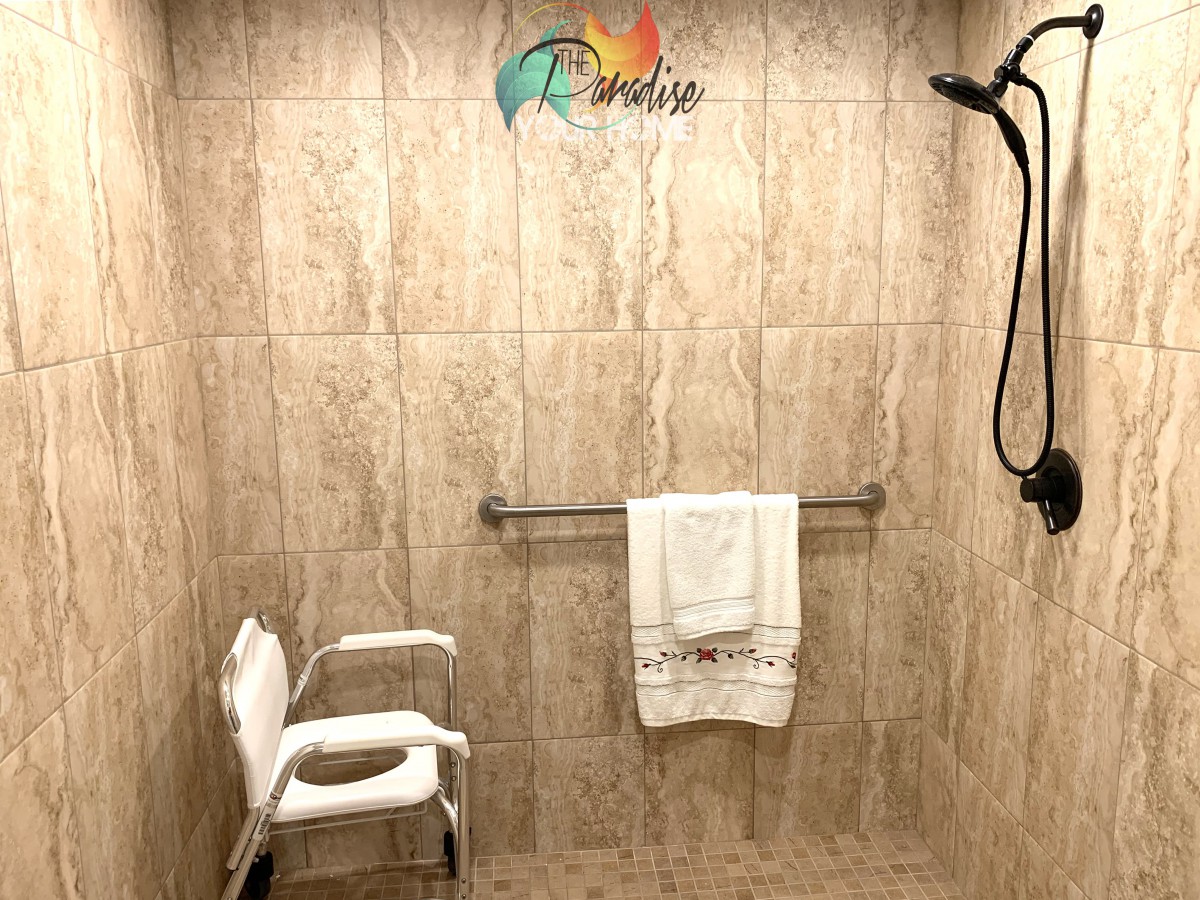
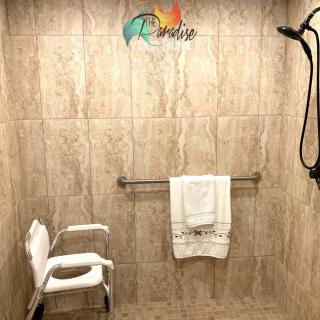
 Wheelchair accessible showers
 Wi-Fi/high-speed internet available
 Phoenix Sky Harbor International (8 miles away)
 Diabetic care
 Incontinence care
 Medication management
 Anytime dining
 Art classes
 Catholic services
 Educational speakers / life long learning
 Jewish services
 Beyond the Bingo Hall: 50+ Enriching Activities for Seniors in Assisted Living
 Understanding the Distinctions: Assisted Living and Memory Care Explained
 Guiding Elderly Parents Who Refuse Assisted Living: 6 Practical Steps