500 South Louise Lane, Cornville, AZ 86325
For more information about senior living options: (866) 208-4318
Overall Review of Living Spaces Assisted Living
Pros
 Living Spaces is described as the premier senior facility of its kind with a home-like atmosphere.
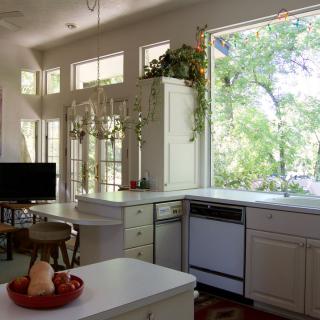
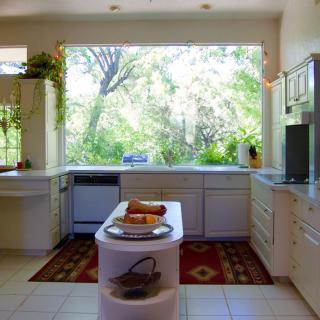
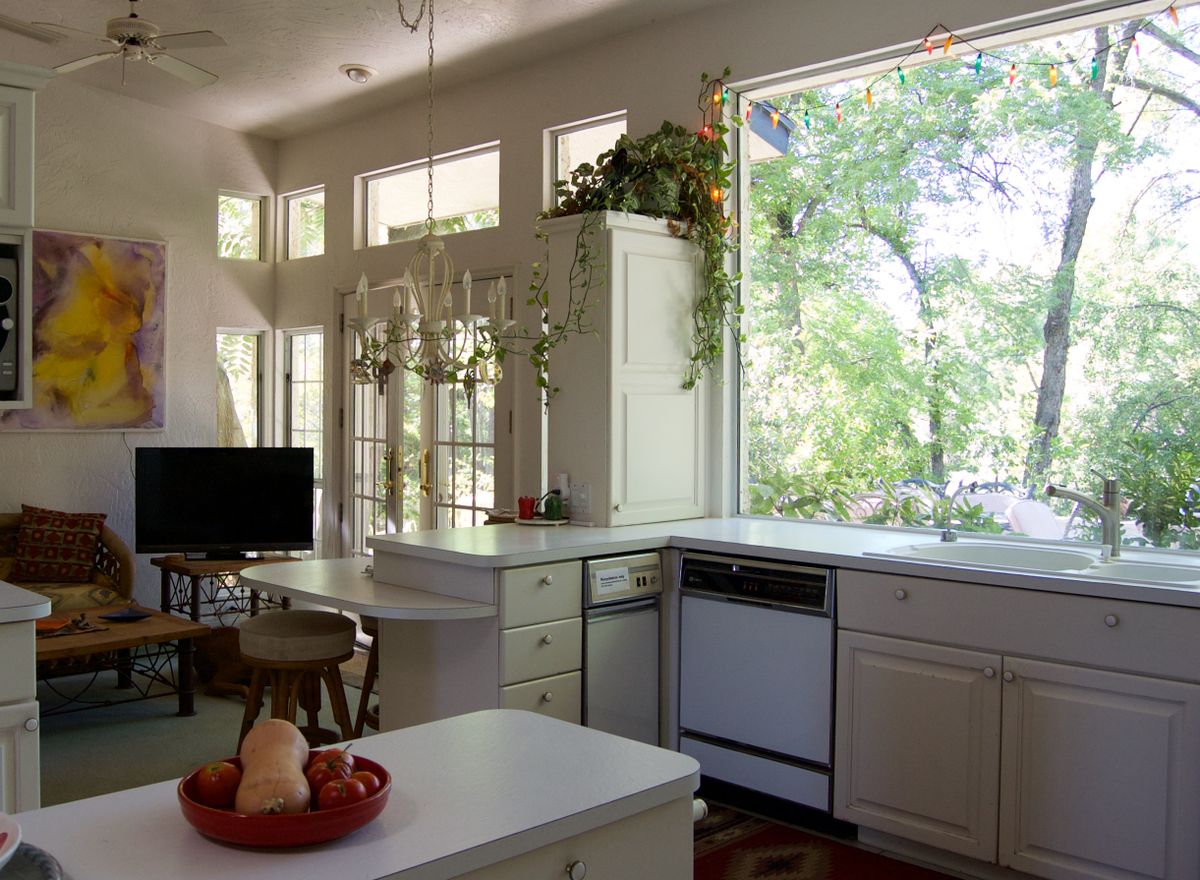
- It is outstanding inside and out, including a greenhouse where produce is grown.
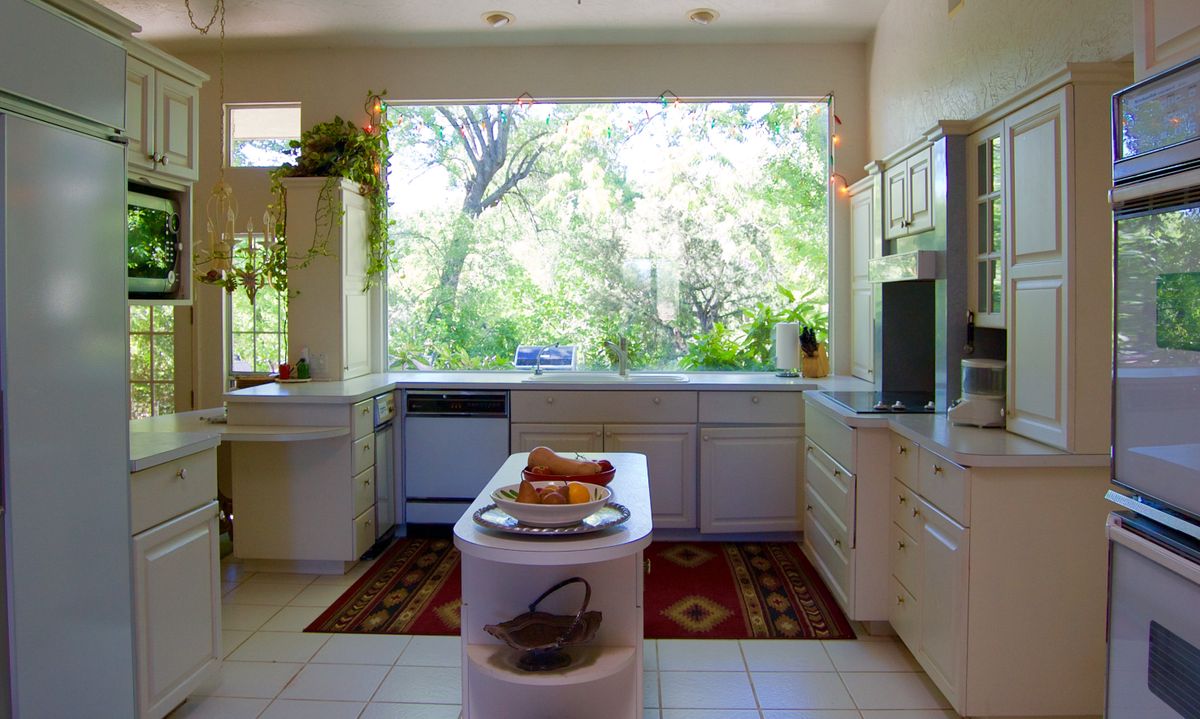
- The meals come from a great kitchen and are good.
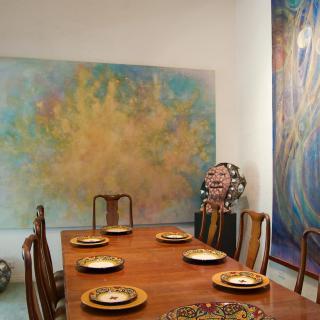
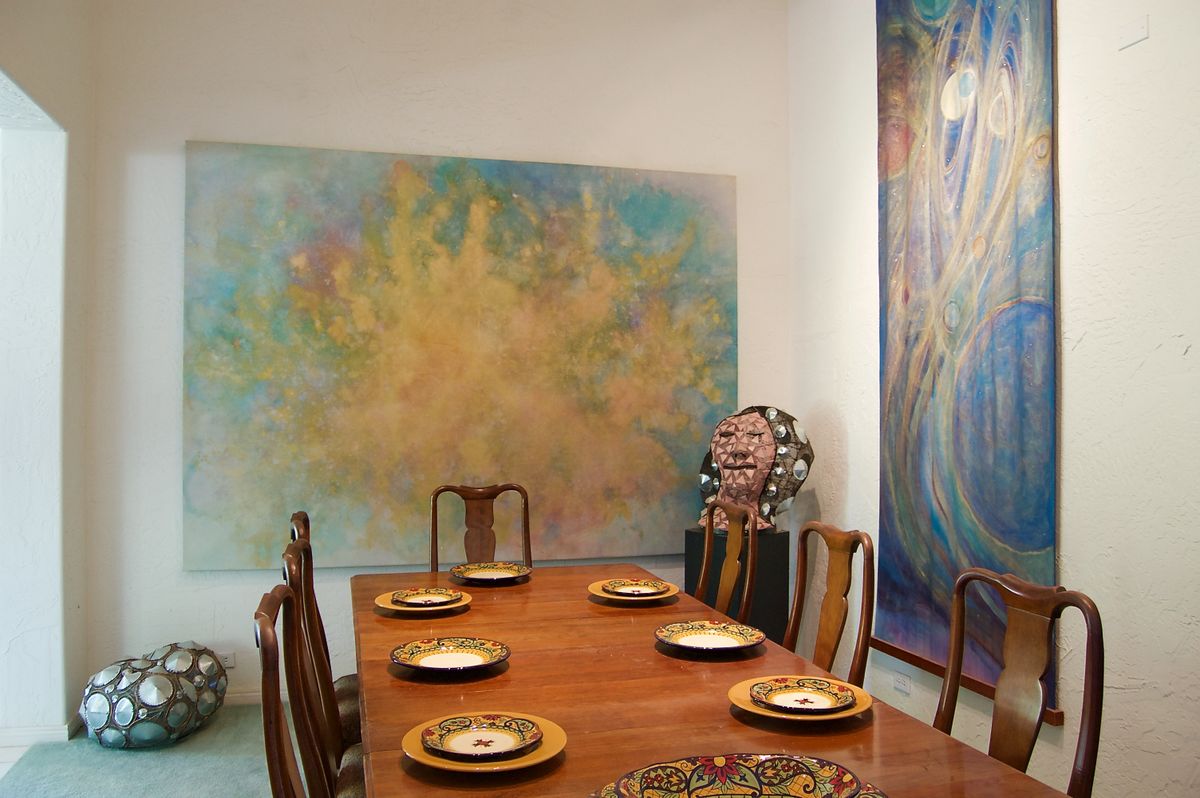
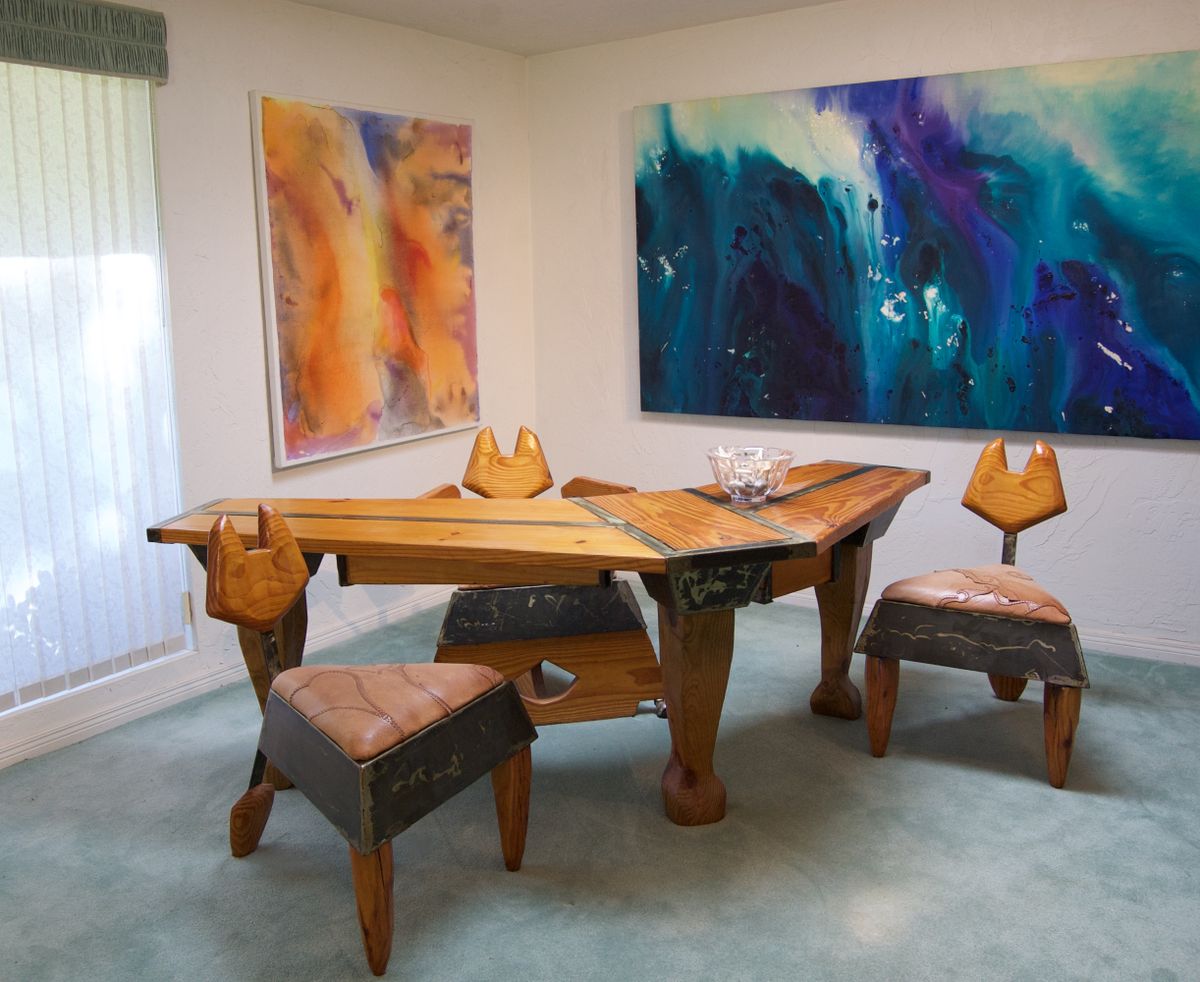
- The decor is nice, artful, and cozy, and the rooms are pleasant.
- LSAL's facility management and ambience are described as very satisfactory, with indications that guests would return.
Review
Living Spaces Assisted Living in Cornville, AZ is best suited for seniors who want a genuinely intimate, home-like setting where caregiving feels personal and attentive. This community shines for residents who thrive in a small, quiet environment, roughly a dozen or fewer residents, where staff can know preferences, routines, and health signals without the bustle of a larger campus. For families seeking a respite option to test care quality with a short stay, LSAL demonstrates the kind of dependable, homelike atmosphere that makes even challenging transitions smoother.
Those most likely to want alternatives are individuals anticipating significant medical complexity or memory-care needs that require specialized programming and consistent clinical oversight. The reviews showcase a warm, residential vibe and solid everyday living, but they do not present evidence of a full-scale medical model, memory-care design, or a broad activity slate associated with larger communities. Families evaluating longer-term stays for someone with advanced dementia, intensive nursing needs, or a preference for a wide range of outpatient services should compare LSAL against facilities that offer dedicated memory-care wings, on-site physicians, and more comprehensive rehabilitation options.
The strongest pro here is the emphatic sense of home and comfort. A greenhouse and garden-to-table approach translate into meals that feel thoughtfully prepared rather than generic facility fare, a quality edge that can matter for appetite, mood, and overall well-being. The decor is described as artful and cozy, and rooms are noted as appealing, which matters for daily life and the willingness of residents to settle in and participate in routines. In a setting this small, the warmth of the environment tends to translate into more consistent supervision, easier communication with caregivers, and quicker response to preferences and needs, factors that offset any concerns about limited on-site services.
A second meaningful benefit is experiential care during respite scenarios. The account of a two-day respite stay for a spouse with PSP arriving into a satisfactory facility management atmosphere and returning with a favorable impression signals a plausible strength: short-term stays can be a reliable litmus test for consistency of care, staff responsiveness, and overall ambiance. For families weighing a trial period or a temporary relief option, that kind of demonstrated stability carries weight well beyond glossy brochures. It suggests that LSAL can deliver predictable, humane care when the need is temporary, which is a strong offset to the absence of more expansive medical programming.
Yet the small scale inevitably carries trade-offs. The most plausible drawbacks relate to capacity for high-acuity medical supervision, memory-care specialization, and the breadth of activities typically found in larger communities. While the two reviews sing praises about atmosphere, food, and comfort, they do not present evidence of extensive clinical staffing, advanced wound care, or structured cognitive-stimulation programs. For someone requiring continuous nursing oversight, IV therapy, complex medication management, or a formal memory-care environment, LSAL should be viewed as a warm, supportive home rather than a comprehensive medical solution.
Putting the positives and caveats together, LSAL’s appeal is clear: its strengths lie in intimate, person-centered living, quality food and ambiance, and the credibility gained from positive short-term care experiences. Those considering it should enter with a clear understanding that the value rests in daily life quality, relationship-driven care, and a serene setting rather than breadth of services. Pros offset the lack of scale by delivering predictability, personalization, and genuine comfort that can be decisive for families prioritizing dignity and consistency over variety and clinical depth. A prudent next step is to visit, observe interactions, meet the caregiving team, and discuss staff-to-resident ratios, then weigh whether this home-like model aligns with the particular health needs and long-term plans for the senior involved.
In the end, Living Spaces Assisted Living presents a strong case for individuals who want a small, well-tended, convivial home environment with high caregiver engagement and reliable respite options. It is not the choice for those requiring robust medical facilities or specialized memory-care infrastructure. For the right resident, someone who values warmth, good meals, and a peaceful, porch-light lifestyle, LSAL offers a compelling, confident recommendation grounded in tangible everyday quality and demonstrable care experiences.
 8 resident community capacity
 Assisted Living
 Cable or satellite TV
 Dining room
 Fully furnished
 Garden
 Housekeeping services
 Move-in coordination
 Outdoor space
 Small library
 Telephone
 24-hour supervision
 Activities of daily living assistance
 Assistance with bathing
 Assistance with dressing
 Assistance with transfers
 Diabetes diet
 Meal preparation and service
 Medication management
 Special dietary restrictions




 Comprehensive Supportive Living Arrangements for Adults with Disabilities
 Funding and Affording Assisted Living: A Thorough Overview
 Assisted Living Expenses and Long-Term Care Insurance: A Comprehensive Exploration