
2053 E Torrey Pines Lane, Chandler, AZ 85249
To contact a resident: (480) 632-0526
For more information about senior living options: (866) 208-4318
Torrey Pines Manor Costs & Pricing
Torrey Pines Manor offers competitive pricing for its residents compared to the broader market in Maricopa County and throughout Arizona. For semi-private accommodations, the monthly fee at Torrey Pines Manor is $2,000, significantly lower than the county average of $2,801 and the state average of $2,820. Similarly, for those seeking private rooms, the cost at Torrey Pines Manor stands at $2,500 - again more affordable than both Maricopa County's average of $3,318 and Arizona's overall average of $3,345. These rates reflect Torrey Pines Manor's commitment to providing quality care at accessible prices, ensuring that residents receive exceptional value in a nurturing environment.
| Floor plans | Torrey Pines Manor | Maricopa County | Arizona |
|---|---|---|---|
| Semi-Private | $2,000 | $2,801 | $2,820 |
| Private | $2,500 | $3,318 | $3,345 |
Senior living communities with a similar price nearby
-
from -$139 / mo

Endeavor Senior In-Home - Mesa
$1,861 / month12.7 miles away -
About the same
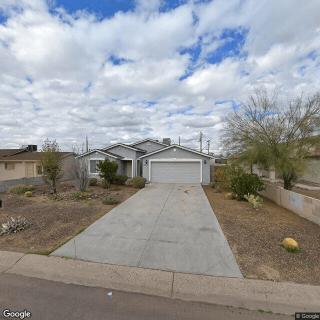
Garcia's Assisted Living Home LLC
$2,000 / month18.1 miles away -
About the same
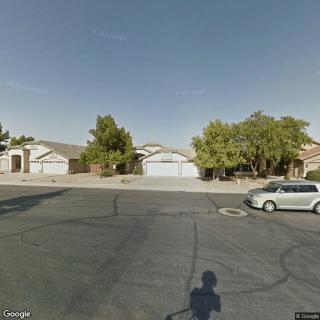
Santo Nino Villas 2
$2,000 to $2,300 / month5.7 miles away -
About the same
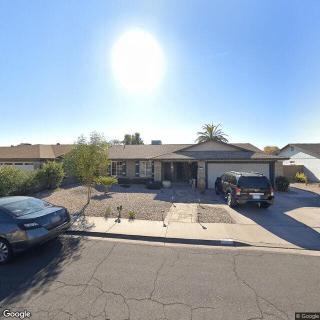
Martha Bonilla Care Loving Home
$2,000 to $2,200 / month11.0 miles away -
About the same
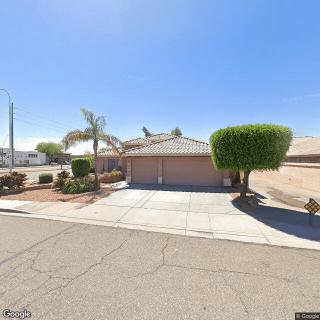
Angel's Adult Group Home
$2,000 to $3,000 / month11.9 miles away
Overall Review of Torrey Pines Manor
Pros
 Both of the owner's homes were great.
- The reviewer would be comfortable using either of the owner's homes.
- The home is suitable for mom.
Review
Torrey Pines Manor in Chandler is best suited for families seeking a small, home-like setting where mom can receive attentive, hands-on care under the direct oversight of the owner-operators. The arrangement appears to deliver a warm, personal touch, with a sense that caregivers know residents well and can tailor daily routines without the friction of a large corporate bureaucracy. The reviewer’s note that both owner-operated homes are equally solid signals a consistent standard of care and a stability of personnel you can count on, which translates into practical peace of mind for families weighing a hands-on, intimate alternative to a larger community.
Those needing a more formal, program-driven environment, or memory-care specific expertise, may want to look elsewhere. If 24/7 nursing coverage, structured activity calendars, or extensive rehabilitation services are non-negotiable, the intimate setup may fall short. Families juggling complex medical schedules or seeking a broad social ecosystem in which peers regularly convene might find the smaller scale limiting. Location in Chandler is convenient for many, but the decision hinges on the match between mom’s care needs and what a two-person-plus-home operation can reliably deliver.
The strongest pro is the personal ownership model. Direct access to the owners means quick decisions, flexible accommodations, and a care philosophy anchored in trust. The sense that care decisions originate with people who have a vested interest in every resident’s well-being translates into clearer communication, quicker issue resolution, and routines that adapt to mom’s preferences rather than forcing adaptation to a preset system. The indication that the reviewer would be comfortable using either of the owner’s homes reinforces the expectation of steady personnel and a consistent standard of safety and comfort.
However, critical questions remain unanswered. There is scant detail on staffing levels, caregiver credentials, daily activities, meals, transportation, or emergency protocols. The absence of this information doesn’t negate quality, but it does complicate a decision for families balancing safety with independence. Prospective residents should verify whether the care team can manage common needs such as mobility support, medication management, and changes in health status, and whether out-of-area medical coordination or rapid escalation of problems is feasible within the small-household model.
On balance, the pros offset the typical cons for a mom who prioritizes warmth, continuity, and a simple, non-institutional living experience. The intimate setting often yields lower caregiver turnover, more frequent check-ins, and a home-like dining and living rhythm that many seniors value. If mom’s needs are basic assistance with activities of daily living and companionship, this model can outperform larger facilities in terms of comfort and dignity. The key is alignment: if the expectation is a boutique, caregiver-led environment with the flexibility to personalize, Torrey Pines Manor can satisfy that craving and deliver a dependable, human-centered caregiving experience.
Actionable next steps are clear. Arrange a direct visit, meet the owners and any on-site staff, and review a written care plan that outlines daily schedules, staffing coverage, medication handling, and safety features. Ask for references from other families, inspect the living spaces and neighborhood, and confirm pricing inclusions versus add-ons. Clarify licensing status, background checks, and what happens if mom’s care needs evolve. If the response is positive and the fit feels right after a trial period, Torrey Pines Manor stands out as a practical, trusted choice for families seeking a true home setting with hands-on ownership at the helm.
 Board and Care Home
 Cats allowed
 Dogs allowed
 Activities off-site
 Bath tubs
 Beautician on-site
 Devotional services off-site
 Indoor common areas
 Outdoor common areas
 Private
 Private bathrooms
 Wheelchair accessible showers
 Phoenix Sky Harbor International (19 miles away)
 Ambulatory care
 Diabetic care
 High acuity care
 Incontinence care
 Kosher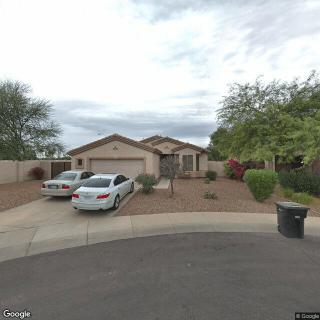




 Exploring Nonmedical Home Care: Understanding Services, Costs, and Financial Approaches
 Engaging Brain Games and Innovative Apps to Keep Senior Minds Active
 Effective Strategies for Keeping Seniors' Minds Active: A Deep Dive into Brain Games and Apps