
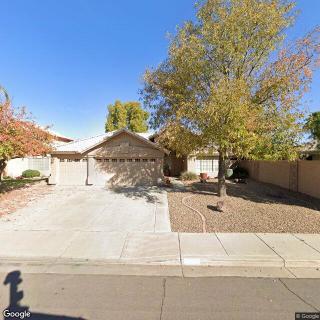
5372 West Geronimo Street, Chandler, AZ 85226
For more information about senior living options: (866) 208-4318
Overall Review of The Garden's Well Assisted Living
Pros
 The staff at Grace Assisted Living Home provide kind, expert care in a professional environment.
- Grace Assisted Living Home is caring, clean, and accommodating in every way.
- The ladies at the home are caring, considerate, and competent, always ready to share information about residents’ well-being.
- The home offers a clean, inviting atmosphere with caring staff.
- Becky, Stacey, and Judy treat residents as treasured and respected family members.
- Families can rest easy knowing their loved ones are well cared for during recovery.
- There is open communication between staff and families, with a supportive, attentive team.
- The staff listen to residents’ needs and go the extra mile to make them comfortable.
Cons
 The reviewer alleges Grace Assisted Living is violating patient care rights.
- They claim residents are charged $3,700 per month for a room phone, yet cannot be connected to patient rooms when called.
- They allege the staff do not identify themselves when contacted.
- They assert that vulnerable adult patients are financially exploited.
- They claim the facility changed its phone number on Google several times within days.
- They describe the place as dishonest and shady.
Review
The Garden’s Well Assisted Living, as reflected in these reports, is best suited for families seeking an intimate, home-like environment in Chandler where residents receive highly personalized, hands-on care from a small team. This model works particularly well for individuals who benefit from a tight-knit setting, where staff know each resident’s routines, preferences, and medical needs, and for families prioritizing open and frequent communication with caregivers. It also suits residents who are navigating stroke recovery or dementia-related challenges and who will thrive with a calm, non-clinical atmosphere that emphasizes warmth, consistency, and direct access to caregivers.
Alternatives to consider emerge for families needing a different scale or a more traditional institutional profile. If a resident requires on-site medical specialists, broader social programming, or a campus with more extensive amenities and activities, a larger assisted living or memory-care community may be preferable. Some families may also prefer a setting with less reliance on the day-to-day interpersonal dynamics of a five-resident home, or with more formalized procedures around privacy, billing, and regulatory compliance. A small, private-home model can feel perfect for many, but it can also limit certain services and social options that larger facilities routinely offer.
On the plus side, the strongest advantages here are the staff commitments and the atmosphere. Caregivers are described as genuinely caring, patient, and consistently attentive, with staff members going the extra mile to document progress, answer questions, and keep families informed. The home-like setting, the feeling of being in a family-owned environment, and the consistent presence of a small, stable team foster trust and reduce the caregiver burden on families. The result is a level of reassurance that a loved one is not just housed, but actively supported every day, with real-time collaboration between families and caregivers during visits.
However, the key drawbacks flow from the same small-scale model. With space for only a handful of residents, opportunities for socialization and structured activities can be limited, especially for residents who crave variety or who benefit from more formal programming. The intimate setting also implies a high degree of reliance on staff continuity; turnover or illness can have outsized effects on daily routines. While the reviews are overwhelmingly positive, one report raises concerns about privacy, resident rights, and financial aspects, noting issues around phone access, identification, and safeguarding, though several other accounts push back, praising compliance and strong communication. Weighing these views, it becomes clear that potential families must assess whether the privacy and governance standards align with their expectations.
In the end, the favorable factors offset the concerns when the priority is a compassionate, highly attentive, home-like care experience. This model excels for residents who value frequent eye-to-eye interactions with caregivers, immediate responsiveness, and a setting that feels like a trusted family home rather than a large campus. For families who need robust on-site medical services, wider social programming, or a more formal, facility-wide governance structure, alternatives may offer better alignment. When deciding, focus on whether the top priority is consistent, loving daily care and transparent, frequent family communication, or whether the emphasis should be on scale, formal programming, and a broader medical support network. In the right fit, the home-style approach delivers peace of mind that is hard to match.
 5 resident community capacity
 Assisted Living
 Board and Care Home
 Respite Care
 Cable or satellite TV
 Dining room
 Fully furnished
 Garden
 Housekeeping services
 Move-in coordination
 Outdoor space
 Telephone
 Wi-Fi/high-speed internet available
 Phoenix Sky Harbor International (11 miles away)
 24-hour supervision
 Activities of daily living assistance
 Assistance with bathing
 Assistance with dressing
 Assistance with transfers
 Diabetes diet
 Meal preparation and service
 Medication management
 Special dietary restrictions
 Transportation arrangement (medical)
 Transportation to doctors appointments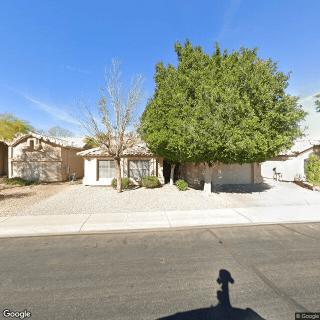





 An Extensive Exploration of the VA Aid and Attendance Benefit
 Senior Transition Services: Understanding Their Role, Cost, and Importance
 Exploring the Path to Senior Living: A Comprehensive Look at Independent Living and Assisted Living