
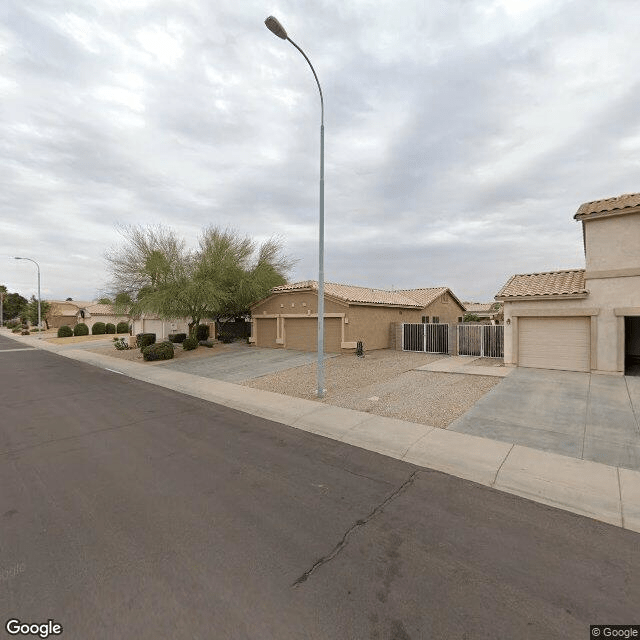
1061 E Powell Way, Chandler, AZ 85249
To contact a resident: (480) 374-0301
For more information about senior living options: (866) 208-4318
Divine Mercy Assisted Living Home Costs & Pricing
Divine Mercy Assisted Living Home offers competitive pricing for its residents compared to the averages in Maricopa County and the broader state of Arizona. For instance, a studio at Divine Mercy is priced at $2,005 per month, significantly lower than the county average of $3,960 and the state average of $3,829. Similarly, their one-bedroom units are available for $2,530, which is notably more affordable than both the county's average of $3,473 and the state's average of $3,532. Even their two-bedroom options are competitively priced at $3,110 compared to Maricopa County's average of $4,112 and Arizona's overall average of $4,106. This strategic pricing positions Divine Mercy as an appealing choice for families seeking quality assisted living solutions without compromising on care or comfort.
| Floor plans | Divine Mercy Assisted Living Home | Maricopa County | Arizona |
|---|---|---|---|
| Studio | $2,005 | $3,960 | $3,829 |
| 1 Bedroom | $2,530 | $3,473 | $3,532 |
| 2 Bedrooms | $3,110 | $4,112 | $4,106 |
Assisted Living communities with a similar price nearby
-
About the same
Angel's Adult Group Home
$2,000 to $3,000 / month10.5 miles away -
from +$250 / mo

Windsor Luxury Assisted Living, LLC
$2,255 to $5,950 / month21.7 miles away -
from +$220 / mo
Harts Home - Exceptional Elder Care
$2,225 to $5,500 / month24.0 miles away -
from -$205 / mo
Divine Grace Assisted Living Home
$1,800 to $2,500 / month15.9 miles away -
from +$195 / mo
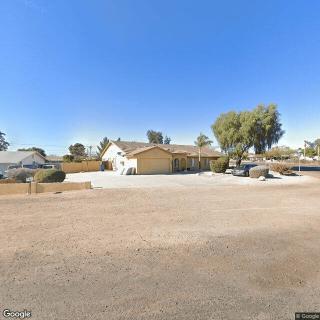
Desert Springs Communites
$2,200 to $2,500 / month17.2 miles away
Overall Review of Divine Mercy Assisted Living Home
Pros
 The home is very clean and always welcoming.
- The staff are gentle and always smiling.
- They care for their residents as if they are their own family.
- The home is above and beyond wonderful.
- Alice is among the most caring and loving caregivers mentioned.
- Residents look happy under Alice's care.
- Alice and her staff are amazing, loving, and go out of their way to make each resident feel special.
- Even skeptical visitors are impressed by Alice and her home, with no reservations about placing a loved one in their care.
- Divine Mercy is highly recommended for elder care.
Review
Divine Mercy Assisted Living Home in Chandler is best suited for families seeking a small, home-like setting where daily care feels personal, attentive, and genuinely compassionate. This community excels for seniors who value a warm atmosphere, meticulous cleanliness, and staff who treat residents with the tenderness of family. It is a fit for those who want consistent, hands-on care from a close-knit team led by a highly involved owner/operator, and for families prioritizing dignified end-of-life support within a caring, homelike environment. In short, this is the choice for residents who thrive on personal connection, respect, and a sense of being cared for as individuals rather than as patients.
Those considering alternatives should evaluate options if medical complexity is high or if a larger campus with more formalized clinical services is required. For elders needing around-the-clock nursing supervision, on-site licensed medical staff, extensive memory-care protocols, or a broader calendar of therapy and activity programs, a bigger assisted living or a dedicated memory-care community may be more appropriate. Likewise, families seeking aggressive rehabilitation services, multiple on-site specialists, or expansive recreation offerings could find such resources elsewhere. The intimate scale of Divine Mercy makes it exceptional in warmth and attention, but it may not satisfy every level of clinical need or lifestyle preference.
The strongest advantages are the consistently high touch and the home atmosphere. Cleanliness and a welcoming ambiance permeate the facility, reinforcing a sense of safety and pride in the living environment. The caregiving style is gentle, patient, and deeply respectful, with staff who go beyond standard expectations to make residents feel valued. Several accounts highlight care that extends into the small but meaningful daily acts, like personal hygiene and comfort, that illustrate a level of attentiveness that translates into real peace of mind for families. The staff’s willingness to treat each resident like a beloved family member translates into noticeable emotional well-being for residents.
A practical takeaway is how these pros offset the potential limits of a smaller operation. While the home’s intimate scale may not host every service or program found in larger communities, the demonstrable dedication of the caregiving team often compensates with reliability, predictability, and consistency. Families repeatedly hear that staff members remember routines, preferences, and needs, and that the environment remains clean and orderly. The personal touch, paired with a warm, respectful culture, tresents a compelling value proposition for residents who place a premium on human connection, dignity, and a sense of being “at home” rather than in a more clinical setting.
For families evaluating a visit, focus on practical indicators of fit. Observe how staff interact with residents; ask whether there is reliable on-site nursing coverage, and how care plans are developed and updated. Inquire about daily schedules, activity options, and how end-of-life and comfort care are managed. Clarify emergency procedures, responsiveness, and family communication protocols. Tour the living areas, kitchens, and bedrooms for cleanliness and upkeep, and talk to a few current families about communication, transparency, and consistency of care. A tour will often reveal whether the atmosphere aligns with the warmth described in testimonials and whether the level of hands-on care matches the loved one’s needs.
Ultimately, Divine Mercy Assisted Living Home stands out for families seeking a deeply human, attentive caregiving environment. It is a compelling option for seniors who flourish in a small, affectionate setting and for those who want assurance that staff will treat their loved one with ongoing kindness and respect. However, it is less suited for residents requiring intensive medical oversight, rapid access to specialized therapies, or expansive programming typical of larger facilities. The decisive factor is the balance between emotional security and clinical capacity: for many families, the former is the defining strength, and it makes Divine Mercy a highly credible, trustworthy choice for a loved one who needs a compassionate, home-centered living arrangement.
 Assisted Living
 Activities on-site
 Devotional services off-site
 Indoor common areas
 Phoenix Sky Harbor International (17 miles away)
 Ambulatory care
 Diabetic care
 Meals provided



 8 Key Indicators That Suggest It May Be Time to Transition from Assisted Living to Skilled Nursing Care
 Vibrant Senior Living: A Comprehensive Guide for Active Older Adults
 When to Transition from Assisted Living to Memory Care: Key Indicators, Steps, and Finding the Right Community