
660 North Beck Avenue, Chandler, AZ 85226
For more information about senior living options: (866) 208-4318
Overall Review of Assisted Living By Sholt
Pros
 The home is nice and clean.
- It is secured with alarms, and gates and doors are kept locked to ensure safety.
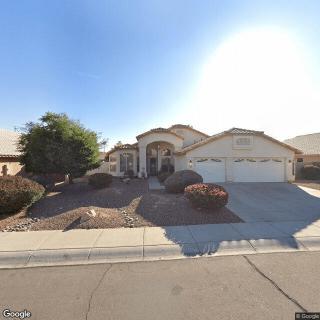
- The property features a large, fenced yard with a spa.
- Residents are reviewed every 60 days by a team including a neurologist, psychiatrist, psychologist, and house staff, with family involvement in the care plan.
- Three meals and snacks are provided, and the food is home-cooked and great.
- Staff take residents out for activities such as bowling, shopping, movies, ball games, and breakfasts.
- Families are encouraged to be involved in the care process.
- The owner and staff are highly regarded, and residents are well cared for.
Cons
 The facility only accepts residents with traumatic brain injury or behavioral problems, excluding others.
- It does not admit residents with Alzheimer's or dementia, limiting eligibility.
- Private rooms exist, but bathrooms are shared, reducing privacy for residents.
Review
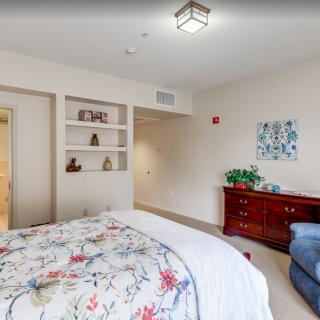
Assisted Living By Sholt in Chandler is a practical fit for younger adults who live with traumatic brain injury or behavioral challenges and require tight medical oversight within a small, home-like setting. The community emphasizes a contained, structured environment over traditional elder care, with all rooms private but bathrooms shared. The resident group is deliberately limited in number and age, roughly five individuals between 21 and 60, so the care team can deliver highly personalized attention. A multidisciplinary approach anchors the operation: a care plan is actively reviewed by specialists, and families are invited to participate in shaping ongoing treatment. For families navigating complex neurobehavioral needs, this combination of targeted clinical input and intimate daily management makes the model unusually practical and focused.
Alternatives become compelling for several clear reasons. This facility does not serve Alzheimer’s or dementia residents, nor does it accommodate typical aging in place for seniors who over time require memory-care supports. Those seeking a larger campus, broader memory-care programming, or more traditional elder-care experiences with independent living options may be better served elsewhere. The private-room-with-shared-bathroom arrangement may also deter families prioritizing maximum privacy. And for anyone looking for a setting with robust 24/7 on-site nursing or a hospital-like cadence, the boutique, specialized model here will feel too narrow. In short, the strongest caveat is misalignment with residents whose needs lie outside the targeted TBI/behavioral spectrum.
The strongest pros, depth of oversight, disciplined care planning, and family involvement, tend to offset the notable limitations. The care model relies on a coordinated team that includes neurology and mental-health professionals, ensuring behavioral plans and medical strategies stay current. Regular 60-day reviews drive accountability and allow plans to evolve with progress or new challenges, a level of rigor that is often missing in larger, less specialized settings. Meals are home-cooked, with three meals and snacks included, and food quality is highlighted as a standout. Social programming is robust for a small house: outings for bowling, shopping, movies, and breakfasts, plus in-house activities and celebrations. The secure, orderly environment, with alarms, locked gates, and a fully fenced yard, adds a layer of safety crucial to this population, where containment and supervision are essential.
On balance, the daily life at this home supports progress without sacrificing a sense of community. Residents experience structured routines, meaningful activities, and frequent opportunities for family engagement, which helps maintain continuity of care outside formal sessions. The owner and staff receive praise for attentiveness and for cultivating a caring ethos; that relational trust often translates into smoother transitions, better behavior management, and more reliable adherence to care plans. However, the small scale inherently limits certain conveniences and amenities that larger facilities offer, and the shared bathrooms can undermine privacy for residents and families accustomed to complete en-suite arrangements. Prospective families should weigh the value of focused clinical attention and family collaboration against the desire for greater privacy and a more traditional elder-care experience.
The practical takeaway is clear: this community excels for eligible residents whose needs converge on intensive supervision, targeted behavioral support, and high-touch family involvement in a compact, secure setting. It is not the right fit for seniors seeking dementia care, extensive privacy, or expansive campus amenities. For families evaluating options in Chandler, a candid tour should be pursued to confirm fit with the resident’s clinical profile and personal preferences, especially around bathroom arrangements, the cadence of clinical reviews, and the degree of daily social programming desired. In the right scenario, Assisted Living By Sholt offers a disciplined, compassionate pathway to safer, more engaged living, one that prioritizes specialized care, measurable progress, and active family partnership.
 5 resident community capacity
 Studio apartments
 Assisted Living
 Board and Care Home
 Respite Care
 Skilled Nursing Facility
 Cable or satellite TV
 Dining room
 Fully furnished
 Garden
 Housekeeping services
 Laundry
 Move-in coordination
 Outdoor space
 Telephone
 Wi-Fi/high-speed internet available
 Phoenix Sky Harbor International (9 miles away)
 Transportation & parking
 24-hour supervision
 Activities of daily living assistance
 Assistance with bathing
 Assistance with dressing
 Assistance with transfers
 Diabetes diet
 Meal preparation and service
 Medication management
 Special dietary restrictions
 Transportation arrangement (medical)
 English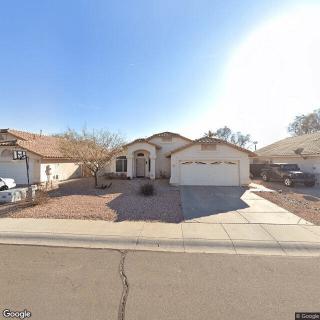



 Assisted Living Support for Veterans: A Complete and Detailed Overview
 Exploring the Contrasts Between Assisted Living and Skilled Nursing
 8 Key Indicators That Suggest It May Be Time to Transition from Assisted Living to Skilled Nursing Care