

1301 N Park Ave, Casa Grande, AZ 85122
To contact a resident: (480) 628-5923
For more information about senior living options: (866) 208-4318
Medisys Assisted Living Home LLC Costs & Pricing
Medisys Assisted Living Home LLC offers competitive pricing for its residents, particularly when compared to the wider financial landscape of Pinal County and the state of Arizona. For a semi-private room, Medisys charges $1,700 per month, significantly lower than both the county's average of $2,798 and the state average of $2,820. Similarly, for private accommodations, Medisys's rate of $2,400 is advantageous compared to Pinal County's average of $3,209 and Arizona's overall average of $3,345. This favorable pricing structure not only highlights Medisys's commitment to providing accessible senior care but also underscores its value as an affordable option for families seeking quality assisted living services in a competitive market.
| Floor plans | Medisys Assisted Living Home LLC | Pinal County | Arizona |
|---|---|---|---|
| Semi-Private | $1,700 | $2,798 | $2,820 |
| Private | $2,400 | $3,209 | $3,345 |
Senior living communities with a similar price nearby
-
from +$305 / mo
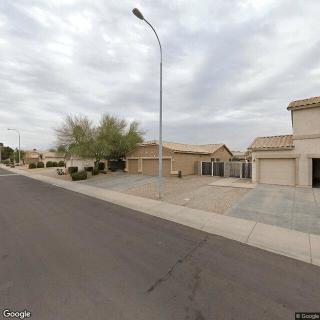
Divine Mercy Assisted Living Home
$2,005 to $3,110 / month24.5 miles away -
from +$300 / mo
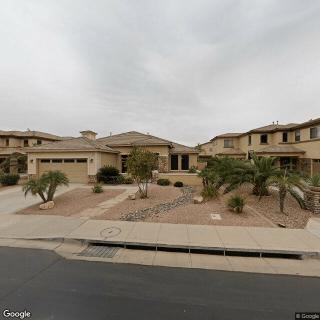
Providence Manoir Assisted Living
$2,000 to $2,600 / month22.4 miles away -
from +$275 / mo

Renaissance Luxury Senior Apartments
$1,975 to $2,649 / month24.2 miles away -
from +$300 / mo
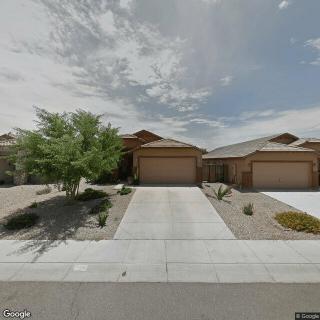
Everlasting Assisted Living
$2,000 to $2,500 / month23.0 miles away -
from +$300 / mo

Lakeside Assisted Living Home
$2,000 to $2,200 / month23.3 miles away
Overall Review of Medisys Assisted Living Home LLC
Pros
 Medisys Assisted Living Home offers a small facility with a home-like environment.
- The caregiver-to-resident ratio is high, indicating attentive care.
- The staff are friendly and loving.
- The place is very clean.
- Residents seem happy there.
Cons
 The facility lacks activities.
Review
Medisys Assisted Living Home in Casa Grande, AZ is best suited for seniors who want an intimate, home-like living environment where care is highly personalized. The facility is small, fostering a neighborly, family feel, and the caregiver-to-resident ratio is strong, ensuring frequent, attentive contact. Cleanliness is consistently evident, and the vibe from staff is warm and affectionate, contributing to a sense of security. Residents typically respond positively, with caregivers known to residents and direct, uncomplicated routines that feel more like living in a well-kept home than in a traditional assisted-living campus. The menu is described as acceptable, and a resident’s happiness appears genuine, not manufactured.
That closeness is ideal for families prioritizing safety, daily warmth, and one-on-one support over a bustling program calendar. It suits seniors who value predictable routines and personal connections with caregivers more than a wide slate of activities. However, this setting may not be ideal for those who require structured, frequent social programming, diverse activities, or a broad dining experience. For residents with specific medical needs requiring active monitoring or more intensive therapy, alternatives with larger clinical teams may offer more comprehensive coverage. Those seeking a dynamic social life should consider other communities with formal activity coordinators and group outings.
Key advantages, exceptionally low resident-to-staff density, a home-like atmosphere, and a staff that seems friendly and genuinely caring, translate into reliable consistency and emotional reassurance. The care team’s visibility and accessibility help residents feel known and valued, which reduces confusion and anxiety. The clean, uncluttered environment supports both safety and ease of living, enhancing the daily experience. The combination of emotional warmth, clean surroundings, and apparent happiness can offset minor gaps in programming by creating meaningful moments in ordinary days. In short, the quality of daily interactions may trump formal activities for residents who prioritize personal attention and a gentle pace.
But the lack of activities is an actual constraint, not a mere preference. A sparse activities slate can lead to social stagnation for residents who crave variety, structured group engagement, or stimulation beyond basic conversations and one-on-one time. Without a robust calendar, some days may feel routine or quiet, which can dull motivation over time. This gap is not unsolvable, but it requires cooperation from the family or resident to supplement with off-site visits, private visits from entertainers or volunteers, or on-site informal programs devised by attentive staff. Prospective residents should quantify how well personal visits and ad hoc activities would integrate with the daily rhythm.
Decision-makers should approach a visit with focused questions: What does a typical day look like, from wake-up to bedtime? How are meals structured, and is there flexibility in meal timing or options? How often are activities offered, and what kinds of activities have been observed recently? Is there a plan to introduce more engagement or tailor activities to individual interests? What is the process for inviting family participation in outings or events? Understanding these specifics will reveal whether the home can meet both safety expectations and the social needs that matter most.
Overall, Medisys Assisted Living Home stands out as a solid choice for seniors who prize intimate, attentive care in a clean, home-like setting and who do not require an expansive activity program. The strong staff presence and warm culture deliver real value that can translate into consistent happiness and peace of mind for families. For residents who crave ongoing, varied activities or specialized care, alternatives with larger teams and richer programming are worth pursuing. With a 4.5 rating from two reviews, the community earns credibility for sincerity and quality of daily life, but the final call should hinge on whether personal attention outweighs the absence of a full activity calendar.
 Board and Care Home
 Activities off-site
 Beautician on-site
 Indoor common areas
 Outdoor common areas
 Private
 Private bathrooms
 Respite or short term stays offered
 Wheelchair accessible showers
 Ambulatory care
 Diabetic care
 High acuity care
 Incontinence care
 Meals provided


 9 Stimulating Memory Activities for Seniors: Puzzles, Cards, and Much More
 Managing Nursing Home Expenses After Medicare Coverage Ends
 Is a Geriatric Care Manager the Right Choice for Your Family?