
3660 West Lynn Drive, Wasilla, AK 99654
For more information about senior living options: (866) 208-4318
Overall Review of Wasilla Group Home
Pros
 The home has operated for over 13 years and earned a solid reputation in the community for outstanding care.
- The staff care for residents and also consider the families’ needs.
- It is described as an extension of a family home rather than a traditional facility.
- Home-cooked meals are the norm, with special requests considered.
- The home proactively meets and understands the needs of each person in its care.
- It is a place where people would want to live.
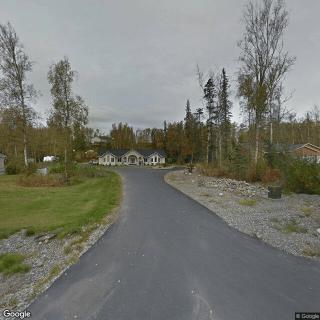
- The home is beautiful, with caring staff who are respectful and attentive to the needs of seniors.
- It earns an A+ and is highly recommended.
- Quality of life is the goal for residents, regardless of physical or cognitive status; the staff is highly trained and caring; all aspects of the person are considered, spiritually and physically; and the surroundings are homelike and beautiful.
Review
This Wasilla community is best suited for seniors who prize a true home-like setting and individualized, family-style care. It thrives where the resident is treated as a person first, with care that revolves around daily life, warmth, and meaningful connections. The 13-plus years of operation anchor a trusted reputation in the Mat-Su Valley, giving families a sense that this is more than a facility and less like a clinical cage. Residents benefit from a homelike rhythm, home-cooked meals, attentive cooks, and a staff that speaks to the whole person, physically, emotionally, and socially. For families who want consistency, continuity, and a sense that caregiving is an extension of family life, this is a particularly strong match.
Those who may want to consider alternatives are families facing high-acuity needs or requiring formal medical oversight that goes beyond what a small, home-based setting typically offers. If 24/7 on-site nursing, complex medication management, or dementia-centered programming with structured clinical protocols are non-negotiable, a larger assisted living community or a dedicated memory care facility might serve better. Similarly, families prioritizing a broad menu of in-house therapies, transportation to a wide array of activities, or a more formalized care management infrastructure could find the scale and resources of bigger centers preferable. The Wasilla option excels in intimacy and attentiveness, but its smaller footprint invites careful verification of medical supports before choosing it for higher-level needs.
The strongest pros lie in the daily lived reality of care: a long-standing, well-regarded operator who views caregiving as a family commitment; a home that feels like a residence, not a lockbox; and a staff culture that is consistently described as loving, respectful, and genuinely attentive. The in-house, home-cooked meals with room for special requests remove some of the friction common to more impersonal settings, while proactive caregiving ensures programs and supports are tailored to each person. Socialization is a core theme, activities, companionship, and opportunities to engage with others help sustain dignity and purpose. The combination of spiritual and physical attention, along with a beautifully homelike environment, makes quality of life the obvious center of the care philosophy.
Where the reviews hint at potential limitations, they also reveal practical grounds for families to align expectations with reality. The small, residential model naturally has fewer on-site medical amenities than larger facilities, and the explicit existence of dementia-specific programming or nurse-led clinical protocols is not documented in the narratives. Prospective residents should confirm whether medical supervision, medication management, and emergency response plans meet their loved one’s high-acuity requirements. It is prudent to ask about staff-to-resident ratios, care plan oversight, and access to specialists or hospital partnerships if those elements are essential. The absence of explicit cons in the praise does not erase the need for due diligence on medical and cognitive-care needs.
Ultimately, the pros offset most concerns for families who value companionship, personalized attention, and a life enriched with homey comforts and meaningful routines. The warmth of the staff and the sense that care decisions honor the person as a whole create a stability that often reduces anxiety for both resident and family. The ability to customize meals, honor special requests, and nurture social ties translates directly into better daily experiences and fewer withdrawal episodes, outcomes that matter when choosing where to anchor daily living. In this light, Wasilla Group Home stands out as a highly credible option for those who want a serene, respectful, and life-affirming home environment.
In sum, this community is a standout choice for seniors who want a genuine home atmosphere backed by longstanding local trust, where care is personal, holistic, and family-forward. It is less suited for those who require intensive medical management, highly specialized dementia programming, or the breadth of services found in larger campuses. For families aligned with the values of warmth, continuity, and purposeful daily life, the Wasilla home offers a compelling blend of dignity, attentiveness, and social vitality. Prospective families should visit, meet the staff, and observe how plans are written and executed, while confirming the medical supports, memory-care options, and pricing details that will determine whether this setting becomes the right long-term home or points toward an alternative that better fits heightened clinical needs.
 3 resident community capacity
 Assisted Living
 Board and Care Home
 Cable or satellite TV
 Dining room
 Fully furnished
 Garden
 Housekeeping services
 Move-in coordination
 Outdoor space
 Telephone
 Wi-Fi/high-speed internet available
 24-hour supervision
 Activities of daily living assistance
 Assistance with bathing
 Assistance with dressing
 Assistance with transfers
 Diabetes diet
 Meal preparation and service
 Medication management
 Special dietary restrictions
 Transportation arrangement (medical)
 Transportation to doctors appointments
 Beyond the Bingo Hall: 50+ Enriching Activities for Seniors in Assisted Living
 Understanding the Distinctions: Assisted Living and Memory Care Explained
 Guiding Elderly Parents Who Refuse Assisted Living: 6 Practical Steps