
850 East Lone Cub Drive, Wasilla, AK 99654
For more information about senior living options: (866) 208-4318
Overall Review of Mssca Lone Cub
Pros
 The organization is wonderful.
- They offer COVID vaccines and assist with scheduling appointments.
- They have experience working with children.
Cons
 They would not provide services for a severely disabled adult child.
- They are just a bunch of buffoons collecting state welfare checks, making a living off disabled people.
Review
Mssca Lone Cub in Wasilla, Alaska, is best suited for families seeking a small, relationship-driven care setting that partners closely with relatives and can tailor daily living supports for residents with non-acute medical needs. This community emphasizes hands-on engagement and familial collaboration, making it a practical choice for households that want steady, direct communication and a homey atmosphere. With a rating of 4.2 from 17 reviews, the center earns trust among families who prize warmth, consistency, and a personally attended approach over slick, impersonal care. It is not a big, corporate operation; it operates more like a close-knit team that values individual personalities and routines.
Yet this is not a universal fit. One caution surfaced in the reviews: the program reportedly would not provide services for a severely disabled adult child. That boundary signals a limited scope, particularly for residents with high medical or developmental needs. For families navigating advanced disability supports, alternatives that offer licensed clinical staffing, higher acuity oversight, or different funding pathways, such as larger assisted living communities, adult foster care, or specialized group homes, are worth evaluating. The takeaway: this is a solid match for certain needs, but not for everyone.
On the upside, the strongest asset is the organization’s relational approach. Those who praise it highlight a genuine sense of partnership with families and a willingness to adapt to individual circumstances. Reviewers describe staff as caring, accessible, and committed to maintaining stability, emphasizing continuity, dependable communication, and a home-like rhythm that many families find comforting. The environment supports ongoing family involvement and a consistent care routine, which many households find essential when daily life needs are more about support and companionship than medical complexity.
Still, there are meaningful caveats. The mixed bottom-end ratings, two two-star and one one-star reviews, signal that experiences can fall short, and expectations may diverge based on individual circumstances or staff performance. The most concrete concern among critics is not about kindness but scope: if care requires more intensive or medicalized supports than the program can safely provide, outcomes can disappoint. This reality does not erase the positives, but it does establish a hard limit on who should consider this option. In short, it works well for simpler, lower-acuity needs; it struggles with higher medical or behavioral complexity.
That dynamic reshapes the decision: the pros largely offset the cons when the resident fits the program’s care model. Families seeking a partner that treats residents with dignity, offers steady involvement, and prioritizes a predictable routine will often find this community meets the mark. The high proportion of five-star notes suggests dependable performance for the intended population. The low scores remind prospective buyers to test fit and question whether the program’s boundaries align with the loved one’s medical and support needs. It is not a universal solution, but it is a strong one for the right profile.
Practical next steps: conduct a careful intake inquiry to confirm eligibility for services and levels of support, request a tour and a trial period if possible, and speak with current families about their day-to-day experience. Ask about staffing ratios, program hours, coordination with family caregivers, and how transitions are managed if needs shift. If the resident’s needs exceed the program’s capacity, pivot to alternatives that offer higher medical oversight or specialized disability services. For suitable candidates, Mssca Lone Cub promises a reliable, involved partner that can deliver consistent, family-centered care.
 2 resident community capacity
 Assisted Living
 Board and Care Home
 Cable or satellite TV
 Dining room
 Fully furnished
 Garden
 Housekeeping services
 Move-in coordination
 Outdoor space
 Telephone
 Wi-Fi/high-speed internet available
 24-hour supervision
 Activities of daily living assistance
 Assistance with bathing
 Assistance with dressing
 Assistance with transfers
 Diabetes diet
 Meal preparation and service
 Medication management
 Special dietary restrictions
 Transportation arrangement (medical)
 Transportation to doctors appointments
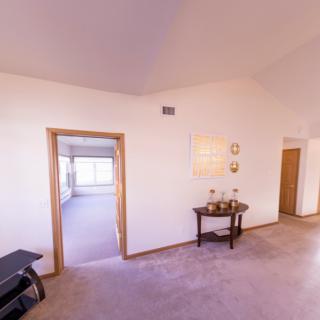
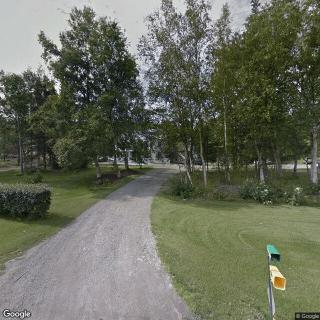

 Comprehensive Residential Support and Assisted Living Solutions for Individuals with Disabilities
 Comprehensive Supportive Living Arrangements for Adults with Disabilities
 Funding and Affording Assisted Living: A Thorough Overview