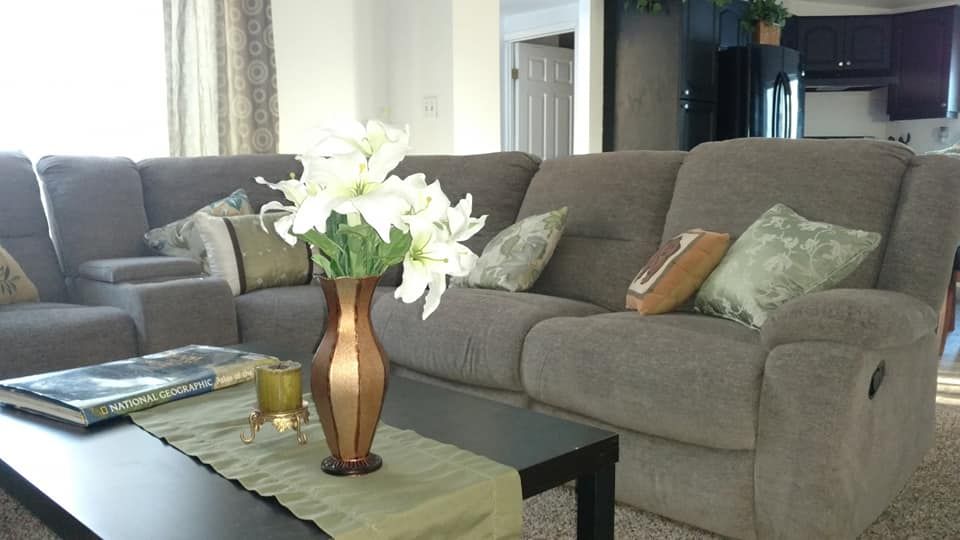
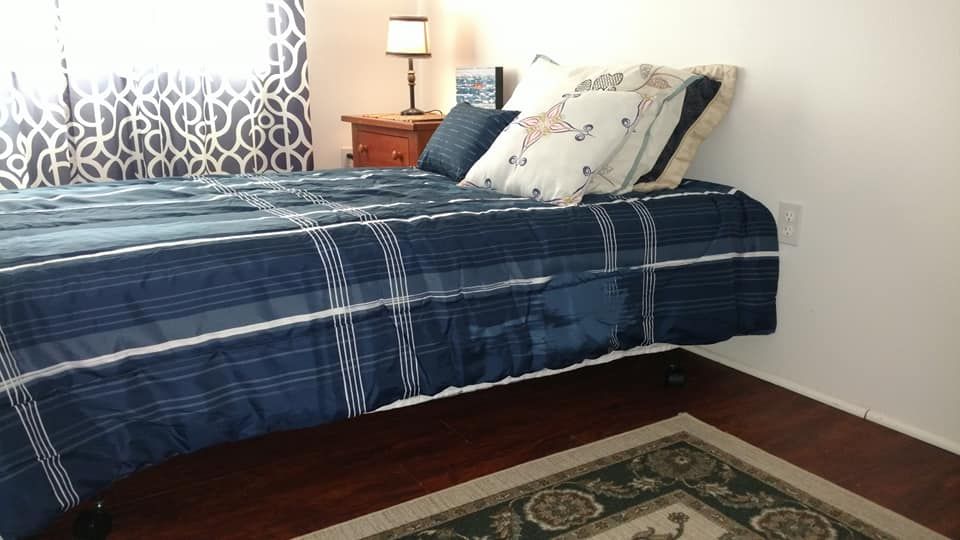
3471 Wren Street, Wasilla, AK 99623
For more information about senior living options: (866) 208-4318
Overall Review of MacGregor House
Pros
 Harbor View Manor offers around-the-clock staff to ensure quality care.
- Harbor View Manor has a full-time cook who prepares nutritious meals on-site.
- Harbor View Manor provides a full-time activities staff to offer a wide variety of daily activities for residents.
Review
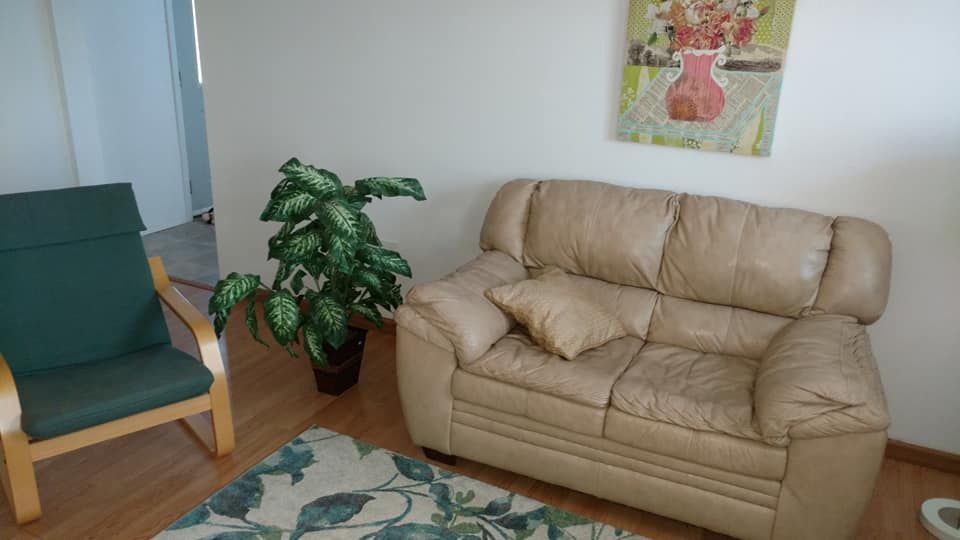
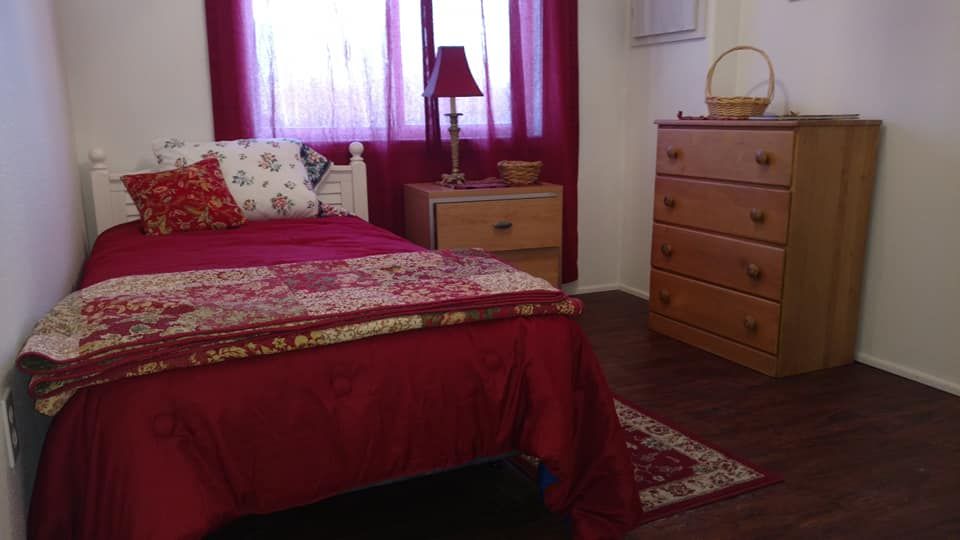
MacGregor House in Wasilla is best for families seeking an intimate, home-like assisted living experience where residents are known by name and care is consistently available. This model suits seniors who prioritize daily structure, dependable supervision, and meals prepared on-site, delivered in a small, low-barrier setting. The strongest signal from the reviewed model is a tightly knit environment: a 17-bed footprint with awake around-the-clock staff, a full-time cook, and a dedicated activities presence. For families who value personal attention, low restraint on routine, and clear daily rhythms, MacGregor House-like options can be a practical, reassuring choice.
Those weighing alternatives will want to consider whether a larger campus with broader services better fits current or anticipated needs. If a loved one requires more intensive medical oversight, memory-care specialization, or access to a wider network of healthcare providers, a bigger community could offer the necessary infrastructure. Similarly, families eyeing robust social opportunities across a larger resident population, additional on-site therapies, or more extensive transportation and outing programs may find a larger setting preferable. If the priority is to remain close to specialized clinics or to have rapid access to varied levels of care under one roof, alternatives deserve serious consideration.
The review highlights three core advantages that shape decision-making in favor of a small, attentive home. First, the around-the-clock staffing promises rapid response to needs, falls, or behavioral changes, with less delay than in facilities where staff shifts create longer intervals between caregiver contacts. Second, an on-site full-time cook ensures meals that are nutritious and predictable, supporting both health and daily morale, an often underestimated factor in ongoing well-being. Third, a full-time activities staff delivers a steady stream of programs and social engagement, which helps prevent isolation and preserves routines that maintain mood and cognitive function. Together, these features create a dependable, comfortable daily life that many seniors and families prize.
These strengths offset several common drawbacks typically associated with small homes. The intimate scale fosters trust, open communication with caregivers, and a sense of safety that comes from being known by the entire staff. Residents benefit from transparent routines and visible accountability, with meals and activities consistently provided. In practice, these pros compensate for the potential limits of size, namely fewer specialized programs, limited on-site medical staffing, and a narrower social ecosystem that can accompany micro-communities. When family members want to see steady supervision and a predictable day, the balance often tilts toward the advantages of a small, well-staffed operation.
Still, prudent consideration demands recognizing potential gaps. A small, single-site home may not deliver the breadth of services found in larger campuses, such as extensive memory-care protocols, on-site rehabilitation suites, or multiple nurse or therapist on-call options. Transportation for outings or medical appointments may be more dependent on partner networks or resident participation, rather than an integrated shuttle system. Costs can fluctuate with the level of hands-on care and staffing, so families should scrutinize what is included in monthly fees and what requires add-ons. If a loved one’s needs are likely to escalate or if a memory-care track becomes essential, these factors argue for evaluating comparable-sized facilities with reinforced dementia programming or a transition plan to higher-acuity care.
For families leaning toward a MacGregor House-style option, the next steps are practical and focused. Schedule a candid tour to observe how staff interact with residents, and ask to meet caregivers on different shifts to gauge consistency. Request a detailed break-down of licensing, care levels offered, and who administers medications. Preview meal options and dining routines to confirm nutrition and dining independence. Inquire about activity calendars, resident autonomy, and how mobility and safety are managed in daily living spaces. Finally, compare pricing structures and neighborhood leverage, ensuring that the decision is anchored not only in current needs but also in a realistic plan for potential future shifts in care requirements.
 3 resident community capacity
 Assisted Living
 Cable or satellite TV
 Dining room
 Fully furnished
 Garden
 Housekeeping services
 Move-in coordination
 Outdoor space
 Telephone
 Wi-Fi/high-speed internet available
 24-hour supervision
 Activities of daily living assistance
 Assistance with bathing
 Assistance with dressing
 Assistance with transfers
 Diabetes diet
 Meal preparation and service
 Medication management
 Special dietary restrictions
 Transportation arrangement (medical)
 Transportation to doctors appointments
 Comprehensive Insights into Activities of Daily Living (ADLs) and Their Assessment
 Medicare Coverage for Assisted Living: An In-Depth Exploration
 Your Comprehensive Guide to Luxury Assisted Living: Elevated Facilities, Amenities, and Costs