
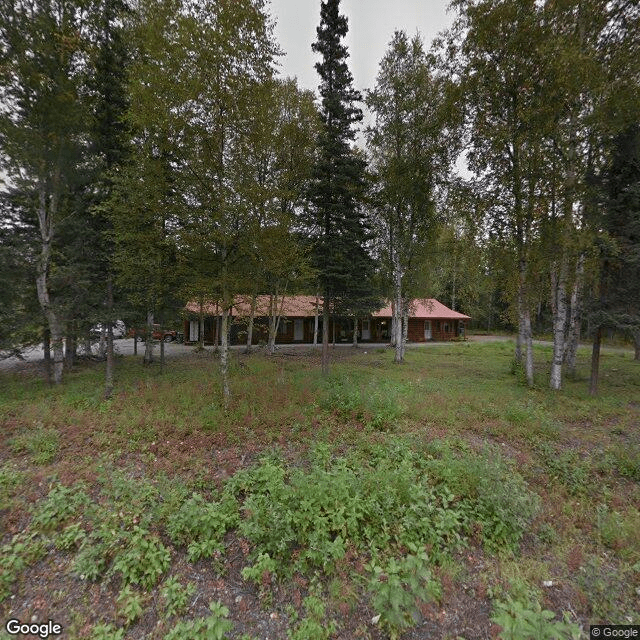
3041 N Cambay Ct, Wasilla, AK 99654
To contact a resident: (907) 357-5803
For more information about senior living options: (866) 208-4318
Overall Review of Granny's Log Cabin Care Center
Pros
 The facility has a home-like vibe.
- The place smells amazing.
- It features a kitchenette in the dining room and offers three meals daily.
- Fresh fruit is available and there is a coffee bar that residents use.
- Staff member Kailah is transparent and informative about programs and policies.
- Families speak highly of Granny’s, often naming it their top choice.
- The staff are patient, kind, and understanding, helping residents transition and adopt healthier habits.
- The facility is a beautiful log cabin home.
Cons
 They describe Granny’s Log Cabin as a horrible and unsafe assisted living facility.
- They say the staff was incompetent and often neglected residents.
- They report the daytime PCA was on her phone rather than assisting residents.
- They allege their grandmother was dropped or thrown into bed, causing fear and injury.
- They claim a staff member overdosed their relative by giving too many medications.
- They accuse Pat, the head administrator, of stealing residents’ medications.
- They mention urine on a chair and trash piling up outside the facility.
- They warn others not to place a loved one there, calling it the worst.
Review
Granny’s Log Cabin Care Center in Wasilla is best suited for families seeking a small, home-like setting where residents can enjoy a cozy, intimate atmosphere and where families can stay actively involved through regular, sometimes unannounced, visits. The facility’s size, homelike vibe, and sensory cues, smell of a home, a kitchenette for residents who want to contribute to meals, three daily meals, fresh fruit on display, and a coffee bar that fosters social interaction, appeal to those who prize personal touches and a sense of belonging over institutional efficiency. For residents who are relatively independent or have modest care needs, and for families prepared to be hands-on with oversight, this environment can feel welcoming and personally attentive.
That said, serious caveats loom. A number of reviews recount experiences of neglect and unsafe conditions, including accounts of staff who appeared distracted or overwhelmed, inadequate monitoring, and medication-management concerns. Several posts reference long-standing issues, including episodes that prompted APS involvement, and multiple claims of harm to residents. Dementia or high-care needs are singled out as particularly challenging in this setting, with some reviewers suggesting that insufficient staffing or inconsistent supervision could expose vulnerable seniors to risk. Families unable to tolerate ongoing questions about safety, or who cannot commit to vigilant, frequent oversight, should seriously consider alternatives.
The core positives, intimate setting, a genuine home feel, and a degree of transparency when asked about care levels and policies, do not fully offset the most troubling downsides. The strongest advantages come from the possibility of closer, more personal interactions with staff and the potential for residents to enjoy a social atmosphere in a smaller house-like setting. Yet the weight of credible concerns about safety lapses, potential mistreatment, and past management issues cannot be dismissed. Positive anecdotes about transitions and quieter moments with caregivers matter, but they must be weighed against repeated, documented-sounding red flags and the persistent question of whether reliable, consistent care can be guaranteed over time.
Families should run a rigorous, structured due diligence process before any commitment. Unannounced visits are essential to observe how caregivers interact with residents, how transfers and daily routines are managed, and whether meals and activities are handled with attention. Request current, detailed care plans, medication administration records, and up-to-date staffing ratios. Verify licensure status and inspect the facility for cleanliness, odor control, and general safety. Speak with a range of residents and families, and pull state oversight records or ombudsman summaries to gauge ongoing compliance. Ask specifically what improvements have been implemented since prior complaints and how accountability is ensured at the operational level.
The bottom line is that Granny’s Log Cabin Care Center represents a high-risk option for most families, particularly for those with memory care or higher-acuity needs. It is unlikely to meet the standards families should expect from a consistently safe, well-staffed environment without substantial, demonstrable evidence of enduring quality improvements. For anyone prioritizing steady supervision, transparent staffing, and reliable care outcomes, this facility should be a non-starter until current, verifiable issues are resolved and ongoing positive experiences are documented. Alternatives with stronger reputations for safety and accountability deserve serious consideration.
In the decision-making process, scope out multiple Wasilla-area options and apply the same scrutiny to each: confirm staffing stability, clear accountability, and verifiable positive resident experiences. Leverage state resources and an ombudsman where possible to obtain a grounded view of compliance history. If Granny’s Log Cabin Care Center remains in the mix, insist on a structured trial period with tight oversight, documented care metrics, and a clear plan for addressing any red flags. The right choice will balance a genuine home feel with uncompromising safety and consistent, attentive care, qualities that, in this case, require careful, evidence-based validation before proceeding.
 Board and Care Home

 Engaging Brain Games and Innovative Apps to Keep Senior Minds Active
 Effective Strategies for Keeping Seniors' Minds Active: A Deep Dive into Brain Games and Apps
 In-Depth Look at the VA Aid and Attendance Program