Hope - Redoubt is an assisted living community in Soldotna, AK.
Information last verified:
197 East Redoubt Avenue #4&5, Soldotna, AK 99669
For more information about senior living options: (866) 208-4318
3.3 from 101 reviews
5 stars
46
4 stars
9
3 stars
5
2 stars
8
1 stars
33
Overall Review of Hope - Redoubt
caveat2 reviews mention this
Reviews focus on hospital care
The reviews provided primarily describe hospital and clinic experiences rather than assisted living life here.
Many review texts are about hospital departments like ER, imaging, and inpatient admissions, along with comments about doctors, nurses, and waiting rooms. In contrast, the listing details the assisted living setting and supports such as daily living assistance, medication management, and transportation for appointments. Because of that mismatch, the reviews may not be the best evidence for how day-to-day assisted living care is delivered.
common14 reviews mention this
Staff kindness shows up often
Residents consistently describe staff as kind, respectful, and attentive during medical care.
Across multiple reviews, people praise staff for treating patients with dignity and respect, and for being attentive to comfort needs like pain, blankets, and explanations. Several reviews also mention thorough communication and follow-up, along with professionalism that helped reduce stress during urgent visits. Even when other experiences were negative, the theme of caring staff appears repeatedly.
caveat3 reviews mention this
Pain care and listening vary
Some reviews raise concerns about whether staff listened and handled pain appropriately.
A subset of reviews directly complain about a lack of respect for people in pain and describe dismissiveness or inadequate attention to symptoms. Others describe situations where a patient says they were not taken seriously until later, or that discomfort continued longer than expected. These comments point to uneven experiences around responsiveness during higher-stress moments.
caveat4 reviews mention this
Cost complaints come up repeatedly
Several reviews criticize pricing and describe billing pressure.
Multiple reviews focus on the cost of care, including claims of being overpriced, billing that feels punitive, or financial strain. Some reviewers compare costs to alternatives like traveling elsewhere, while others describe extreme billing outcomes. While service quality is often praised, these comments show cost is a recurring point of frustration.
How we summarize
Counts show how many written reviews mention each theme; a review can touch several themes, and only frequently mentioned themes are displayed.
Features
Housing
2 resident community capacity
Types of Care
Assisted Living
Amenities
Cable or satellite TV
Dining room
Fully furnished
Garden
Housekeeping services
Move-in coordination
Outdoor space
Telephone
Wi-Fi/high-speed internet available
Care Services
24-hour supervision
Activities of daily living assistance
Assistance with bathing
Assistance with dressing
Assistance with transfers
Coordination with health care providers
Diabetes diet
Meal preparation and service
Medication management
Special dietary restrictions
Transportation arrangement (medical)
Transportation to doctors appointments
Dining
Diabetes diet
Special dietary restrictions
Activities
Community-sponsored activities
Scheduled daily activities
Nearby Places of Interest
Parks
Farnsworth Park (0.1 miles)
Beaver Creek Park (5.4 miles)
Pharmacies
Professional Home IV (0.2 miles)
Walgreens (0.3 miles)
Soldotna Professional Pharmacy (0.6 miles)
Fred Meyer Pharmacy (0.6 miles)
Walmart Pharmacy (7.6 miles)
Three Bears Alaska (7.6 miles)
Safeway Food & Drug (7.6 miles)
Restaurants
Pita Pit (Soldotna) (0.2 miles)
Jersey Subs (0.2 miles)
Pizza Hut (0.2 miles)
Playa Azul (0.2 miles)
Don Jose's Mexican Restaurant (0.2 miles)
Subway (0.3 miles)
Odie's Deli (0.3 miles)
Places of Worship
Southern Baptist Convention (0.2 miles)
First Baptist Church (0.3 miles)
Soldotna Chapel (0.6 miles)
Church of Jesus Christ of Latter Day Saints (0.6 miles)
Living Waters Seventh-Day Adventist Group (0.6 miles)
Destiny Kidz At Soldotna Church Of God (1.4 miles)
Jehovah's Witnesses (2.1 miles)
Physicians
Soldotna Optometry Clinic (0.2 miles)
Central Peninsula Internal Medicine Associates (0.4 miles)
Peninsula Allergy & Asthma Center (0.4 miles)
Central Peninsula Family Practice (0.5 miles)
Upstream Family Medicine (0.5 miles)
Peninsula Surgical Solutions (0.6 miles)
Robert E. Cadoff, MD - Central Peninsula Urology (0.6 miles)
Hope - Redoubt is located at 197 East Redoubt Avenue #4&5, Soldotna, AK 99669 in Kenai Peninsula Borough, Alaska
Nearby Communities
Robin Place Elder Care
Soldotna, AK
$20,000 / month
Private rooms with private bathrooms and high-acuity memory care with on-site activities.
Hope - Grandview 7 - Maclaren
Soldotna, AK
Comprehensive care with meals, transportation, medication management, housekeeping, and ADL support.
Hope - Grandview 4 - Bright Side Bungalow
Soldotna, AK
Personalized assisted living with comprehensive services (meals, housekeeping, care coordination, transportation) in a home-like setting.
Hope - Grandview 2 - Lesko Peanut Butter and Jelly
Soldotna, AK
4.6 from 11 reviews
Comprehensive care with 24-hour supervision, diabetes-friendly dining, and ample amenities.
Hope - Grandview 3 - Lulu Belle
Soldotna, AK
All-inclusive assisted living with 24/7 supervision, ADL support, medication management, diabetes-friendly meals, on-site dining, housekeeping, transportation to medical appointments, and a garden.
Hope - Grandview 5 - Bright Minds Cottage
Soldotna, AK
4.6 from 9 reviews
Fully furnished living spaces with comprehensive care and engaging daily activities.
Choosing between assisted living and nursing homes involves evaluating emotional and financial factors, with assisted living offering independence and support for daily activities at a lower cost, while nursing homes provide intensive medical care for individuals with significant health needs. The decision is influenced by personal preferences, health status, cognitive function, and varying Medicaid coverage across states.
Assisted living in 2025 offers a crucial balance of independence and support for seniors, with costs varying from $2,500 to over $7,000 per month based on factors such as location and care level. Understanding pricing complexities, including regional differences and potential hidden fees, is essential for families to plan financially while ensuring quality care for their loved ones.
The guide outlines the complexities of Medicaid coverage for assisted living, highlighting significant state-to-state variations, limited coverage often restricted to personal care services, and the existence of specialized waivers for certain needs like memory care. It advises families to consult local Medicaid offices for options while emphasizing the importance of understanding state-specific regulations and facility policies.
Get PricingAsk A QuestionSchedule A TourContact Senior Advisor
By clicking submit, you agree to our Partner's Terms of Use. You
also consent to receive calls and texts, which may be autodialed, from our Partner. Your consent is not a condition to
using our Partner's service. Please visit our Partner's Privacy Policy for information about their privacy practices.

 2 resident community capacity
 Assisted Living
 Cable or satellite TV
 Dining room
 Fully furnished
 Garden
 Housekeeping services
 Move-in coordination
 Outdoor space
 Telephone
 Wi-Fi/high-speed internet available
 24-hour supervision
 Activities of daily living assistance
 Assistance with bathing
 Assistance with dressing
 Assistance with transfers
 Diabetes diet
 Meal preparation and service
 Medication management
 Special dietary restrictions
 Transportation arrangement (medical)
 Transportation to doctors appointments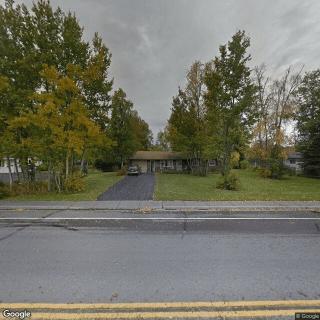
 Private rooms with private bathrooms and high-acuity memory care with on-site activities.
 Choosing the Right Senior Care: A Detailed Exploration of Assisted Living and Nursing Homes
 Understanding the True Cost of Assisted Living in 2025: A Comprehensive Guide
 Understanding Medicaid Coverage for Assisted Living: A Comprehensive Guide