
602 Dock St # 107, Ketchikan, AK 99901
To contact a resident: (907) 225-6960
For more information about senior living options: (866) 208-4318
Overall Review of Center For Community
Pros
 The organization offers numerous beneficial programs, task forces, resources, and events.
- Its inclusivity is incredible, welcoming everyone regardless of background.
- It enhances the health and wellbeing of its community.
- It is a great organization to be involved with, where involvement makes people's lives and the community healthier.
- The community is lucky to have this organization.
- It is a wonderful community volunteer organization that partners within the community to make Ketchikan healthier and more vibrant.
Review
Center For Community in Ketchikan is best suited for adults who want to be deeply engaged in a broad, inclusive health and wellness ecosystem. It serves as a civic hub where participation, volunteering, and collaboration drive tangible community benefits. This is a strong fit for people who value access to diverse programs, opportunities to contribute to a healthier city, and a social environment that reflects Ketchikan’s local character. Those seeking a traditional, resident-focused assisted living with formal caregiving oversight should look elsewhere; this organization emphasizes community involvement and wellness programming over custodial eldercare.
Those who may want to consider alternatives include individuals seeking structured, on-site medical supervision, private senior housing, or a more conventional residential care setting. Families prioritizing long-term, medically oriented care or a private living arrangement with dedicated caregiving support will generally find more suitable options in traditional assisted living facilities or nursing homes. The Center For Community excels as a civic and wellness resource, not as a replacement for formal caregiving services.
On the upside, the strongest pros lie in depth of programming and a remarkably inclusive culture. The organization runs a wide array of programs, task forces, and events that touch health, wellbeing, and social connection, weaving together resources that help people feel part of a healthier, more vibrant community. The emphasis on inclusivity, embracing people from all backgrounds, creates a welcoming atmosphere where participants can build meaningful relationships and expand their social networks. Its impact is amplified by partnerships with other community actors, which broadens access to services and opportunities for residents across the peninsula.
A couple of mid-range reviews signal that not every experience is perfect, and the presence of two 3-star ratings suggests some variability in satisfaction. The absence of 4- and 2-star ratings beyond that hints at a generally positive reception, yet it also implies that certain interactions or programs may not meet every expectation. In practical terms, this means the organization delivers extraordinary communal value for many, while a minority may encounter gaps, likely around program consistency, staffing energy, or scheduling fit. This is not unusual for volunteer-driven, community-based operations where engagement can ebb and flow.
The offsetting value is clear: when the pros align, the Center For Community offers a powerful platform for civic engagement, wellness education, and social capital that few comparable entities can match in a small Alaska town. The move to a larger location near Whale Park signals capacity for broader participation and more robust programming, which strengthens accessibility and reduces bottlenecks that often limit involvement. These dynamics matter for families weighing whether a community-oriented resource can substitute for a more traditional care pathway: if the goal is to amplify connections and cultivate wellbeing through shared activity, the benefits can far outweigh the occasional inconsistency.
For families making a decision, the practical path is direct. Assess alignment with personal goals: is the priority to deepen community ties, access broad wellness programming, and contribute to a healthier local milieu? If so, invest time in visiting the new facility, meeting program coordinators, and sampling current offerings. Ask about volunteer opportunities, program calendars, and how leadership handles fluctuations in participation. If medical oversight, private housing, or guaranteed daily caregiving are non-negotiables, pursue traditional options in parallel and use the Center For Community as a complementary resource to sustain social vitality and civic engagement alongside any formal care plan.
 Ketchikan International (3 miles away)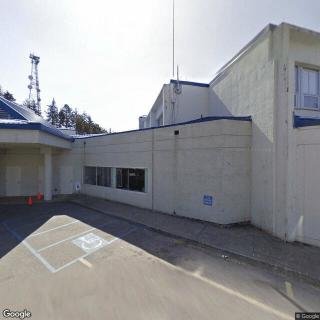



 Top Canine Companions for Older Adults
 Comprehensive Guide to Blood Pressure Charts for Older Adults: Understanding Normal and High Readings by Age
 Financing Long-Term Nursing Home Care Through Social Security: A Thorough Exploration