Sweet Success

Save
Sweet Success

Sweet Success

2517 West 67th Avenue, Anchorage, AK 99502

For more information about senior living options: (844) 490-3973

3.6 from 59 reviews
5 stars
36
4 stars
1
3 stars
1
2 stars
3
1 stars
18

Assisted Living Board and Care Home

Overall Review of Sweet Success

Pros

  • pro Wisdom Traditions programs are top notch, and the staff are caring and well trained.
  • pro The counselors at Wisdom Traditions go above and beyond to ensure access and make patients feel seen, heard, and helped.
  • pro Patients describe genuine care, a warm welcome, and a sense of belonging at Wisdom Traditions, including alumni meetings.
  • pro Wisdom Traditions offers a full team to counsel and provide medication services, which patients view as essential for mental health care.
  • pro Wisdom Traditions has changed many lives, with clients reporting healing and personal growth.
  • pro For nearly a decade, Wisdom Traditions has been a trusted place for learning and healing, and is considered a welcoming community in Anchorage.

Cons

  • pro Reviewers describe repeated scheduling mix-ups with different staff, causing frustration.
  • pro They say the director's response was defensive, dismissive, and unsupportive rather than addressing concerns.
  • pro Front desk staff are criticized as inept and inconsistent in enforcing office policies.
  • pro They report missed one-on-one appointments due to poor scheduling, harming their plan of care.
  • pro Counselors are said to fail to recognize ongoing distress or ongoing alcohol use.
  • pro Friends and Family night is viewed as taking space away from paying participants.
  • pro Dr. Mack is described as highly unprofessional and lacking empathy.
  • pro Front-office communication is described as terrible, with no callbacks and delays in obtaining medical records.

Review

Wisdom Traditions comes across here as a place that can offer real value in its programs and the people who work there, but also as an organization riven by conflicting practices, inconsistent communication, and leadership styles that leave patients feeling guarded rather than supported. On one end, several accounts praise the substance of the work - concepts, treatment approaches, and the sense that the staff genuinely care about people and their recovery. On the other end, a heavy chorus of reviewers describe ongoing administrative chaos, opaque decision-making, and experiences that undermine safety, trust, and progress. Taken together, the voices sketch a complex landscape where promise meets real-world dysfunction.

A recurring thread is scheduling chaos and front-desk mismanagement. Multiple reviewers report repeated scheduling mix-ups involving different staff, which compounds the stress of seeking care at a vulnerable time. Front-desk procedures are described as inconsistent, with policies not enforced uniformly and with interpersonal friction that spills over into the clinical side of care. The consequences are concrete: missed one-on-one appointments, interruptions in treatment plans, and a sense that the organization isn't reliably coordinating across teams to keep patients on track. Some people also point to policy enforcement issues, including a mask policy that front-desk staff failed to enforce, which then caused confusion and redirection by medical staff. The practical effect is a care experience that feels unstable and hard to rely on.

Confidentiality and leadership handling of sensitive issues surface as another major fault line. One reviewer described a situation in which their concern - about a partner's confidential information being shared - was escalated directly to the director without warning. The director's response, characterized as a long, defensive speech focused on liability and "protecting Wisdom Traditions" rather than addressing the patient's specific concern, left the reviewer feeling dismissed and unsupported. There was little to no follow-up in writing to clarify why information was being shared between providers, and no straightforward explanation of how confidentiality should operate in these circumstances. The impression given is that leadership favored defense and liability avoidance over transparent, patient-centered problem solving, which erodes trust and safety for patients who need to feel protected when sensitive information is involved.

Transparency and communication, especially with the leadership and the front office, appear consistently problematic across many episodes. Several reviewers describe a pattern of poor and unresponsive communication: promises of callbacks that never materialize, difficulty obtaining medical records even after long waits, and a persistent sense that patients are left to navigate a labyrinth with little guidance. The online patient portal is cited as not providing access to treatment plans despite assurances that it would, and hours listed online do not always align with reality, creating avoidable friction for patients trying to manage their care. In short, administrative systems seem unreliable, which directly undermines the therapeutic process.

There are stronger, more pointed criticisms aimed at specific individuals and at the way some interactions have been handled. One account alleges serious unprofessionalism and cruelty from a clinician identified as Dr. Mack, with the reviewer implying that the behavior was shockingly inappropriate and lacking in basic tact or empathy. Another reviewer expresses frustration with a particular staff dynamic around a "Friends and Family night," suggesting that paying participants feel pushed to the background when free attendees are present. These kinds of claims - whether about specific staff members or about program practices - contribute to an overall impression of a care environment where not everyone feels heard, respected, or included.

Amid the criticisms, there are contrasting strands of experience that cannot be ignored. Some reviewers describe Wisdom Traditions as delivering high-quality programs and compassionate care, with colleagues who seem genuinely invested in helping people feel better. Others describe very real logistical and interpersonal obstacles - staff who do not answer phones promptly, delays in receiving important documents, and inconsistent access to medications during critical times - a combination that undermines confidence in the system and in the continuity of care. A subset of comments also touches on the financial and coverage side, with questions about Medicaid acceptance and the practicalities of navigating care when insurance is involved, suggesting that access and affordability can be another source of frustration in an already complicated landscape.

There are a few narratives about positive clinical experiences - the sense of being seen, heard, and helped by a cohesive team that can coordinate counseling with medication services, and the reassurance of a supportive community through alumni meetings. These stories stand in stark contrast to the more negative experiences, highlighting a core tension: when the system works, patients find substantial value; when it does not, the impact is profound, affecting treatment adherence, medication continuity, and overall progress. One account even notes a long-standing commitment to the local community and a sense that the organization has been a stable presence for almost a decade, underscoring that the relationship between staff and patients can be deeply meaningful when functioning well.

In the end, the mosaic of reviews paints Wisdom Traditions as a place with real strengths in its clinical offerings and compassionate people, but with persistent structural and cultural issues that interfere with safe, consistent, and respectful patient care. The gaps are unmistakable: administrative reliability, transparent communication, and leadership approaches that center patient safety and clarity over defensiveness and liability. Several reviewers express a desire for fundamental changes to how information is shared, how complaints are handled, and how care is coordinated across staff, with some even permanently distancing themselves from the organization. The overarching message is a call for meaningful internal reform - so that the programs that work at their best can be matched by reliable processes, clear accountability, and a care environment that makes patients feel truly supported in their recovery journey.

Features

Housing

  • 8 resident community capacity 8 resident community capacity

Types of Care

  • Assisted Living Assisted LivingAssisted living facilities provide crucial support and care for seniors who may need help with daily tasks such as medication management, bathing, and meal preparation. These communities offer a safe and comfortable environment where seniors can maintain their independence while receiving the assistance they need to thrive in their golden years.
  • Board and Care Home Board and Care HomeBoard and care homes provide a smaller, more intimate setting for seniors who require assistance with daily tasks but do not need the level of care offered by a nursing home. They offer personalized care, meals, and social activities in a homelike environment, ensuring that seniors receive individualized attention and support in their golden years.

Amenities

  • Cable or satellite TV Cable or satellite TVCable or satellite TV is important for seniors because it provides entertainment, news, and companionship, helping to combat loneliness and boredom. It also offers a wide range of programming options tailored to different interests and preferences.
  • Dining room Dining roomDining rooms are important for seniors as they provide a space for socialization, connection, and nutritious meals. They offer opportunities for residents to bond over shared meals, foster a sense of community, and promote healthy eating habits. Dining rooms also ensure that seniors have access to well-balanced meals tailored to their dietary needs and preferences.
  • Fully furnished Fully furnishedFully furnished senior living communities are important for seniors because they provide convenience, comfort, and a hassle-free moving experience. Seniors can easily settle into their new living space without the stress of having to buy and move furniture. This allows them to focus on enjoying their new home and community.
  • Garden GardenGardens are important for seniors as they provide a peaceful and therapeutic environment for relaxation, physical activity, and socialization. Being in nature has been shown to reduce stress, improve mood, and promote overall well-being. Gardens also offer opportunities for seniors to engage in gardening activities, which can improve mobility, flexibility, and cognitive function. Additionally, gardens create a sense of community and connection with others who share a passion for plants and outdoor spaces.
  • Housekeeping services Housekeeping servicesHousekeeping services are important for seniors because they help maintain a clean and safe living environment, promote independence, and reduce the risk of accidents or illnesses. Additionally, having assistance with household chores can alleviate physical strain and allow seniors to focus on other aspects of their well-being.
  • Move-in coordination Move-in coordinationMove-in coordination is important for seniors because it helps ease the transition into their new living environment. It ensures that all logistics, such as packing, organizing movers, and setting up utilities are taken care of, allowing seniors to focus on settling in and adjusting to their new home. Having a smooth move-in process can alleviate stress and anxiety, making the transition smoother and more enjoyable for seniors.
  • Outdoor space Outdoor spaceOutdoor spaces are important for seniors as they provide opportunities for physical activity, social interaction, exposure to natural light and fresh air, and a sense of connection to nature. Having access to outdoor spaces can improve overall well-being and quality of life for older adults living in senior communities.
  • Telephone TelephoneTelephones are important for seniors as they provide a lifeline for communication with loved ones, emergency services, and healthcare providers. They offer a sense of security and independence, enabling seniors to stay connected and access assistance when needed.
  • Wi-Fi/high-speed internet available Wi-Fi/high-speed internet availableWi-Fi/high-speed internet is important for seniors to stay connected with loved ones, access online resources, and participate in virtual activities to combat feelings of loneliness and isolation. It also allows them to easily manage healthcare needs, access entertainment, and engage in lifelong learning opportunities.

Transportation

  • Ted Stevens Anchorage International (2 miles away) Ted Stevens Anchorage International (2 miles away)

Care Services

  • 24-hour supervision 24-hour supervision24-hour supervision is important for seniors to ensure their safety, well-being, and access to immediate assistance in case of emergencies or health issues. This constant support provides peace of mind for both seniors and their loved ones, allowing them to age in place with dignity and security.
  • Activities of daily living assistance Activities of daily living assistanceActivities of daily living assistance are important for seniors because they provide essential support with tasks such as eating, bathing, dressing, and mobility. This assistance helps seniors maintain their independence, dignity, and overall quality of life as they age.
  • Assistance with bathing Assistance with bathingAssistance with bathing is crucial for seniors as it helps maintain personal hygiene, prevents infections, and ensures their overall well-being and comfort. It also provides a sense of dignity and independence for seniors who may struggle with this task on their own.
  • Assistance with dressing Assistance with dressingAssistance with dressing is important for seniors because it helps maintain their independence, promotes personal hygiene, prevents accidents and injuries, and improves overall quality of life. This service ensures that seniors can continue to dress comfortably and confidently, despite any physical limitations they may have.
  • Assistance with transfers Assistance with transfersAssistance with transfers is crucial for seniors as it helps prevent falls and injuries, maintains their independence, and ensures they can safely navigate their living environment. It also provides peace of mind for both seniors and their loved ones.
  • Coordination with health care providers Coordination with health care providersCoordination with health care providers is crucial for seniors to ensure proper medical care, medication management, and overall well-being. This collaboration helps prevent overlapping treatments, track progress more effectively, and provide comprehensive support tailored to individual needs.
  • Diabetes diet Diabetes dietA diabetes diet is crucial for seniors as it helps manage blood sugar levels, reduce risks of complications, and improve overall health and well-being. By following a balanced and nutritious diet tailored to their specific needs, seniors can better control their diabetes and enhance their quality of life.
  • Meal preparation and service Meal preparation and serviceMeal preparation and service are crucial for seniors as they may have limited mobility or energy to cook nutritious meals. Having access to healthy and convenient food options can ensure they are getting the proper nutrition needed to maintain their overall health and well-being.
  • Medication management Medication managementMedication management is crucial for seniors to ensure they are taking the right medications at the correct dosages and times. This helps prevent adverse drug interactions, reduces the risk of medication errors, and promotes overall health and well-being. Proactive management also allows for adjustments as needed based on changing health conditions or new prescriptions.
  • Special dietary restrictions Special dietary restrictionsSpecial dietary restrictions are important for seniors because age-related changes in metabolism and health conditions can make it difficult for their bodies to process certain foods. By following a diet tailored to their specific needs, seniors can maintain their overall health and well-being, manage chronic conditions, and reduce the risk of complications such as malnutrition or food interactions with medications.
  • Transportation arrangement (medical) Transportation arrangement (medical)Transportation arrangements for medical purposes are essential for seniors as they may have difficulty driving themselves to appointments or accessing public transportation. Having reliable and safe transportation options ensures that seniors can receive timely medical care and maintain their health and well-being.
  • Transportation to doctors appointments Transportation to doctors appointmentsTransportation to doctors' appointments is crucial for seniors as it ensures they have access to necessary medical care and support for their health needs. Without reliable transportation, seniors may struggle to attend important appointments, leading to potential delays in treatment and health complications. Providing transportation services helps seniors maintain their overall well-being and quality of life.

Dining

  • Diabetes diet Diabetes dietA diabetes diet is crucial for seniors as it helps manage blood sugar levels, reduce risks of complications, and improve overall health and well-being. By following a balanced and nutritious diet tailored to their specific needs, seniors can better control their diabetes and enhance their quality of life.
  • Special dietary restrictions Special dietary restrictionsSpecial dietary restrictions are important for seniors because age-related changes in metabolism and health conditions can make it difficult for their bodies to process certain foods. By following a diet tailored to their specific needs, seniors can maintain their overall health and well-being, manage chronic conditions, and reduce the risk of complications such as malnutrition or food interactions with medications.

Activities

  • Community-sponsored activities Community-sponsored activitiesCommunity-sponsored activities are important for seniors as they provide opportunities for social interaction, mental stimulation, and physical activity. These activities can help improve overall well-being, combat loneliness and isolation, and promote a sense of belonging and purpose among older adults.
  • Scheduled daily activities Scheduled daily activitiesScheduled daily activities are important for seniors because they provide structure, socialization, mental stimulation, and physical activity. Engaging in regular activities can improve overall well-being and quality of life for seniors living in a community setting.

Description

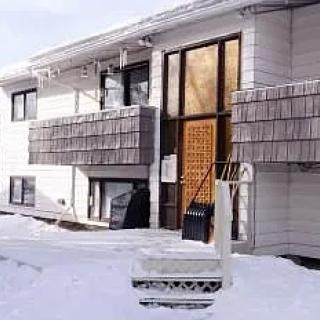
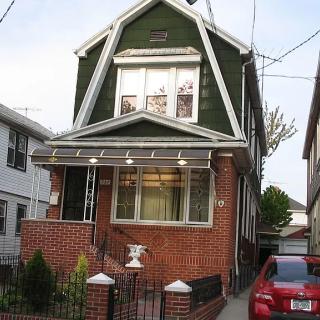
Sweet Success is an inviting and comfortable board and care home located in Anchorage, AK. Our community offers a range of amenities and services to ensure that our residents feel at home and well taken care of.

Our fully furnished rooms provide a cozy space for our residents to relax and enjoy their privacy. We have a spacious dining room where nutritious meals are prepared and served to accommodate any special dietary restrictions. Our dedicated staff also assists with meal preparation and medication management.

At Sweet Success, we prioritize the well-being of our residents by offering various activities to keep them engaged and active. We provide assistance with daily living tasks, such as bathing, dressing, and transfers, ensuring our residents' comfort at all times. Additionally, we coordinate with health care providers to ensure that our residents receive the best possible medical care.

Our community boasts a beautiful garden and outdoor space where residents can take leisurely walks or simply enjoy the fresh air. For convenience, we offer move-in coordination services as well as transportation arrangements for medical appointments.

The location of Sweet Success is ideal, with numerous amenities nearby. There are five cafes and restaurants within close proximity, allowing residents to enjoy dining out or meeting up with friends for coffee. Additionally, five parks offer opportunities for outdoor recreation and relaxation. With 15 pharmacies nearby, accessing medications is quick and convenient. Residents also have easy access to 33 physicians should they require medical attention.

As part of our commitment to meeting the spiritual needs of our residents, there are three places of worship in close proximity to our community. Furthermore, should medical emergencies arise, we are conveniently situated near five hospitals.

With its warm atmosphere, attentive staff, excellent amenities, and prime location near essential services, Sweet Success provides an exceptional assisted living experience for seniors in Anchorage, AK.

Nearby Places of Interest

Parks

  • DeLong Lake (1.1 miles)
  • Westpark Dog Park (2.3 miles)
  • Earthquake Park (2.6 miles)
  • Margaret Eagan Sullivan Park and Waterfowl Sanctuary (3.3 miles)
  • Valley of the Moon Park (3.3 miles)

Places of Worship

  • Gloria Dei Lutheran Church (1.3 miles)
  • Dimond Boulevard Baptist Church (1.7 miles)
  • Lutheran Church of Hope (2.5 miles)

Transportation

  • Lake Hood Seaplane Base (1.3 miles)
  • Lake Hood Strip (1.9 miles)
  • Security Checkpoint (1.9 miles)
  • Concourse C (2 miles)
  • Anchorage Int'l-North Terminal (2.2 miles)
  • Ted Stevens Anchorage International Airport (ANC) (2.4 miles)

Restaurants

  • Wendy's (1.4 miles)
  • McDonald's (1.5 miles)
  • Gwennies Old Alaska Restaurant (1.5 miles)
  • Ronnie Sushi (1.6 miles)
  • Taco Bell (1.6 miles)
  • Gallo's Mexican Restaurant (1.7 miles)
  • McDonald's (1.7 miles)

Physicians

  • Raspberry Roots (1.4 miles)
  • Fresenius Medical Care (1.6 miles)
  • Fresenius Kidney Care (1.6 miles)
  • Alaska Center For Blind & Visually Impaired (1.7 miles)
  • Urgent Care Medical Clinic PC (1.7 miles)
  • Anchorage Neighborhood Health Center (1.8 miles)
  • Polar Pediatrics (1.9 miles)

Pharmacies

  • Walgreens (1.6 miles)
  • Geneva Woods Pharmacy (1.6 miles)
  • Fred Meyer Pharmacy (1.7 miles)
  • Walgreens (2.5 miles)
  • CVS Pharmacy (2.7 miles)
  • Walmart Pharmacy (2.8 miles)
  • Reliance Medsets (2.8 miles)

Cafes

  • Kingfisher Coffee (1.8 miles)
  • Starbucks (2.1 miles)
  • Rustic Goat (2.4 miles)
  • Starbucks (2.4 miles)
  • Black Cup (2.9 miles)

Hospitals

  • Providence Health & Services Alaska (1.8 miles)
  • St. Elias Specialty Hospital Wound Care (2 miles)
  • Providence Alaska Medical Center (2.1 miles)
  • Koropp, Michael DDS (3.3 miles)
  • Concentra Urgent Care (3.4 miles)

Frequently Asked Questions

Where is Sweet Success?

Nearby Communities

  • 4EverHome - ALH

    4EverHome - ALH

    Anchorage, AK


    pro Small, personalized setting with comprehensive services.


  • Malupo's Haven Assisted Living Home II

    Malupo's Haven Assisted Living Home II

    Anchorage, AK

    4.5 from 4 reviews
     

    pro Small, home-like setting with personalized care and comprehensive services.

  • Hope Raspberry

    Hope Raspberry

    Anchorage, AK

    4.3 from 41 reviews
     

    pro Comprehensive, personalized care (24/7 supervision, meds, diabetes diet, meals) and engaging activities.

  • Hope Colonial Court

    Hope Colonial Court

    Anchorage, AK

    4.3 from 41 reviews
     

    pro Personalized, homelike care with meals and outdoor space.

  • Sunrise Assisted Living Home II

    Sunrise Assisted Living Home II

    Anchorage, AK

    4.5 from 8 reviews
     

    pro 24-hour supervision with ADL assistance and medical transportation.

  • Golden Hearts Agency Concord

    Golden Hearts Agency Concord

    Anchorage, AK


    pro Comfortable, fully furnished board-and-care with meals, housekeeping, 24-hour supervision, and coordinated medical support.

  • Aspen Creek

    Aspen Creek

    Anchorage, AK

    4.7 from 64 reviews
    $6,200 to $7,500 / month

    pro Friendly, attentive staff in a beautiful, well-maintained facility with engaging activities.

Related Resources

  • assisted living vs memory careAssisted Living and Memory Care: Understanding Their Core Differences

    Assisted living provides moderate support for seniors seeking independence, while memory care offers specialized support for individuals with dementia or cognitive impairments through structured routines and trained staff. Key differences include care approaches, environment security measures, staff training levels, activity types, and cost considerations.

  • assisted living activitiesBeyond the Bingo Hall: 50+ Enriching Activities for Seniors in Assisted Living

    Assisted living communities offer diverse activities beyond traditional games to enhance seniors' physical health, cognitive well-being, emotional enrichment, and social connections, including fitness classes, creative expression, and intergenerational interactions. These enriching programs foster community bonds and support residents' independence and happiness.

  • assisted living vs memory careUnderstanding the Distinctions: Assisted Living and Memory Care Explained

    The article differentiates between assisted living and memory care, explaining that assisted living supports seniors with daily activities while promoting independence, whereas memory care provides specialized services for individuals with dementia, focusing on secure environments and cognitive support. It also addresses staff training, safety considerations, costs, family involvement, and transition strategies for families navigating these care options.