
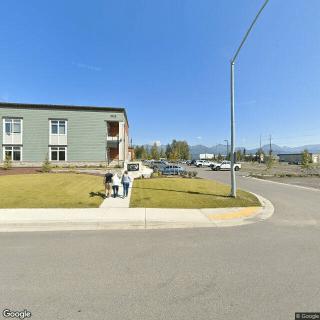
1566 Valarian Street, Anchorage, AK 99508
For more information about senior living options: (866) 208-4318
Overall Review of Nettie's Assisted Living Home
Pros
 The Lommel family and their staff provide great care, treating residents like family.
 - Alex and Bonnie are described as a Godsend to families and maintain open, respectful communication.
- The Marietta House feels like a warm, family-oriented home.
- The facility is beautiful, clean, and staffed by caring, professional people.
- The team is attentive and goes the extra mile to support residents and their families.
- The environment feels welcoming and comfortable, with home-style meals contributing to the atmosphere.
- The owners and staff are dedicated to providing the very best care and are highly recommended.
- The care staff help families navigate the process with honest guidance and support.
Cons
 The reviewer felt the family encouraged the advocate to rely on familiar providers and denied access to information.
- Bonnie allegedly refused to speak with them after they challenged the providers and avoided them.
- The mother had to push to get blood work, which showed she had not deteriorated as hospice staff had claimed.
- The staff told the mother she probably wouldn’t live through the weekend, which the reviewer found inappropriate.
- Six weeks later, they were told they would visit the mother, but never did.
- The food portions were small, causing the mother to lose 18 pounds, despite the meals being described as excellent.
- The reviewer raised concerns that caregivers in the room next to the mother sold river side property and a cabin to Alex, questioning the propriety.
- An informed advocate felt unwelcome, demeaned and put off.
Review
This Anchorage community is best suited for families that prize a warm, home-like atmosphere where residents are treated as part of a close-knit family and the owners are visibly hands-on. The pattern in the most telling experiences is a small, intimate setting with on-site leadership, where care plans are tailored, conversations with families are frequent, and staff deliver attention that feels more like personal hospitality than a rigid checklist. For seniors who thrive in predictable routines and value easy, unfettered access to caregivers, this model delivers comfort, security, and a sense of belonging that larger facilities often struggle to replicate.
Those weighing alternatives should consider whether a more formal, medically integrated environment is necessary. If a resident requires robust 24/7 medical oversight, specialized memory-care programs, or a facility with a broader staff to resident ratio, a larger, professionally managed community may be a better fit. Families seeking highly structured activity calendars, standardized protocols, or clear, third-party governance may find a more traditional setting provides the consistency and transparency they expect in day-to-day operations and decision-making.
The most compelling pros center on relationship-driven care. Residents benefit from a genuinely home-like vibe, with owners who are routinely on-site and deeply involved in daily routines, care plans, and family communications. The environment invites visits at virtually any hour, and staff are described as caring and professional, with a clear emphasis on meeting individual needs and respecting personal beliefs. Cleanliness, thoughtful layout, and the aroma of home-cooked meals contribute to a sense of security and comfort that can ease anxiety for both residents and family members. In short, the day-to-day experience often feels collaborative, not custodial, which is a powerful offset to the smaller scale.
Yet there are notable caveats that prospective families must scrutinize. A standout concern in one account centers on perceived limitations around information access and family advocacy, questions about medical testing, hospice status, and overall transparency require explicit, documented policies. Relatedly, there are questions about potential conflicts of interest and how financial or property-related matters are handled within the operation, underscoring the need for clear boundaries and independent oversight. Another tangible objection from a different review is about meal sizes and nutrition realities, with a resident reported to have lost weight on smaller portions. Taken together, these points are not showstoppers, but they demand proactive due diligence: demand transparent record access, establish written communication protocols, and confirm menus and dietary accommodations match resident needs.
The way the strong points interact with these concerns matters most. When ownership is directly accessible and care teams are responsive, families gain a dependable channel to address issues before they escalate. The intimate setting can reduce the sense of fragmentation that sometimes accompanies larger facilities, while flexible visitation and personalized attention can help families monitor nutrition, hydration, and daily routines more closely. To tilt the balance in favor of a positive outcome, it is essential to formalize expectations upfront: request a written care plan with measurable goals, insist on regular updates, and secure a clear policy on family access to medical records and staff communications. Additionally, verify staffing levels during different shifts and obtain a tour that includes interaction with current residents and families.
For families considering this type of home in Anchorage, the practical takeaway is to align priorities with the model. If warmth, attention, and a hands-on leadership team are non-negotiable, this setting offers extraordinary value and peace of mind. If, however, medical complexity, governance transparency, and scalable resources drive the decision, it is prudent to compare with larger, more regulated options. In the right match, where senior comfort, personalized care, and family involvement trump formal structure, this intimate, owner-led approach can be a precious, sustainable choice. Proceed with targeted questions, a careful menu and activity review, and a candid discussion about care escalation steps to ensure the fit remains strong over time.
 2 resident community capacity
 Assisted Living
 Board and Care Home
 Cable or satellite TV
 Dining room
 Fully furnished
 Garden
 Housekeeping services
 Move-in coordination
 Outdoor space
 Telephone
 Wi-Fi/high-speed internet available
 Ted Stevens Anchorage International (6 miles away)
 24-hour supervision
 Activities of daily living assistance
 Assistance with bathing
 Assistance with dressing
 Assistance with transfers
 Diabetes diet
 Meal preparation and service
 Medication management
 Special dietary restrictions
 Transportation arrangement (medical)
 Transportation to doctors appointments

 Comprehensive Supportive Living Arrangements for Adults with Disabilities
 Funding and Affording Assisted Living: A Thorough Overview
 Assisted Living Expenses and Long-Term Care Insurance: A Comprehensive Exploration