
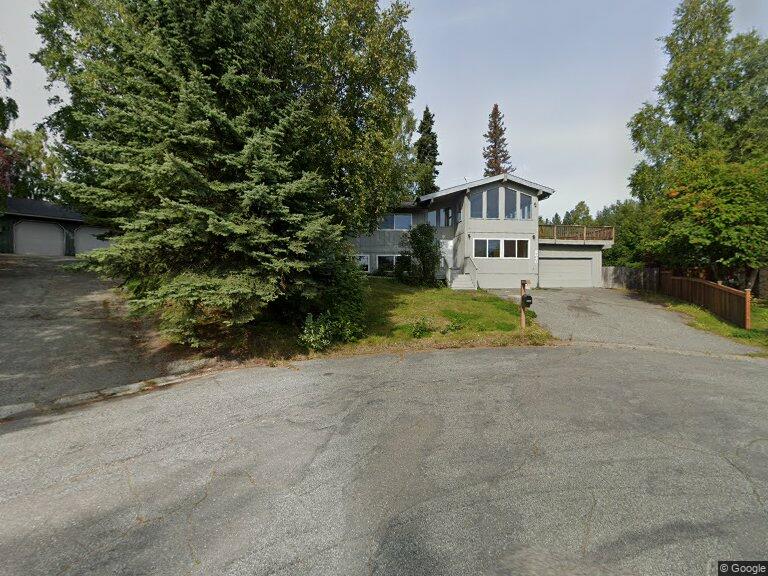
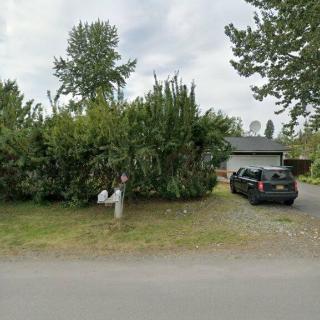
8040 Opal Circle, Anchorage, AK 99502
For more information about senior living options: (866) 208-4318
Overall Review of Marie Langley Assisted Living Home
Pros
 Grace, the owner, genuinely cares for the residents.
- The staff treat residents with dignity, care, and patience.
- The facility brings comfort and peace to families, knowing loved ones are safe.
- The caregivers are wonderful and provide excellent care.
- The environment is warm and home-like, with residents who are happy.
- The facility is under the direction of a nurse and has proper equipment.
- The staff have special training in caring for Alzheimer's and dementia patients.
- The facility provides ongoing end-of-life care without asking residents to leave.
Cons
 Dementia is a terrible disease.
- It was such a stressful time for the family to try to find a place where he would be well taken care of.
Review
Best suited for families facing dementia care decisions who want a small, home-like setting where staff deliver dignity, stability, and hands-on attention. In Anchorage, this community stands out for residents living with dementia or advancing memory challenges who benefit from everyday routines, gentle supervision, and a calm, familiar atmosphere. The accounts praise leadership that feels present and compassionate, with residents treated with patience and real dignity. Family members repeatedly note that residents are kept clean, groomed, and engaged in simple, comforting activities, reinforcing a sense of safety and belonging. For families seeking peace of mind and a place that feels like a supportive extension of home, this setting is particularly compelling.
Explicitly, those evaluating alternatives should consider the reality that this is a dementia-focused, end-of-life–oriented environment rather than a broad, hospital-like medical campus. If the loved one requires aggressive medical interventions, frequent complex rehabilitative services, or round-the-clock, hospital-grade nursing coverage, a larger facility with more extensive medical programs may be a better fit. Similarly, for families who prioritize a wide array of therapeutic recreation options or rapid escalation protocols for acute conditions, an expansive community with more resources could be preferable. In short, the strongest fit lies with dementia care needs anchored in a warm, intimate setting rather than a highly medicalized campus.
The strongest pros center on intimate, attentive care. Caregivers are described as wonderful, with dignity and love at the core of daily interactions. The environment feels like a home, not a clinical site, which reduces agitation and anxiety for residents with memory loss. Regular communication with families is a notable strength, ensuring care plans stay aligned with individual preferences. The staff’s ability to maintain cleanliness and grooming, while facilitating meaningful moments, such as simple activities and social time on a back deck, contributes to a stable, predictable routine that families associate with comfort and trust. The presence of nurse direction adds a reassuring layer of medical oversight without sacrificing the home-like ethos.
Where the narrative prompts caution, the implied cons relate to scope rather than neglect. The reviews describe a small, purpose-built setting with a clear emphasis on dementia care and end-of-life considerations, which may limit exposure to broader medical services or more diverse programming found in larger facilities. For residents whose needs evolve beyond memory care, or for families seeking extensive rehabilitation, complex medical treatments, or specialist therapies on-site, the model may require transitions or external coordination. This is not a flaw so much as an alignment question: does the care environment match the anticipated trajectory of the loved one’s condition?
Nevertheless, the strength of caregiver relationships and the consistency of communication tend to offset these limitations for families prioritizing comfort, dignity, and continuity of care. The staff’s conscientious approach and the overall warmth of the setting mitigate the emotional strain that often accompanies dementia caregiving. The combination of compassionate leadership, daily routines that preserve dignity, and a supportive, home-based vibe creates a stabilizing hub for residents and their families. In practical terms, this translates into fewer surprises and greater confidence that the loved one is cherished and protected, even as needs shift over time.
Decision-makers should approach this Anchorage option with a clear set of priorities: is the primary goal a peaceful, intimate environment that deeply understands dementia and honors end-of-life preferences? Is ongoing family involvement and transparent care updates valued as essential to daily life? If the answer is yes, this community offers a compelling, pragmatic fit. Prospective families should inquire about day-to-day schedules, how care plans adapt as conditions change, and the specifics of nursing oversight across evenings and weekends. Visiting in person, meeting the caregiver team, and discussing real-world scenarios will reveal whether the warmth and dignity noted in reviews translate into a sustainable, long-term home for a loved one.
 5 resident community capacity
 Assisted Living
 Board and Care Home
 Cable or satellite TV
 Dining room
 Fully furnished
 Garden
 Housekeeping services
 Move-in coordination
 Outdoor space
 Telephone
 Wi-Fi/high-speed internet available
 Ted Stevens Anchorage International (3 miles away)
 24-hour supervision
 Activities of daily living assistance
 Assistance with bathing
 Assistance with dressing
 Assistance with transfers
 Diabetes diet
 Meal preparation and service
 Medication management
 Special dietary restrictions
 Transportation arrangement (medical)
 Transportation to doctors appointments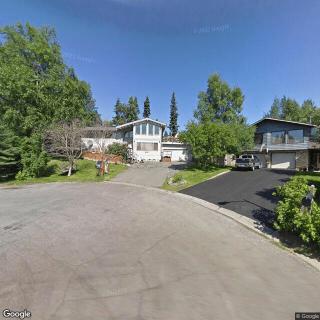


 Senior Transition Services: Understanding Their Role, Cost, and Importance
 Exploring the Path to Senior Living: A Comprehensive Look at Independent Living and Assisted Living
 Is Assisted Living Deductible on Your Taxes? Understanding the Complexities of Assisted Living Expenses and Deductions