
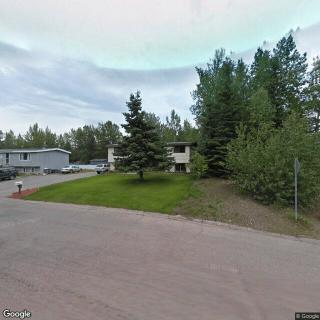
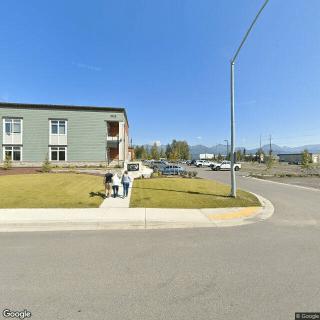
900 Allison Circle, Anchorage, AK 99515
For more information about senior living options: (866) 208-4318
Overall Review of Linda's Place
Pros
 The shelter is described as a great place to stay for the homeless.
- Linda's Place and its MASH staff are among the best and most helpful people encountered.
- The team at Linda's Place is credited with enabling positive outcomes, including veterans' support and broader community help.
- It is hailed as the best emergency shelter by far.
- The staff are amazing and do incredible work for everyone they meet.
- The shelter accommodates pets, allowing cats and dogs to be sheltered.
Cons
 There’s a 14-year-old in Valdez walking the streets after their father kicked them out, planning to walk to Anchorage.
- They had nowhere to stay but their car.
- The night staff were criticized for being loud and disrespectful to people trying to sleep.
- The location was deemed not appropriate, with a suggestion to place it somewhere else away from residential areas.
Review
Linda’s Place in Anchorage is best suited for individuals who need immediate shelter and value active, hands-on support, especially veterans who benefit from targeted outreach and coordinated services. The facility operates primarily as an emergency shelter with a community-centric approach, and reviewers repeatedly highlight the strength of staff and the involvement of veterans-focused teams (including MASH partners) that help residents move beyond homelessness. The shelter’s willingness to accommodate pets adds a meaningful access point for animal owners who would otherwise face barriers to sheltering. In short, this is not a polished, long-term care residence; it is a practical, responsive stopgap designed to stabilize people quickly, connect them with resources, and set the stage for longer-term improvements when opportunities arise.
Those weighing this option against alternatives should note who may want to consider other paths. For anyone seeking long-term assisted living with private rooms, routine medical oversight, and a quiet, home-like setting, Linda’s Place will likely fall short. Families looking for a facility with expansive privacy, upscale amenities, or strict quiet hours will find the environment mismatched to those expectations. Additionally, the location has drawn some critique: one clear sentiment from reviewers is that a shelter should not sit in a neighborhood where its presence disrupts nearby residents. For seniors or clients who require a highly predictable, low-stimulation routine, or who prioritize discretion and minimal neighborhood impact, alternatives beyond this shelter are worth exploring.
On balance, the strongest pros, caring, proactive staff; veteran-focused outreach; and the shelter’s pet-friendly policy, tend to offset several of the primary drawbacks, but not all. The praise for frontline workers and the sense that staff truly care translates into meaningful, tangible benefits: people feel supported, connected to resources, and more able to chart a path out of hardship. The ability to shelter animals is not a small matter; it removes a significant barrier for pet owners who would otherwise be unable to access shelter services. Positive anecdotes about residents ultimately finding housing, starting businesses, or re-engaging with their communities signal that the program can spark durable momentum when the right conditions align. Yet the shelter’s core identity remains emergency-first, not long-term care, which means the relief provided is often temporary and contingent on external resources and personal circumstance.
This dynamic translates into practical decision-making guidance. Linda’s Place is a compelling fit for clients who prioritize immediate safety, want to stay connected to veteran-support networks, and need access to responsive staff that can connect them with resources (housing programs, employment support, or social services). For families where the priority is a quiet, private, or disease-preventive environment, or where a resident requires steady medical management, it makes sense to compare with traditional assisted living communities or medical-leaning facilities. The presence of pets should be considered a major plus for eligible residents, while the overall shelter atmosphere should be anticipated as less private and more communal than typical living arrangements.
The final reality comes into sharper focus when weighing the drawbacks against the lived experience described by residents. Nighttime noise and activity, cited by some as a disruption to rest, is not a trivial issue in a shelter setting and may affect sleep quality and daytime functioning. Location-specific concerns, some reviewers want a setting away from residential zones or a preference for different regional placement, underscore that the community’s footprint matters just as much as its services. Prospective residents should plan to invest time in conversations with staff about expectations for sleep, safety, and daily routines, and they should assess whether the shelter’s pace and culture align with personal needs and family goals.
In sum, Linda’s Place stands out as a pragmatic, compassionate option when immediate shelter, veteran-minded support, and pet accommodation are the primary objectives. It is less suitable for those seeking long-term, private, medically supervised living, or for those who require a quieter, more insulated residential environment. Families and individuals who approach it with clear expectations, understanding that the core benefit is rapid stabilization and access to a supportive network, not luxury or private comfort, will likely find it a valuable stepping stone. For others, exploring alternative shelters or transitioning to licensed assisted living or age-in-place communities may yield a closer alignment to desired pace, privacy, and medical oversight.
 5 resident community capacity
 Assisted Living
 Board and Care Home
 Cable or satellite TV
 Dining room
 Fully furnished
 Garden
 Housekeeping services
 Move-in coordination
 Outdoor space
 Telephone
 Wi-Fi/high-speed internet available
 Ted Stevens Anchorage International (5 miles away)
 24-hour supervision
 Activities of daily living assistance
 Assistance with bathing
 Assistance with dressing
 Assistance with transfers
 Diabetes diet
 Meal preparation and service
 Medication management
 Special dietary restrictions
 Transportation arrangement (medical)
 Transportation to doctors appointments
 Choosing the Right Senior Care: A Detailed Exploration of Assisted Living and Nursing Homes
 Understanding the True Cost of Assisted Living in 2025: A Comprehensive Guide
 Understanding Medicaid Coverage for Assisted Living: A Comprehensive Guide