
2811 Pribilof Street, Anchorage, AK 99517
For more information about senior living options: (866) 208-4318
Hope Pribilof Costs & Pricing
Hope Pribilof offers competitive monthly rental rates that stand out favorably when compared to both the Anchorage Municipality and the broader state of Alaska. For a one-bedroom unit, the cost in Hope Pribilof is $2,600, significantly lower than Anchorage's average of $5,236 and the statewide average of $4,951. Additionally, for studio apartments, Hope Pribilof charges $3,300, which again is more affordable than Anchorage's rate of $4,599 and Alaska's overall average of $4,197. These figures suggest that Hope Pribilof provides a more budget-friendly option for residents seeking quality housing without compromising on comfort or accessibility.
| Floor plans | Hope Pribilof | Anchorage Municipality | Alaska |
|---|---|---|---|
| 1 Bedroom | $2,600 | $5,236 | $4,951 |
| Studio | $3,300 | $4,599 | $4,197 |
Assisted Living communities with a similar price nearby
-
About the same

Sheyla's Place
$2,550 / month4.9 miles away -
from +$500 / mo
House Of Peace
$3,100 / month4.9 miles away -
from -$400 / mo
Destiny Home Care
$2,200 / month3.6 miles away -
from +$450 / mo
Kiwi Assisted Living Home
$3,050 to $3,965 / month3.7 miles away -
from -$100 / mo
Rosewood Assisted Living
$2,500 to $3,000 / month5.5 miles away
Overall Review of Hope Pribilof
Pros
 The church community is friendly and eager to help those in need.
- The church generously allows food distribution in its parking lot to assist families.
- Non-members experience consistently delightful interactions with the church staff.
- The church is warm and welcoming, with a wonderful pastor and congregation.
- The food distribution program is a great resource for people in need.
- The mobile food bank operates in the parking lot on Tuesdays at 5 pm.
Cons
 A reviewer notes that the crowd is very old.
Review
Hope Pribilof is best suited for seniors who prioritize a faith-led, socially vibrant environment where a church serves as a community hub and practical support system. The space functions more as a welcoming congregation and neighborhood resource than as a traditional retirement campus. For older adults who value daily contact with peers, regular worship, Bible study, and opportunities to give back through volunteering, this community offers meaningful routine, connection, and spiritual nourishment. Its appeal rests on warmth, accessibility, and a visible commitment to serving others, including families needing food assistance. In short, Hope Pribilof works well for seniors seeking belonging and purpose within a compassionate, active faith community.
Those needing on-site care, memory-support programming, or formal assisted living services should consider alternatives. The reviews describe a dynamic church environment with a strong volunteer network, but no evidence of resident care, medical oversight, or structured elder-resident services. The setting assumes independence and mobility to participate in services and food distributions. For seniors who rely on daily living assistance, 24/7 staff, or a private living arrangement with professional caregiving, look to dedicated senior living communities. Mobility constraints may also make waiting in lines or navigating parking lot activities challenging for some, narrowing the suitability further.
From the positives, the warmth and generosity of the congregation are powerful assets. Descriptions show a welcoming culture where staff and members are helpful, and where the church collaborates with a mobile food bank to provide meals and supplies. That practical support can reduce isolation and stress for seniors and their families, expanding social ties beyond immediate family. The ability to access meeting spaces and friendly faces strengthens community integration. However, these strengths do not substitute for housing or daily care; the programmatic benefits hinge on voluntary participation and the ability to travel to and from events. The most meaningful value lies in social connection and spiritual grounding rather than in care orchestration.
Families evaluating options should view Hope Pribilof as a supplementary anchor rather than a primary residence. If the goal is steady social engagement, regular worship, and involvement in a giving community, this setting delivers. The church’s willingness to host gatherings, combined with a robust food distribution program, creates practical perks: predictable routines, volunteer opportunities, and access to resources that can support a senior’s day-to-day life. The trade-off is that these advantages come with the caveat of limited eldercare structure; that is, no on-site clinic, nursing oversight, or dedicated memory-care spaces. When aligned with a broader care plan, Hope Pribilof can lower isolation and add spiritual resilience.
Practical next steps include visiting during a service or study session to observe the culture and talk with leaders about any elder-related programs. Ask about transportation options, volunteer roles suited to older adults, and whether there are coordinated efforts to connect seniors with in-home care resources if needed. Assess how much value lies in the social routines versus the need for daily living support. Families should map a care plan that leverages the church's strengths, community, meals, and faith, while ensuring housing and medical needs are met elsewhere. The right fit emerges when social enrichment and spiritual community translate into tangible quality of life improvements.
In conclusion, Hope Pribilof stands out as a compassionate, engaged faith-community resource that can dramatically reduce loneliness and provide meaningful purpose for seniors who can participate in its programs. It is not a substitute for the essential services of a licensed assisted living or memory-care setting; for families seeking hands-on daily care, the appropriate path lies beyond this campus. The prudent approach is to integrate Hope Pribilof into a broader care strategy, leveraging its warmth and food-assistance network while securing appropriate housing and caregiving arrangements elsewhere. A thoughtful visit, conversations with church leaders, and a realistic assessment of mobility and care needs will illuminate the best path forward.
 2 resident community capacity
 Assisted Living
 Board and Care Home
 Cable or satellite TV
 Dining room
 Fully furnished
 Garden
 Housekeeping services
 Move-in coordination
 Outdoor space
 Telephone
 Wi-Fi/high-speed internet available
 Ted Stevens Anchorage International (2 miles away)
 24-hour supervision
 Activities of daily living assistance
 Assistance with bathing
 Assistance with dressing
 Assistance with transfers
 Diabetes diet
 Meal preparation and service
 Medication management
 Special dietary restrictions
 Transportation arrangement (medical)
 Transportation to doctors appointments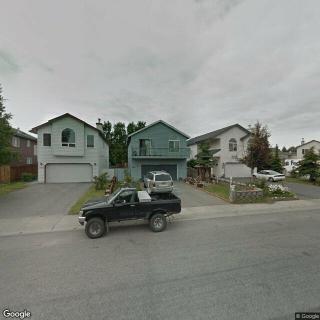
 Senior Transition Services: Understanding Their Role, Cost, and Importance
 Exploring the Path to Senior Living: A Comprehensive Look at Independent Living and Assisted Living
 Is Assisted Living Deductible on Your Taxes? Understanding the Complexities of Assisted Living Expenses and Deductions