
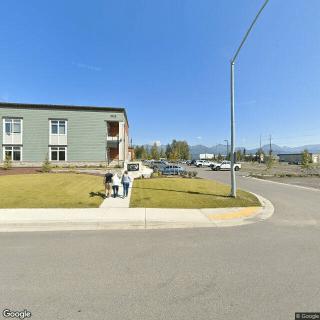
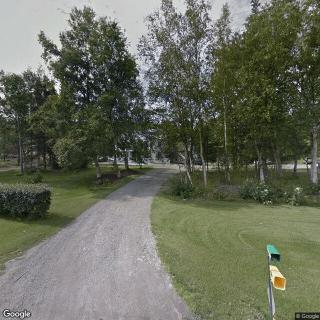
6830 Cherokee Way, Anchorage, AK 99504
For more information about senior living options: (866) 208-4318

Overall Review of Hope Cherokee
Pros
 It provides fantastic services tailored to help those with special needs.
- It is a great place with great people.
- The services enable clients to participate in fun activities, all top notch.
- It is good for people with disabilities and a great resource.
- It serves soup that visitors love.
- It is a great place doing great things.
- There are very kind, professional, and capable people who work there.
- Visitors usually have good experiences when visiting Hope.
- It is an honest business focused on helping people with special needs.
Cons
 The employee parks illegally in a restricted spot every day, undermining their role model status.
- The staff have been unresponsive and disrespectful, displaying bad behavior.
- The leadership totally needs an overhaul and risks their own downfall.
- The staff are unprofessional, rude, arrogant, and dismissive.
- They coerce clients and threaten them into doing what staff wants.
- They insist on being involved in meetings they are not entitled to without client consent.
- They make false accusations and manipulate clients when others empower their clients to stand up for themselves.
- The staff are petty and need to learn boundaries.
Review
Hope Cherokee in Anchorage is best suited for adults who need ongoing social supports, day-program activities, and resources tailored to people with disabilities. It functions more as a community hub and service center than a traditional, private residence. Families should view it as a place that can connect residents to meals, showers, clothing, mail, and structured activities, with staff who can be kind and capable in many moments, but not as a conventional, private living option where privacy and predictable routines are guaranteed.
Those evaluating options should explicitly consider alternatives if the goal is a standard assisted living experience. For families seeking a clearly delineated living environment with tight staffing controls, consistent boundaries, and a traditional residential cadence, other communities may be a better fit. Hope Cherokee’s model combines social services with public-facing resources; if the emphasis is on independence, privacy, and a predictable day-to-day schedule, contemporaries in the assisted-living space could deliver a more traditional experience. It’s important to match expectations to the setting’s strengths and limitations.
On the plus side, the community earns credibility for offering activities that engage residents and for a staff cohort that can deliver genuine kindness and competence on many days. Reviewers repeatedly point to friendly, professional personnel who work well with individuals who have special needs, and to a sense that the center contributes meaningful benefits to those it serves. The breadth of resources, meals, showers, clothes, mail services, and a supportive social environment, constitutes a meaningful “value package” for people who need hands-on support and social integration, not merely a place to exist.
Yet, significant concerns temper the positives. Several accounts highlight leadership that is deeply in need of overhaul, potentially undermining consistency and confidence in management. More troubling are repeated reports of unprofessional, rude, and dismissive staff behaviors, with accusations of coercion in meetings and overstepping resident rights. Instances described as coercive or boundary-pushing can erode trust, create an adversarial atmosphere, and make residents feel disempowered. These patterns, when present, are not minor jitters; they strike at the core of safety, dignity, and autonomy that families rightly expect in a long-term care setting.
The core tension hinges on whether the pros can outpace the cons for a given resident. For a person who thrives in a rich programming environment and benefits from accessible community resources, the robust menu of services at Hope Cherokee is a meaningful advantage. However, the persistence of leadership tensions and problematic staff interactions can magnify day-to-day stress, disrupt consistency, and complicate decision-making for families. If the primary objective is stable, respectful care within a well-run system, these concerns must be weighed heavily. The value proposition is strongest when the resident is engaged, communicates well with staff, and has advocates who can monitor and steer their experience.
For families making a decision, the recommended approach is thorough due diligence before moving forward. Tour the facility with specific questions about resident rights, consent processes, and how meetings are conducted to ensure residents’ voices are protected. Observe interactions between staff and residents to gauge respect, boundaries, and warmth in real time. Ask leadership for recent examples of improvements, staff training plans, and metrics on resident satisfaction. Consider starting with day-program or service-based engagement to assess fit before committing to a longer-term living arrangement. In the right circumstances, Hope Cherokee can be a valuable community resource; in others, a more traditional assisted-living setting may deliver the steadier, more autonomous experience desired.
 2 resident community capacity
 Assisted Living
 Board and Care Home
 Cable or satellite TV
 Dining room
 Fully furnished
 Garden
 Housekeeping services
 Move-in coordination
 Outdoor space
 Telephone
 Wi-Fi/high-speed internet available
 Ted Stevens Anchorage International (8 miles away)
 24-hour supervision
 Activities of daily living assistance
 Assistance with bathing
 Assistance with dressing
 Assistance with transfers
 Diabetes diet
 Meal preparation and service
 Medication management
 Special dietary restrictions
 Transportation arrangement (medical)
 Transportation to doctors appointments
 When to Transition from Assisted Living to Memory Care: Key Indicators, Steps, and Finding the Right Community
 Assisted Living and Memory Care: Understanding Their Core Differences
 Beyond the Bingo Hall: 50+ Enriching Activities for Seniors in Assisted Living