
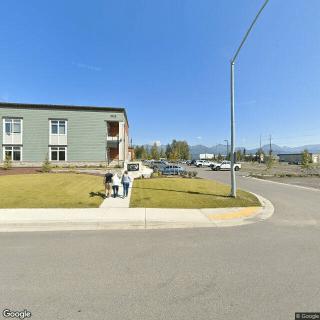
6074 Doncaster Drive, Anchorage, AK 99504
For more information about senior living options: (866) 208-4318

Overall Review of Hickok Assisted Living Home
Pros
 Baxter Senior Living is a wonderful place to live.
- The staff are hardworking, friendly, and truly care about the residents.
- Baxter Senior Living is described as a community rather than an institution.
- The management team is praised for fostering a caring, supportive environment.
- The staff extend a warm welcome, demonstrating compassion and respect.
- Residents appreciate the camaraderie and social engagement among neighbors.
- The facility is clean, offers high-quality meals, and resolves issues promptly.
- Residents thrive in the Baxter environment, with happiness and a sense of security.
Review
This community is best suited for families seeking a warm, community-centered senior living environment where staff genuinely invest in residents’ daily lives. The Anchorage experiences described in these reviews show a setting that feels less like a facility and more like a neighborhood where neighbors help one another, and where staff actively cultivate social connections. It is particularly well matched for seniors who want built-in activities, regular meals that feel-homey, and transitions in care (such as moving from assisted living to memory care) that are handled with continuity and care. Residents who prize accessibility, predictable routines, and visible leadership will find this model reassuring.
Those who may want to consider alternatives are those with higher-acuity medical needs that require around-the-clock clinical oversight, or families seeking a more hospital-like or more clinical environment. If on-site physicians, advanced infusion services, or highly specialized dementia protocols are non-negotiable, it is prudent to compare options that foreground 24/7 medical staffing and in-house therapy suites. People working with tighter budgets or different care preferences, such as a more independent-leaning setting with fewer structured activities, might also explore other communities to ensure alignment with financial expectations and day-to-day rhythm.
The strongest pros here are the staff’s evident dedication, the authentic sense of community, and the clean, well-run ambiance. The reviews repeatedly highlight hardworking, compassionate employees who remember residents’ preferences, respond promptly to concerns, and foster meaningful connections across care levels. The leadership is portrayed as hands-on and resident-focused, which helps sustain trust when needs evolve. These advantages offset the absence of a clinical brag-sheet in the feedback by delivering reliable day-to-day care, consistent communication, and a welcoming atmosphere where residents engage with each other across age groups and care tracks.
Memory care transitions come across as a particular strength in these reviews. Families describe a smooth journey where the care team remains involved from the assisted living phase into memory care, preserving continuity and dignity. The social fabric, where residents from one part of the community participate in activities and lend support to others, reduces isolation during a vulnerable time and reassures families that a resident won’t be moved into a silo. The presence of peer volunteers and the emphasis on respect and camaraderie create a supportive ecosystem that often proves more restorative than isolating individualized care plans.
Daily life and the living environment are painted as practical positives: spotless upkeep, appealing dining options, and a calendar full of accessible activities. Residents enjoy the privacy of comfortable one-bedroom apartments while still benefiting from a strong sense of belonging and daily opportunities to socialize. The dining experience and meal quality are repeatedly cited as important quality-of-life drivers, reinforcing that nutrition and enjoyment go hand in hand with safety and security. Cleanliness, timely issue resolution, and responsive family-friendly service round out a picture of a well-managed operation where family peace of mind is a natural by-product.
For families weighing Hickok against alternatives, the practical questions to pursue are clear. Ask for a transparent tour with the leadership team to hear how memory care is staffed and integrated, and to see how the dining, activity, and transportation systems function in real life. Inspect the layout: is there a straightforward route between living spaces, dining rooms, and activity areas? Request sample menus, calendars of events, and a breakdown of what is included in the base rate versus add-ons. Talk with current residents and families about consistency of care, staff turnover, and how concerns are handled. Finally, map expectations against budget and long-term care plans, and insist on a move plan that minimizes disruption and preserves continuity of care as needs evolve.
 3 resident community capacity
 Assisted Living
 Board and Care Home
 Cable or satellite TV
 Dining room
 Fully furnished
 Garden
 Housekeeping services
 Move-in coordination
 Outdoor space
 Telephone
 Wi-Fi/high-speed internet available
 Ted Stevens Anchorage International (8 miles away)
 24-hour supervision
 Activities of daily living assistance
 Assistance with bathing
 Assistance with dressing
 Assistance with transfers
 Diabetes diet
 Meal preparation and service
 Medication management
 Special dietary restrictions
 Transportation arrangement (medical)
 Transportation to doctors appointments

 Senior Transition Services: Understanding Their Role, Cost, and Importance
 Exploring the Path to Senior Living: A Comprehensive Look at Independent Living and Assisted Living
 Is Assisted Living Deductible on Your Taxes? Understanding the Complexities of Assisted Living Expenses and Deductions