
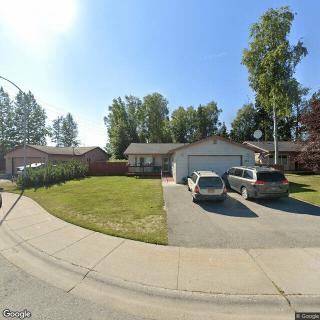
1307 West 46th Avenue, Anchorage, AK 99503
For more information about senior living options: (866) 208-4318
Overall Review of Caritas Assisted Living Home II
Pros
 The Marietta House Assisted Living is described as one of the best in Anchorage.
- The Lommel family and their staff treat residents like family.
- They take time to get to know residents and cater to their needs without hesitation.
- Bonnie’s attention to detail and experience contributed to outstanding care.
- Alex and Bonnie are a Godsend to families.
- They maintain open communication and allow visits at any time.
- They foster a caring family atmosphere and are very professional.
- The facility is beautiful, and the staff are caring.
- The Marietta House has a true family-home feeling and serves delicious home-cooked meals.
- The owners are hands-on and ensure the experience meets families’ expectations.
Cons
 The reviewer felt the family advocate was pressured to trust the facility and denied access to information.
 - Bonnie allegedly refused to speak with the reviewer and avoided them after concerns were raised.
- The reviewer asserted that the patient did not deteriorate as hospice had predicted, based on later blood work.
- The reviewer noted the food portions were small, leading to weight loss despite the meals being described as excellent.
- The reviewer questioned whether it was appropriate that a caregiver sold riverfront property and a cabin to Alex.
- The reviewer stated that an informed advocate should be welcomed, not demeaned or dismissed.
Review
This Anchorage community is best suited for families seeking a small, home‑like assisted living experience where residents are embraced as part of the family and staff stay deeply engaged with daily life. The model shines for those who prize visibly hands‑on leadership, a warm, family atmosphere, and regular, meaningful interaction with caregivers. Families repeatedly report that owners who run the operation are present, attentive, and committed to treating residents with respect and individual consideration. The environment feels intimate rather than institutional, with a focus on comfortable routines, home‑style meals, and a setting that invites visits without rigid scheduling. For someone prioritizing emotional continuity, emotional warmth, and a sense of belonging, this is a standout fit in the Anchorage scene.
Alternatives are worth considering for residents who require more formal medical oversight, larger clinical teams, or stricter transparency about care decisions. The strongest caveat here is the potential gap between the intimate, family‑driven model and the assurances families expect from more traditional, larger facilities. One family highlighted challenges around information access and communication, noting the importance of an assertive advocate to ensure timely access to medical details. For residents who expect consistent, hands‑off governance with clearly defined medical authority, or who want ironclad, documented processes for care decisions, exploring other options with formal care coordination structures may be prudent. This is not a failing so much as a matter of match to needs and expectations.
The primary pros, the genuine warmth, hands‑on leadership, and strong family involvement, often offset the few drawbacks by delivering peace of mind that care is personal and responsive. Families laud the “treat you like family” ethos, the ability to contact staff frequently, and the openness to visits at any hour. The atmosphere tends to reduce the isolation seniors can feel in larger facilities, and staff seem motivated to honor residents’ beliefs and preferences, especially in end‑of‑life contexts. Cleanliness, thoughtful lay‑out, and the consistently home‑cooked feel of meals further reinforce a sense of safety and comfort. In short, the positives create a legible, predictable daily rhythm that many families find reassuring when a loved one prefers not to be swallowed by impersonal routines.
On the other hand, the on‑site care model appears to rely heavily on the owners’ active involvement and a smaller care team. That can translate into excellent, personalized attention but may leave families yearning for more formal channels for medical oversight and routine documentation. The presence of hospice care alongside a small, family‑run operation can be a strong alignment for some residents, yet it can also surface questions about who is supervising day‑to‑day medical decisions and how quickly routine lab work or changes in condition are escalated. Families should verify exactly who administers medications, how often a resident is seen by a nurse, and what protocols govern urgent medical communication, especially for residents with complex needs or fragile health.
In the final reckoning, this community should be top of mind for families prioritizing intimate, family‑driven care in a homey Anchorage setting. It is not the default pick for those who demand the strongest emphasis on formal medical governance or unambiguous transparency in every decision. Prospective residents and their families are advised to do deliberate due diligence: schedule a tour, speak with current residents’ families, request a sample care plan and daily schedules, and obtain written policies on communication, medication management, and conflict of interest. If core values align, personal, attentive care; open, frequent communication; and a welcoming, almost home‑like daily life, then this option becomes an ideal choice. If not, it is worth continuing the search until a setting with a more formal care architecture and broader clinical support presents itself.
 5 resident community capacity
 Assisted Living
 Board and Care Home
 Cable or satellite TV
 Dining room
 Fully furnished
 Garden
 Housekeeping services
 Move-in coordination
 Outdoor space
 Telephone
 Wi-Fi/high-speed internet available
 Ted Stevens Anchorage International (3 miles away)
 24-hour supervision
 Activities of daily living assistance
 Assistance with bathing
 Assistance with dressing
 Assistance with transfers
 Diabetes diet
 Meal preparation and service
 Medication management
 Special dietary restrictions
 Transportation arrangement (medical)
 Transportation to doctors appointments

 Vibrant Senior Living: A Comprehensive Guide for Active Older Adults
 When to Transition from Assisted Living to Memory Care: Key Indicators, Steps, and Finding the Right Community
 Assisted Living and Memory Care: Understanding Their Core Differences