
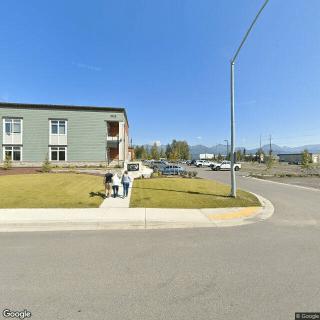
3154 Campbell Airstrip Road, Anchorage, AK 99504
For more information about senior living options: (866) 208-4318
Overall Review of Assisted Living Transitions I
Pros
 The facility's care, staff, and medical services are outstanding.
- Families note improved quality of life and happiness for their loved ones after staying there.
- The staff are described as amazing, caring, and dedicated.
- The facility is beautiful, with a strong caregiving team.
Cons
 They would not recommend this facility.
Review
Assisted Living Transitions I in Anchorage is best suited for seniors who require reliable daily living support combined with steady medical oversight, delivered in a warm, well-staffed environment. The community shows particular strength for residents moving from hospital or other acute settings into extended care, where the emphasis is on stability, consistent caregiving, and maintaining mood and comfort as recovery progresses. Families seeking visible, dependable staff who actively monitor health and daily routines will find this setting aligns with those priorities. The focus on transition support makes it a solid fit for anyone aiming to minimize hospital readmission risk while preserving daily dignity and familiar rhythms.
Those who should consider alternatives include anyone prioritizing maximum independence, lower costs, or care designed around memory care or specialized therapies not highlighted here. If the goal is longer-term independence with minimal structure or fewer medical interventions, in-home care or a smaller, less medicalized assisted-living option may suit better. For residents with budget constraints or those seeking a different social or activity calendar, other facilities with distinct fee structures or programming could be more appropriate. If specific cognitive needs or highly specialized services are required, exploring facilities with a proven track record in that niche is prudent.
The strongest pro is the caregiving team and medical oversight. Reports describe a beautiful facility paired with amazing staff and caregivers, and residents consistently express happiness and improved quality of life after transitioning there. The combination of attentive daily assistance and accessible medical support helps stabilize health trajectories, reduces anxiety for families, and lowers the likelihood of avoidable hospital visits. The positive atmosphere and responsive caregivers contribute to a sense of security, which matters as health needs evolve. Overall, the environment appears well-suited to ongoing recovery, emotional wellbeing, and smoother transitions through different care stages.
A single negative remark serves as a cautionary note: not every experience will perfectly match expectations. With only one vocal dissent among several favorable reports, the concern points to potential variability in individual experiences, perhaps around autonomy, pace of care, or alignment with personal goals. While the consensus leans strongly positive, a thoughtful family should probe into how care plans are tailored, how resident voice is incorporated, and what happens if preferences shift. This is not a flaw in the model so much as a reminder to verify that the resident’s preferred balance of independence and supervision can be maintained over time.
On balance, the combination of a dedicated caregiving staff and solid medical support tends to offset the plausible downsides. The consistent praise from multiple families, citing improved mood, higher satisfaction with daily life, and trust in the care team, signals a stable living environment that supports healing and ongoing health management. The facility’s appeal, attractive surroundings, visible staff engagement, and a compassionate culture, enhances comfort for both residents and families navigating transition. For seniors who need dependable care within a structured but humane setting, the pros substantially outweigh the lone negative instance.
For families evaluating this community, approach the decision with practical scrutiny and a clear plan. Request a detailed current care plan and a meet-and-greet with key caregivers and the administrator to set expectations. Inquire about staff-to-resident ratios at different shifts, the specifics of what “Extended Care” covers for ongoing needs, and how care goals are chosen, documented, and revised. Clarify financial arrangements, including insurance and long-term care benefits, and whether respite or trial stays are possible to test compatibility. Finally, confirm proximity to medical providers, transportation options, and opportunities for social and recreational activities that align with the resident’s interests and daily routine.
 5 resident community capacity
 Assisted Living
 Board and Care Home
 Cable or satellite TV
 Dining room
 Fully furnished
 Garden
 Housekeeping services
 Move-in coordination
 Outdoor space
 Telephone
 Wi-Fi/high-speed internet available
 Ted Stevens Anchorage International (8 miles away)
 24-hour supervision
 Activities of daily living assistance
 Assistance with bathing
 Assistance with dressing
 Assistance with transfers
 Diabetes diet
 Meal preparation and service
 Medication management
 Special dietary restrictions
 Transportation arrangement (medical)
 Transportation to doctors appointments

 Comprehensive Insights into Activities of Daily Living (ADLs) and Their Assessment
 Medicare Coverage for Assisted Living: An In-Depth Exploration
 Your Comprehensive Guide to Luxury Assisted Living: Elevated Facilities, Amenities, and Costs