
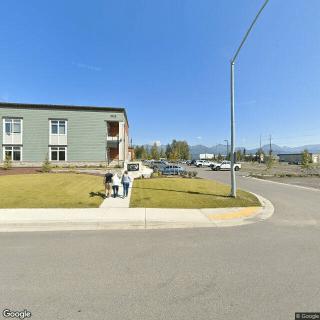
3907 Barbara Drive, Anchorage, AK 99517
For more information about senior living options: (866) 208-4318
Overall Review of 3 Angels' Assisted Living Home II
Pros
 The team is amazing and provides ongoing support, with Sue and the crew being great.
- Randie has a happy demeanor and a willingness to learn that is like a breath of fresh air.
- Marjorie is a dynamo—full of life and energy, with a bubbly presence and a kind heart.
- Tonya cares deeply for the grandparents and offers knowledgeable guidance through aging in place.
- Sue listened to needs, helped identify unseen needs, and ensured a perfect fit for the family.
- Alex has been a godsend; her calm and loving spirit enriches the lives of the parents and provides reliable support.
- Linda is an exceptional caregiver; her skills and confidence form a trusted bond with clients.
- The caregivers are patient and kind, keeping families informed and supported.
- Savannah and Annette consistently go above and beyond.
- Sue and Christie are angels, with care that exceeds expectations and feels like family.
Cons
 The GM and the main supervisor and their staff are thieves and are failing to provide contracted services while still accepting payment.
- The bathroom has been left in a hazardous condition for months, with the resident not having a change of clothes or a shower in over three weeks.
- The GM refuses to acknowledge or correct these lapses, which create a critical health hazard.
- Blood on the toilet where the resident sits poses a danger to open wounds and potential pressure sores from prolonged sitting.
- Showers have not been cleaned for six months, failing to mitigate health hazards.
Review
3 Angels' Assisted Living Home II in Anchorage is best for families seeking an intimate, home-like setting where care feels personal and responsive. The community shines when aging in place is the goal, backed by hands-on help and daily contact with caregivers who treat residents like family. Reviews consistently highlight staff warmth, reliability, and a willingness to adapt to changing needs, from daily living tasks to memory support. The environment supports dementia care through direct attention and structured activities, including memory-focused routines that staff actively guide residents through. For families prioritizing stability, frequent caregiver engagement, and a welcoming living atmosphere over a clinical, impersonal vibe, this is a standout match.
Those with higher medical needs or a desire for a larger, more facility-like ecosystem may want alternatives. If robust on-site nursing, regular clinical oversight, or a broader slate of rehabilitative services are non-negotiable, a bigger community could deliver more comprehensive medical infrastructure. Residents who crave a wider social calendar, more amenities, or extensive in-house therapy options might also prefer a larger setting. Budget considerations matter too; intimate homes can deliver exceptional daily attention but may not bundle every service a larger campus can offer. For families seeking 24/7 on-call nursing or easy access to extensive transportation options, another option could be a better fit.
The strongest positives center on an intimate, caregiver-driven approach. Caregivers are described as energetic, patient, and deeply engaged, with staff members who quickly adapt to dementia programming and collaborate with memory-support professionals. The presence of memory-focused activities, such as MapHabit-guided routines, helps residents maintain routine and cognitive engagement, which is a meaningful quality-of-life factor. The small team structure supports reliable communication with families, so updates and concerns feel timely and respectful. The setting’s coziness also enhances safety and observation, enabling staff to notice subtle changes and respond promptly, an advantage that larger facilities sometimes struggle to match.
A potential trade-off to consider is the inherent limit of a smaller home: coverage gaps can occur if staff members are on vacation or when last-minute scheduling challenges arise. While the care quality is consistently strong, the limited on-site medical footprint means some health needs will require coordination with external providers. Caregiver turnover, though not highlighted as a systemic issue in these reviews, remains a plausible concern in any intimate home, so prospective families should ask about backup staffing, shift coverage, and how emergencies are handled overnight. A notably negative review in the broader agency landscape serves as a reminder to verify accountability and transparent problem-solving practices before committing.
To make a well-informed decision, prospective families should seek a concrete view of daily operations and care planning. Key questions include: what is the caregiver-to-resident ratio per shift, and who covers nights and weekends? what dementia-specific training is provided, and how is progress communicated to families? how is aging-in-place managed as needs escalate, and is there on-site nursing or visiting clinicians? what does the fee structure include, and how do costs change with care level? Asking for a tour of a typical day, meeting the primary caregiver and backups, and requesting recent resident-specific care plans will reveal how closely reality aligns with promises.
In the end, 3 Angels' Assisted Living Home II offers a warm, intimate, hands-on living environment with strong dementia support and a team that often feels like family. The daily reality of attentive, engaged caregivers paired with cognitive activity programs translates into meaningful, practical benefits for residents who thrive on close relationships and routine. If these features align with the senior’s needs and the family’s expectations for ongoing communication and involvement, this option warrants serious consideration. If, instead, the priority centers on clinical oversight, broader amenities, or highly standardized services, exploring alternatives with due diligence remains the prudent path.
 5 resident community capacity
 Assisted Living
 Cable or satellite TV
 Dining room
 Fully furnished
 Garden
 Housekeeping services
 Move-in coordination
 Outdoor space
 Telephone
 Wi-Fi/high-speed internet available
 Ted Stevens Anchorage International (2 miles away)
 24-hour supervision
 Activities of daily living assistance
 Assistance with bathing
 Assistance with dressing
 Assistance with transfers
 Diabetes diet
 Meal preparation and service
 Medication management
 Special dietary restrictions
 Transportation arrangement (medical)
 Transportation to doctors appointments
 Choosing the Right Senior Care: A Detailed Exploration of Assisted Living and Nursing Homes
 Understanding the True Cost of Assisted Living in 2025: A Comprehensive Guide
 Understanding Medicaid Coverage for Assisted Living: A Comprehensive Guide