Tides At Crimson Village

1410 18th Avenue E, Tuscaloosa, AL 35404

For more information about senior living options: (844) 490-3973

4.5 from 51 reviews
5 stars
43
4 stars
2
3 stars
1
2 stars
1
1 stars
4

Assisted Living Memory Care

Tides At Crimson Village Costs & Pricing

At Tides At Crimson Village, the monthly costs for various living arrangements offer a competitive alternative compared to local and state averages in Tuscaloosa County and Alabama. The semi-private rooms are priced at $1,745, significantly lower than both the county's average of $2,406 and the state's average of $3,495. For those considering a studio apartment, Tides offers it at $2,000, which again undercuts the county's average of $2,497 and is more economical than the state's average of $3,279. Lastly, the one-bedroom units are available for $3,000, presenting a favorable option when compared to Tuscaloosa County's average of $2,741 and Alabama's average of $3,417. Overall, Tides At Crimson Village stands out as a cost-effective choice while maintaining a commitment to quality care and comfortable living.

Floor plansTides At Crimson VillageTuscaloosa CountyAlabama
Semi-Private$1,745$2,406$3,495
Studio$2,000$2,497$3,279
1 Bedroom$3,000$2,741$3,417

Overall Review of Tides At Crimson Village

Pros

  • pro The staff are very caring and always there for residents.
  • pro Caregivers check on residents to ensure they are alright and have what they need.
  • pro Crimson Village is a great facility.
  • pro The staff go the extra mile for all residents.
  • pro The facility offers hospitality and true care.
  • pro The atmosphere and the staff are out of this world.
  • pro The facility is very clean.
  • pro The staff take pride and love for their residents.
  • pro Crimson Village is a beautiful place.

Cons

  • pro The review claims residents are shut up in their rooms like prisoners.
  • pro It asserts the facility charges well over $4,000 per month and imposes extra fees for hair services, drugs, toilet paper, laundry soap, and other personal hygiene needs.
  • pro It alleges the staff do nothing to keep memory care residents stimulated and that there is little creativity in care.
  • pro It states residents are yelled at to get back in their rooms.
  • pro It alleges bruises on a resident were not reported to the family and that such incidents were not properly communicated.
  • pro It describes the food as the worst on the planet.

Review

Crimson Village emerges from these accounts as a community that many visitors describe with warmth and gratitude. Across several reviews, the staff is praised as genuinely caring, attentive, and quick to respond to residents' needs. One reviewer recounted a caregiver entering their room simply to check on them and ensure they were alright, noting that the staff member even followed up when the resident had been busy getting ready for tomorrow. The overall impression put forth by numerous voices is one of a facility where kindness and availability from the caregiving team are consistent and reassuring, and where residents feel seen and supported.

Family members express particularly strong appreciation for the way the facility treats loved ones. A son or other family member notes that Crimson Village is "great" and that staff consistently go the extra mile for all clients, with his father in particular seeming happier than he has in a long time. Another reviewer describes a moment of gratitude for the level of hospitality and genuine care, saying the atmosphere and the staff were "out of this world," and even joking that the only reason for not awarding ten stars is that five aren't enough. These testimonials emphasize a sense of comfort and relief that comes from knowing a loved one is cared for with attentiveness and warmth.

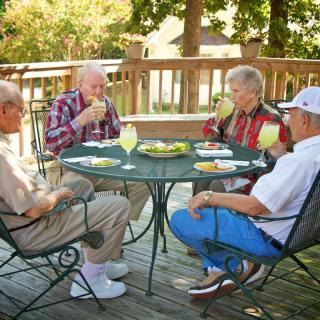
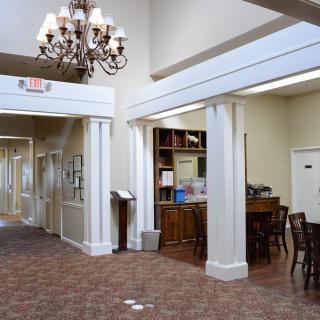
Several reviews highlight the physical environment as a positive factor. Reviewers call Crimson Village a lovely place where the building, the staff, and the atmosphere come together to create a strong, positive impression. The facility is described as clean and well-kept, and the surroundings are portrayed as beautiful. Taken together, these remarks paint a picture of a campus that feels welcoming and well-maintained, contributing to residents' sense of well-being and residents' families' peace of mind.

Beyond atmosphere, many accounts underscore a deep appreciation for the people who work there. One reviewer stresses the staff's pride and love for their residents, labeling the facility as a place with a 10/10 level of care in their eyes. The consistent praise for staff kindness and the caring culture suggests that, for several families, Crimson Village stands out for the emotional and relational quality of care, not solely for clinical services. The sentiment is that this is a setting where staff are oriented toward resident-centered warmth, which leaves a strong, positive impression on guests and family members.

Not all feedback follows a single thread of praise, however. A reviewer who is still living at the facility describes a troubling contrast: the second shift, in their view, does not consistently fulfill routine chores - laundry, trash removal, and routine monitoring - while residents are asserting growing independence and questioning staff about permissions to leave. The tone suggests a concern about consistency and the balance between promoting autonomy and ensuring safety, with the implication that some staff may be less engaged with daily caregiving tasks than others.

There is also a more personal, internal perspective from someone who started at Crimson Village in October 2021 and later felt growing tension after changes in the months that followed. That reviewer recounts finding it hard to feel comfortable due to a shift in dynamics - describing the environment as tense and suggesting that things changed for the worse after an internal disruption. The point here is not merely about dissatisfaction with management but about how changes in leadership and team dynamics can affect day-to-day morale and the overall atmosphere for both staff and residents.

Perhaps the most pointed and controversial portion of the shared experiences centers on a lengthy critique of memory-care practices and overall value. In one extended account, a reviewer portrays Crimson Village as a facility that is beautiful on the surface but, in their view, fails to deliver essential care for memory-care residents. Allegations abound: residents allegedly being kept in their rooms like prisoners, workers described as primarily motivated by a paycheck, and a picture of a facility that chases prestige through events while neglecting practical needs like toilet paper, laundry soap, hair services, and other personal hygiene items. The reviewer estimates the cost of residency at well over $4,000 per month and lists additional charges for services such as hair appointments, drugs, and supplements, arguing that the financial burden is coupled with a lack of basic support, stimulation, and timely response to problems. They recount specific incidents - apparent bruises not reported to families, a harsh reaction to a resident stepping out of their room, and a pandemic-era lapse in hair washing that was denied or dismissed as a communication failure - building a narrative of distrust and perceived under-treatment in memory-care situations. The conclusion is that, for this reviewer, the facility prioritizes financial and logistical concerns over the humane, individualized care that memory-care residents deserve. The review closes with a blunt warning: be wary of what you are asked to invest, as the experience may not live up to the promises implied by the setting.

In closing, the collection of impressions presents Crimson Village as a place of dual realities. On one hand, it consistently earns praise for caring, attentive staff, a warm and welcoming atmosphere, and a clean, attractive environment that brings comfort and pride to families and residents alike. On the other hand, there are serious cautions raised about certain shifts in staff engagement, potential gaps in daily caregiving routines, and deeply troubling allegations around memory-care practices and overall value. The most nuanced takeaway is that while many people find Crimson Village to be a wonderful and reassuring place, there are important concerns that individuals should consider and discuss openly with facility leadership when evaluating it for a loved one. For those already connected to Crimson Village, the sentiment remains that the staff's kindness and the facility's beauty can be a source of real comfort, even as questions about policy, consistency, and resident well-being linger for some.

Features

Housing

  • 32 resident community capacity 32 resident community capacity

Types of Care

  • Assisted Living Assisted LivingAssisted living facilities provide crucial support and care for seniors who may need help with daily tasks such as medication management, bathing, and meal preparation. These communities offer a safe and comfortable environment where seniors can maintain their independence while receiving the assistance they need to thrive in their golden years.
  • Memory Care Memory CareMemory care is crucial for seniors as it provides specialized support and services for individuals with dementia or Alzheimer's disease. These programs offer a safe and secure environment where residents receive personalized care, cognitive stimulation, and help with daily activities. Memory care helps seniors maintain their independence, quality of life, and dignity while also providing peace of mind for their families.

Amenities

  • Beauty salon Beauty salonBeauty salons are important for seniors because they provide a space for them to feel pampered, socialize, and maintain their personal grooming and hygiene. Regular visits to a beauty salon can help boost seniors' self-esteem and overall well-being.
  • Cable or satellite TV Cable or satellite TVCable or satellite TV is important for seniors because it provides entertainment, news, and companionship, helping to combat loneliness and boredom. It also offers a wide range of programming options tailored to different interests and preferences.
  • Dining room Dining roomDining rooms are important for seniors as they provide a space for socialization, connection, and nutritious meals. They offer opportunities for residents to bond over shared meals, foster a sense of community, and promote healthy eating habits. Dining rooms also ensure that seniors have access to well-balanced meals tailored to their dietary needs and preferences.
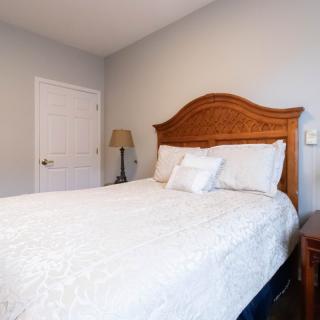
  • Fully furnished Fully furnishedFully furnished senior living communities are important for seniors because they provide convenience, comfort, and a hassle-free moving experience. Seniors can easily settle into their new living space without the stress of having to buy and move furniture. This allows them to focus on enjoying their new home and community.
  • Garden GardenGardens are important for seniors as they provide a peaceful and therapeutic environment for relaxation, physical activity, and socialization. Being in nature has been shown to reduce stress, improve mood, and promote overall well-being. Gardens also offer opportunities for seniors to engage in gardening activities, which can improve mobility, flexibility, and cognitive function. Additionally, gardens create a sense of community and connection with others who share a passion for plants and outdoor spaces.
  • Housekeeping services Housekeeping servicesHousekeeping services are important for seniors because they help maintain a clean and safe living environment, promote independence, and reduce the risk of accidents or illnesses. Additionally, having assistance with household chores can alleviate physical strain and allow seniors to focus on other aspects of their well-being.
  • Kitchenette KitchenetteKitchenettes are important for seniors living in senior living communities because they provide the convenience and independence of being able to prepare simple meals and snacks in the comfort of their own living space. This can help promote a sense of autonomy and well-being for seniors, allowing them to maintain some level of control over their dietary choices and daily routines.
  • Move-in coordination Move-in coordinationMove-in coordination is important for seniors because it helps ease the transition into their new living environment. It ensures that all logistics, such as packing, organizing movers, and setting up utilities are taken care of, allowing seniors to focus on settling in and adjusting to their new home. Having a smooth move-in process can alleviate stress and anxiety, making the transition smoother and more enjoyable for seniors.
  • Outdoor space Outdoor spaceOutdoor spaces are important for seniors as they provide opportunities for physical activity, social interaction, exposure to natural light and fresh air, and a sense of connection to nature. Having access to outdoor spaces can improve overall well-being and quality of life for older adults living in senior communities.
  • Restaurant-style dining Restaurant-style diningRestaurant-style dining is important for seniors because it allows them to enjoy delicious, nutritious meals in a social and upscale setting. This enhances their dining experience, promotes healthy eating habits, and fosters socialization with fellow residents, ultimately contributing to their overall well-being and quality of life.
  • Small library Small librarySmall libraries are important for seniors as they provide access to a variety of reading materials, including books, newspapers, and magazines. This can help stimulate their minds, keep them engaged, and provide a sense of community through book clubs and other social activities. Additionally, reading has been shown to improve cognitive function and overall mental well-being in older adults.
  • Telephone TelephoneTelephones are important for seniors as they provide a lifeline for communication with loved ones, emergency services, and healthcare providers. They offer a sense of security and independence, enabling seniors to stay connected and access assistance when needed.
  • Wi-Fi/high-speed internet available Wi-Fi/high-speed internet availableWi-Fi/high-speed internet is important for seniors to stay connected with loved ones, access online resources, and participate in virtual activities to combat feelings of loneliness and isolation. It also allows them to easily manage healthcare needs, access entertainment, and engage in lifelong learning opportunities.

Care Services

  • 24-hour call system 24-hour call system24-hour call systems are important for seniors because they provide peace of mind and immediate assistance in case of emergencies. This technology ensures that help is always available, promoting safety and security for elderly individuals living alone or in assisted living facilities.
  • 24-hour supervision 24-hour supervision24-hour supervision is important for seniors to ensure their safety, well-being, and access to immediate assistance in case of emergencies or health issues. This constant support provides peace of mind for both seniors and their loved ones, allowing them to age in place with dignity and security.
  • Activities of daily living assistance Activities of daily living assistanceActivities of daily living assistance are important for seniors because they provide essential support with tasks such as eating, bathing, dressing, and mobility. This assistance helps seniors maintain their independence, dignity, and overall quality of life as they age.
  • Assistance with bathing Assistance with bathingAssistance with bathing is crucial for seniors as it helps maintain personal hygiene, prevents infections, and ensures their overall well-being and comfort. It also provides a sense of dignity and independence for seniors who may struggle with this task on their own.
  • Assistance with dressing Assistance with dressingAssistance with dressing is important for seniors because it helps maintain their independence, promotes personal hygiene, prevents accidents and injuries, and improves overall quality of life. This service ensures that seniors can continue to dress comfortably and confidently, despite any physical limitations they may have.
  • Assistance with transfers Assistance with transfersAssistance with transfers is crucial for seniors as it helps prevent falls and injuries, maintains their independence, and ensures they can safely navigate their living environment. It also provides peace of mind for both seniors and their loved ones.
  • Diabetes diet Diabetes dietA diabetes diet is crucial for seniors as it helps manage blood sugar levels, reduce risks of complications, and improve overall health and well-being. By following a balanced and nutritious diet tailored to their specific needs, seniors can better control their diabetes and enhance their quality of life.
  • Meal preparation and service Meal preparation and serviceMeal preparation and service are crucial for seniors as they may have limited mobility or energy to cook nutritious meals. Having access to healthy and convenient food options can ensure they are getting the proper nutrition needed to maintain their overall health and well-being.
  • Medication management Medication managementMedication management is crucial for seniors to ensure they are taking the right medications at the correct dosages and times. This helps prevent adverse drug interactions, reduces the risk of medication errors, and promotes overall health and well-being. Proactive management also allows for adjustments as needed based on changing health conditions or new prescriptions.
  • Mental wellness program Mental wellness programMental wellness programs are essential for seniors as they promote cognitive stimulation, emotional support, and social engagement. These programs help prevent isolation, depression, and cognitive decline, ultimately enhancing the overall quality of life for older adults.
  • Mild cognitive impairment Mild cognitive impairment"Mild cognitive impairment" is important for seniors because it is an early stage of cognitive decline that can potentially progress to more severe conditions such as dementia. Recognizing and addressing mild cognitive impairment can help seniors receive appropriate care and support to maintain their quality of life and independence for as long as possible.
  • Special dietary restrictions Special dietary restrictionsSpecial dietary restrictions are important for seniors because age-related changes in metabolism and health conditions can make it difficult for their bodies to process certain foods. By following a diet tailored to their specific needs, seniors can maintain their overall health and well-being, manage chronic conditions, and reduce the risk of complications such as malnutrition or food interactions with medications.
  • Specialized memory care programming Specialized memory care programmingSpecialized memory care programming is crucial for seniors with cognitive impairments such as dementia or Alzheimer's disease. These programs provide a safe and supportive environment tailored to the unique needs of individuals with memory loss, helping them maintain their independence, dignity, and quality of life.

Dining

  • Diabetes diet Diabetes dietA diabetes diet is crucial for seniors as it helps manage blood sugar levels, reduce risks of complications, and improve overall health and well-being. By following a balanced and nutritious diet tailored to their specific needs, seniors can better control their diabetes and enhance their quality of life.
  • Special dietary restrictions Special dietary restrictionsSpecial dietary restrictions are important for seniors because age-related changes in metabolism and health conditions can make it difficult for their bodies to process certain foods. By following a diet tailored to their specific needs, seniors can maintain their overall health and well-being, manage chronic conditions, and reduce the risk of complications such as malnutrition or food interactions with medications.

Activities

  • Community-sponsored activities Community-sponsored activitiesCommunity-sponsored activities are important for seniors as they provide opportunities for social interaction, mental stimulation, and physical activity. These activities can help improve overall well-being, combat loneliness and isolation, and promote a sense of belonging and purpose among older adults.
  • Resident-run activities Resident-run activitiesResident-run activities are important for seniors as they encourage social interaction, creativity, and a sense of autonomy. These activities empower seniors to stay engaged and active in their community while fostering meaningful connections with their peers.
  • Scheduled daily activities Scheduled daily activitiesScheduled daily activities are important for seniors because they provide structure, socialization, mental stimulation, and physical activity. Engaging in regular activities can improve overall well-being and quality of life for seniors living in a community setting.

Description

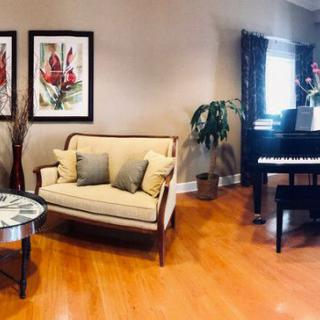
Tides At Crimson Village in Tuscaloosa, AL is an assisted living community that focuses on providing memory care for seniors. Our community offers a range of amenities to ensure our residents' comfort and convenience. Each apartment is fully furnished and equipped with cable or satellite TV, a small kitchenette, and Wi-Fi/high-speed internet access.

Our residents can enjoy delicious meals served in our elegant dining room, with special dietary restrictions accommodated. Housekeeping services are provided to maintain a clean and tidy living environment. Outdoor spaces and gardens provide opportunities for relaxation and enjoying the fresh air.

At Tides At Crimson Village, our dedicated staff provides 24-hour supervision and assistance with activities of daily living such as bathing, dressing, and transfers. Medication management is also available to ensure the well-being of our residents. We have specialized programming for those experiencing mild cognitive impairment or memory-related issues.

We understand the importance of mental wellness, which is why we offer a mental wellness program designed to engage and stimulate our residents' minds. In addition, resident-run activities and scheduled daily activities provide opportunities for socialization and participation.

Our community is conveniently located near various amenities including cafes, parks, pharmacies, physicians' offices, restaurants, places of worship, hospitals, and transportation options. This allows easy access to essential services and recreational opportunities for our residents.

At Tides At Crimson Village in Tuscaloosa, AL, we strive to create a warm and welcoming environment where seniors with memory care needs can thrive.

Nearby Places of Interest

Physicians

  • Tuscaloosa Weight Loss (0.1 miles)
  • Janaki Ram Earla MD (0.1 miles)
  • Alabama Family Medical Center (0.1 miles)
  • The Family Eye Group (0.6 miles)
  • Oncology Associates of West Alabama PC (0.8 miles)
  • Partlow Harbin & Poist Ob Gyn (0.8 miles)
  • DCH Imaging Services (0.9 miles)

Cafes

  • Starbucks (0.6 miles)
  • Starbucks (2 miles)

Restaurants

  • Whataburger (0.6 miles)
  • Church's Chicken (0.7 miles)
  • Chipotle Mexican Grill (0.7 miles)
  • Panda Express (0.8 miles)
  • Hokkaido Steak & Sushi Bar (0.8 miles)
  • Taco Casa (0.8 miles)
  • Chicken Salad Chick (0.9 miles)

Pharmacies

  • CVS Pharmacy (0.6 miles)
  • Jim Myers Towers Pharmacy (0.9 miles)
  • Walgreens (1 miles)
  • Emergi-Care Pharmacy (1.3 miles)
  • Walgreens (2.2 miles)
  • Tuscaloosa Drug Capstone (2.4 miles)
  • Walmart Pharmacy (2.7 miles)

Hospitals

  • Manderson Cancer Center at DCH Regional Medical Center (0.8 miles)
  • Phelps Outpatient Center (0.8 miles)
  • Druid City Regional Medical Center (0.8 miles)
  • Helping Hands Therapy (0.8 miles)
  • DCH Regional Medical Center (0.8 miles)
  • DCH Regional (0.8 miles)
  • DCH Emergency Department (0.8 miles)

Parks

  • Snow Hinton Park (0.9 miles)
  • Mc Abee Activity Center (1.7 miles)
  • Tuscaloosa Riverwalk (2.8 miles)

Places of Worship

  • University Church of Christ (1.1 miles)
  • Church of the Highlands - Tuscaloosa Campus (1.5 miles)
  • Forest Lake United Methodist Church (1.5 miles)
  • St Francis Of Assisi Catholic Church (1.7 miles)
  • WW Studio (2.3 miles)
  • First Assembly of God (2.6 miles)
  • First Wesleyan Church (2.6 miles)

Transportation

  • Amtrak (2.7 miles)

Frequently Asked Questions

How much does it cost to live at Tides At Crimson Village in Tuscaloosa, AL?
Where is Tides At Crimson Village?
Does Tides At Crimson Village provide care for residents with dementia or Alzheimer's disease?

Nearby Communities

Related Resources

  • does medicaid pay for assisted livingUnderstanding Medicaid Coverage for Assisted Living: A Comprehensive Guide

    The guide outlines the complexities of Medicaid coverage for assisted living, highlighting significant state-to-state variations, limited coverage often restricted to personal care services, and the existence of specialized waivers for certain needs like memory care. It advises families to consult local Medicaid offices for options while emphasizing the importance of understanding state-specific regulations and facility policies.

  • does medicaid pay for assisted livingHow and When Medicaid May Cover Assisted Living Costs

    Medicaid coverage for assisted living varies by state and is primarily available to low-income individuals, with eligibility dependent on strict income and asset limits. Some states offer HCBS waivers for specific services in assisted living, but families must generally cover room and board costs, and should verify facility acceptance of Medicaid while considering potential waiting lists.

  • assisted living waiver programA Detailed Exploration of Assisted Living Medicaid Waivers Across the United States

    Medicaid waivers for assisted living services provide vital support for seniors and individuals with disabilities in need of long-term care, with varying state-specific eligibility criteria and benefits. These waivers cover personal care and case management but often do not fully cover room and board, leading to waiting lists for many applicants.