Morning Pointe of Tuscaloosa

Save

  • Interior

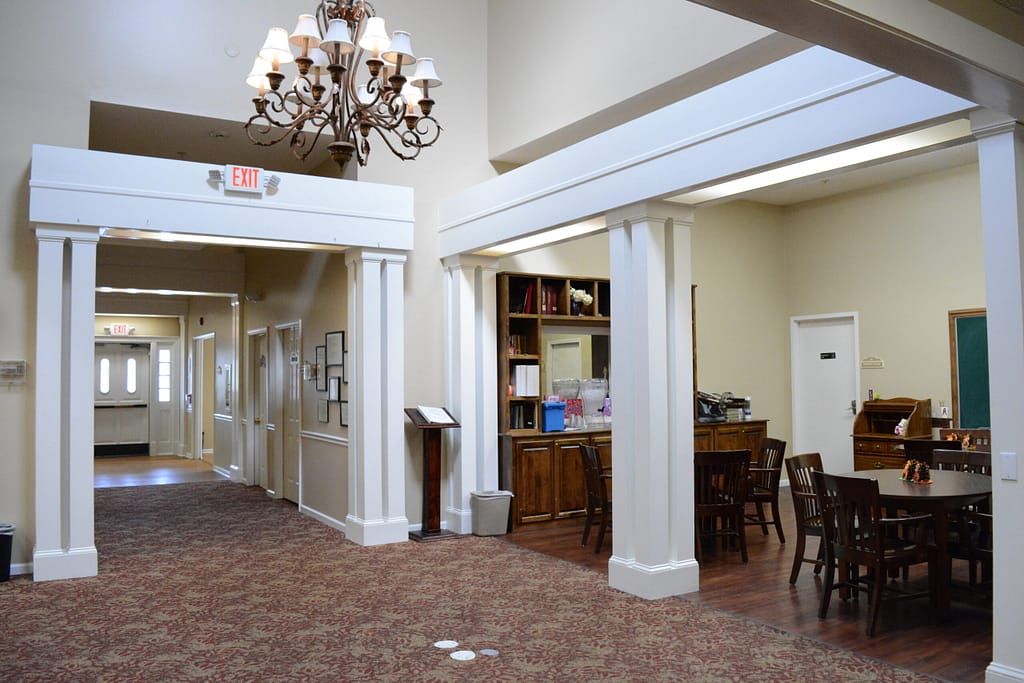
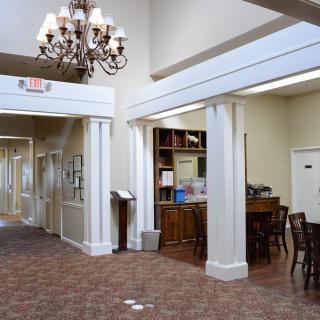
    A cozy lobby area featuring a chandelier and wooden furniture, with hallways leading to other rooms.
  • Decor

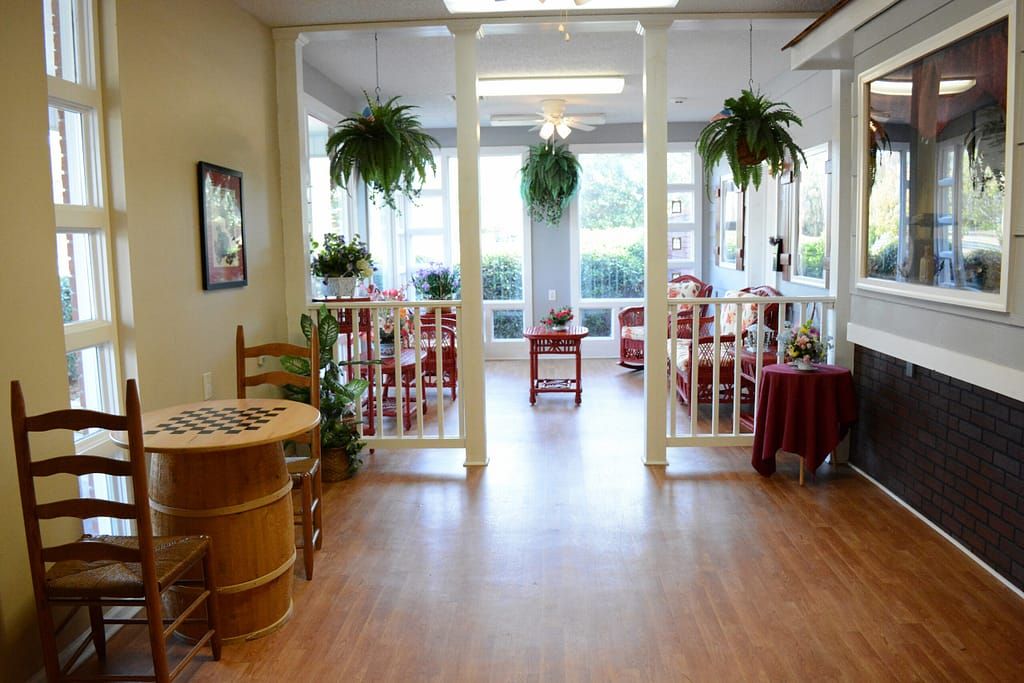
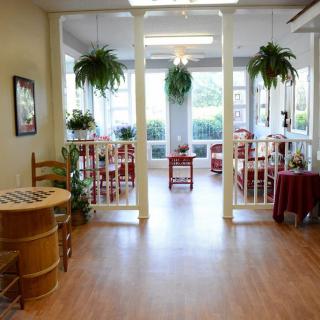
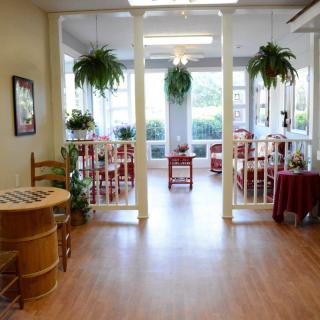
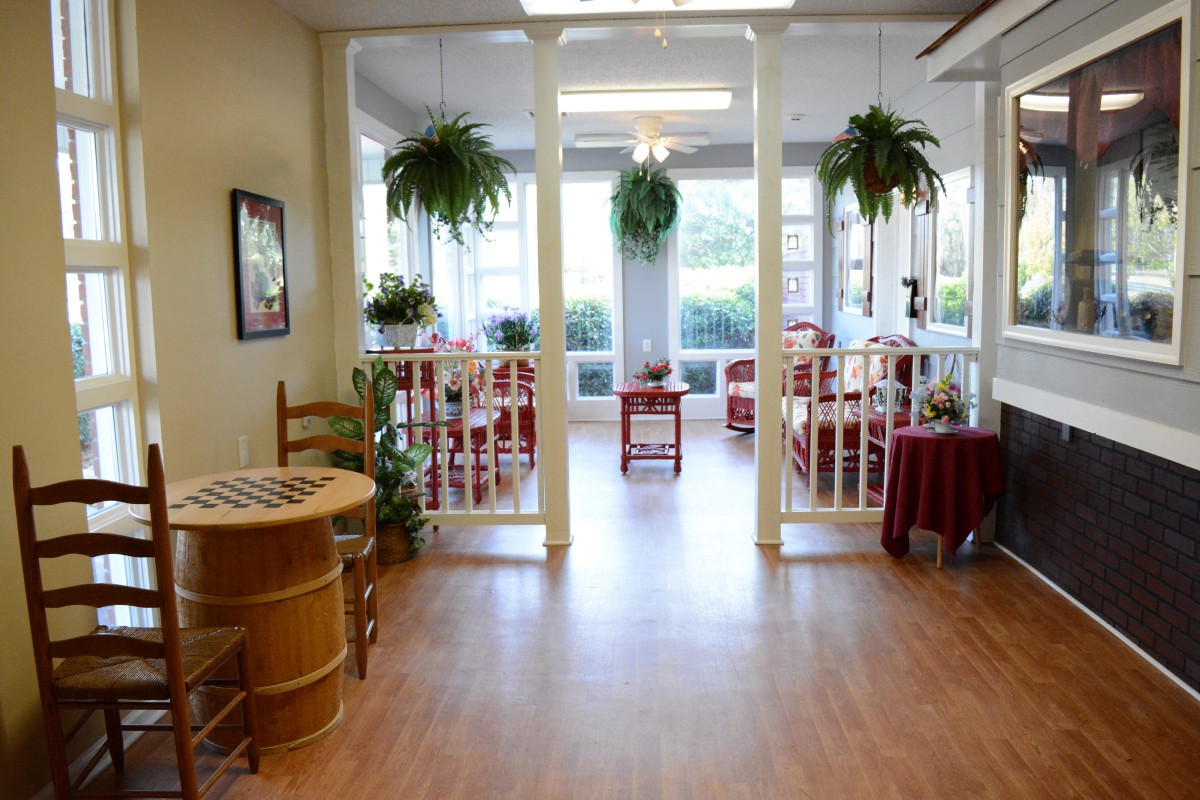
    A cozy indoor space with wooden flooring, decorated with hanging plants and furnished with tables and chairs.
  • Living Room

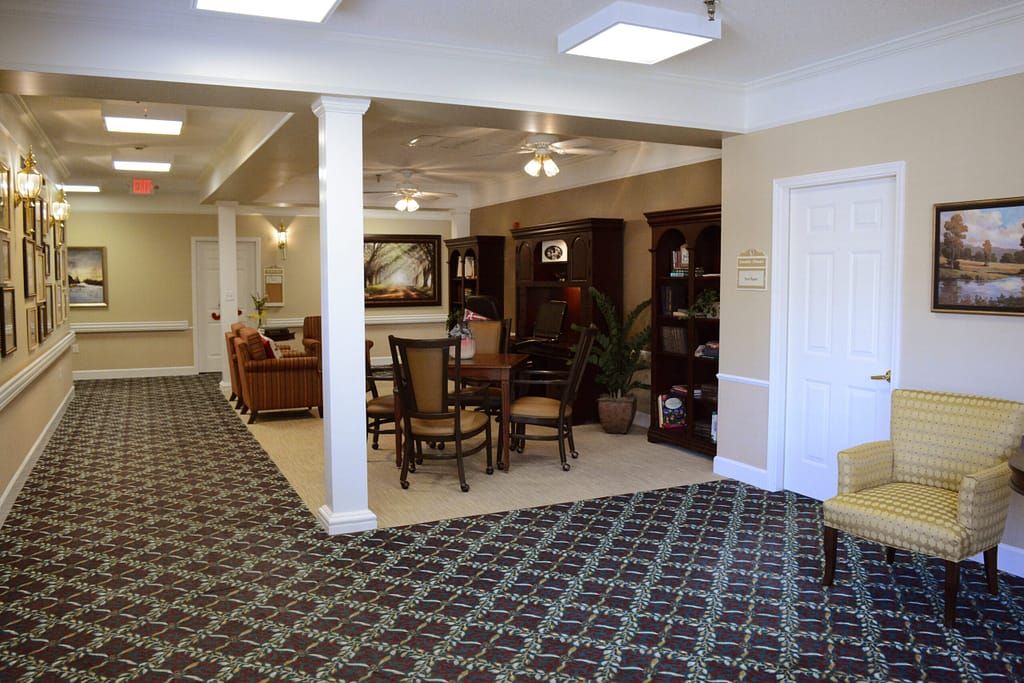
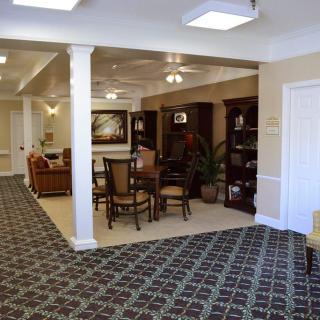
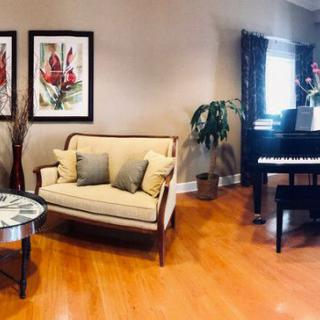
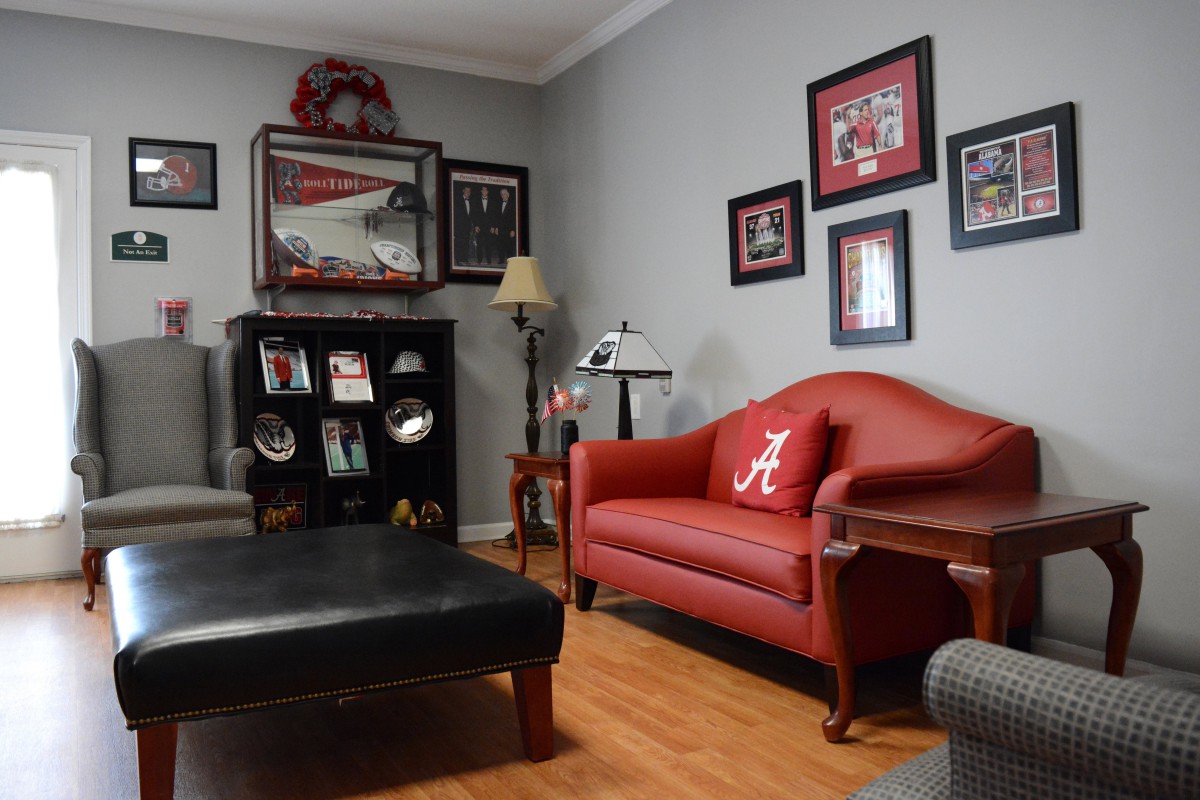
    A cozy living room with carpet flooring and comfortable seating areas.
  • Bedroom

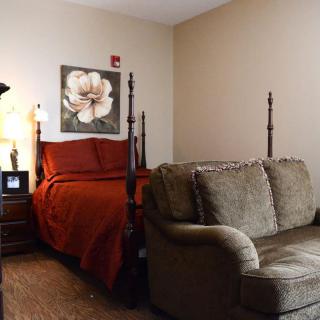
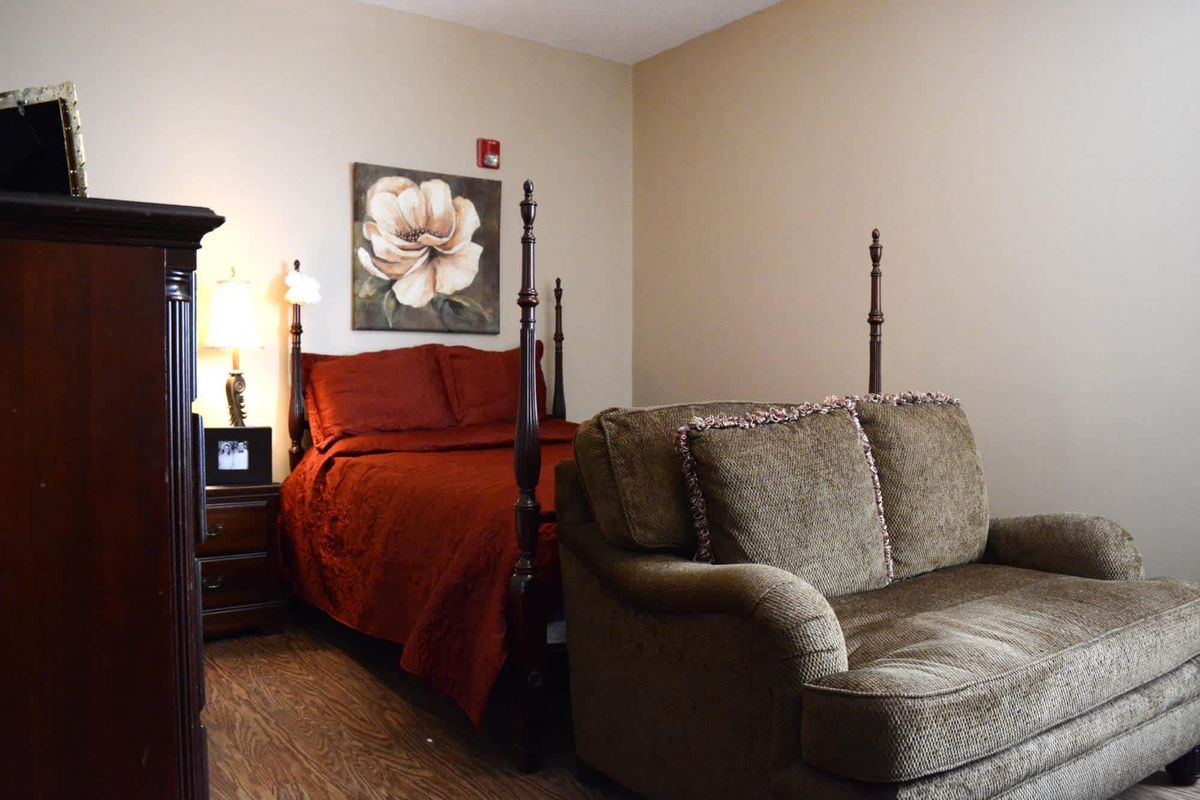
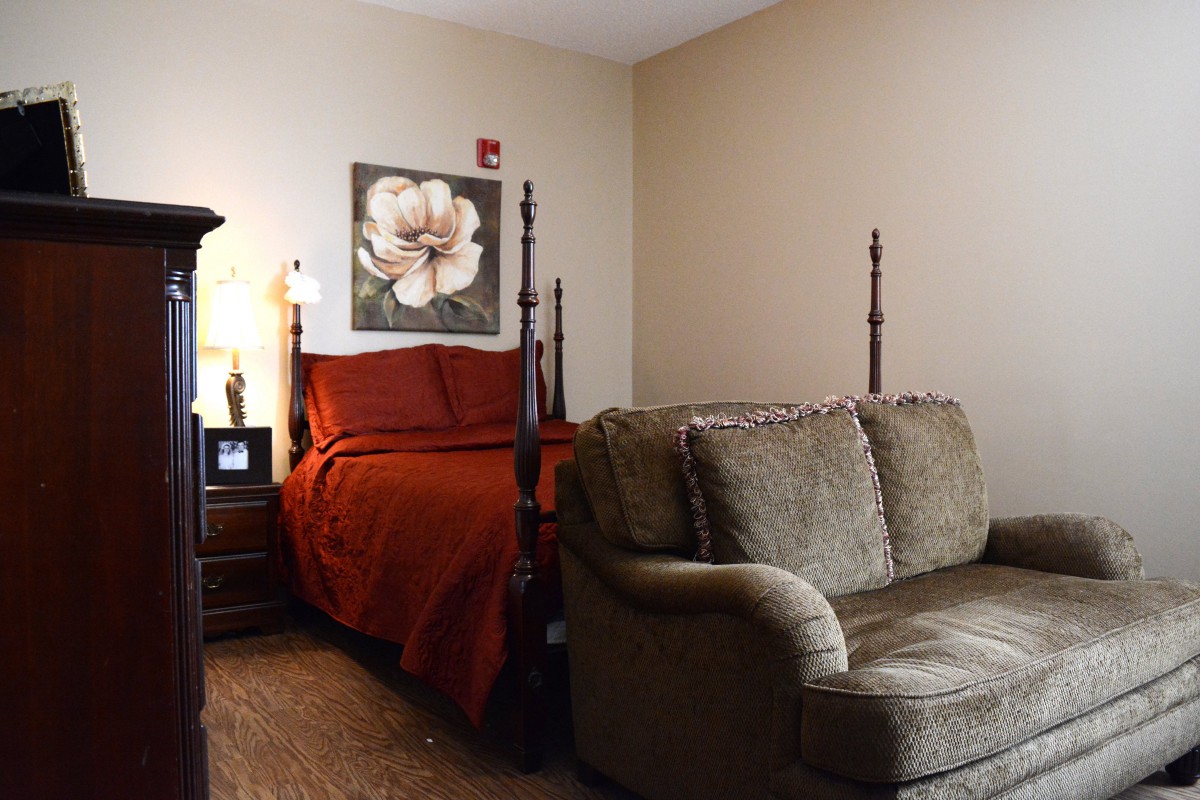
    A cozy bedroom with a four-poster bed, sofa, and soft lighting.
  • Trees

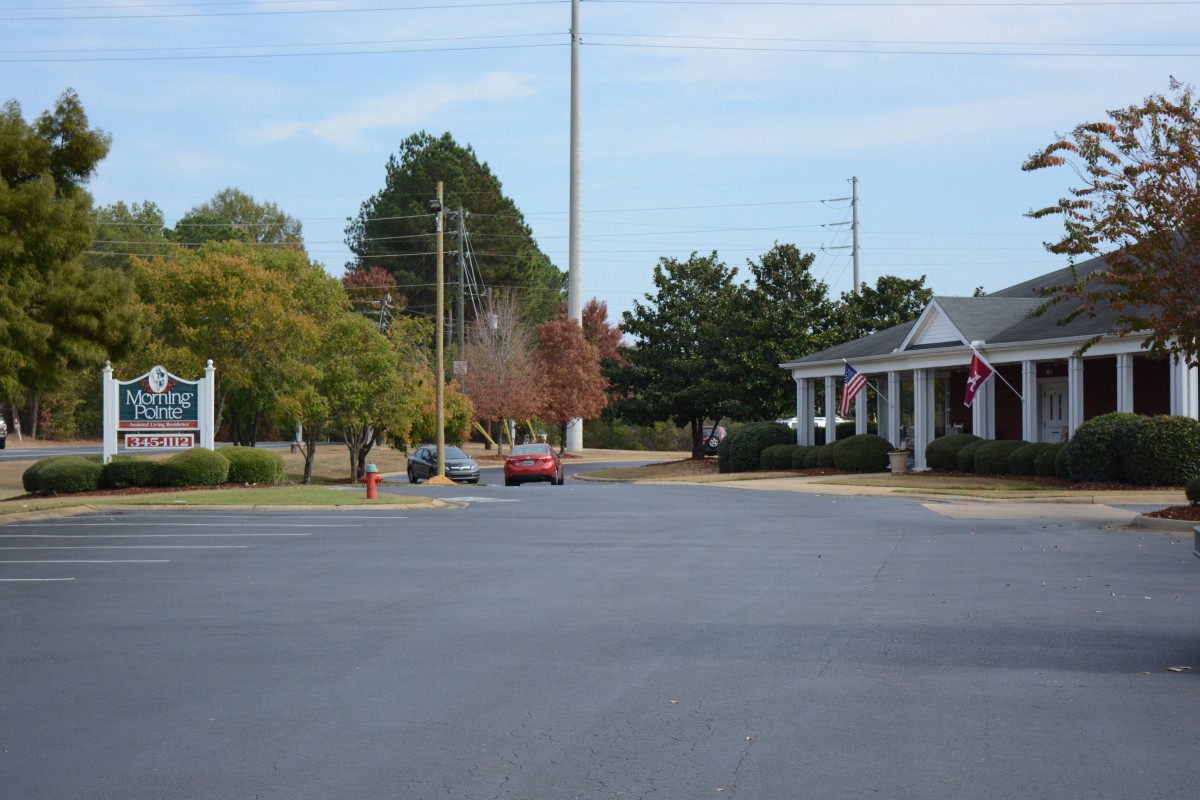
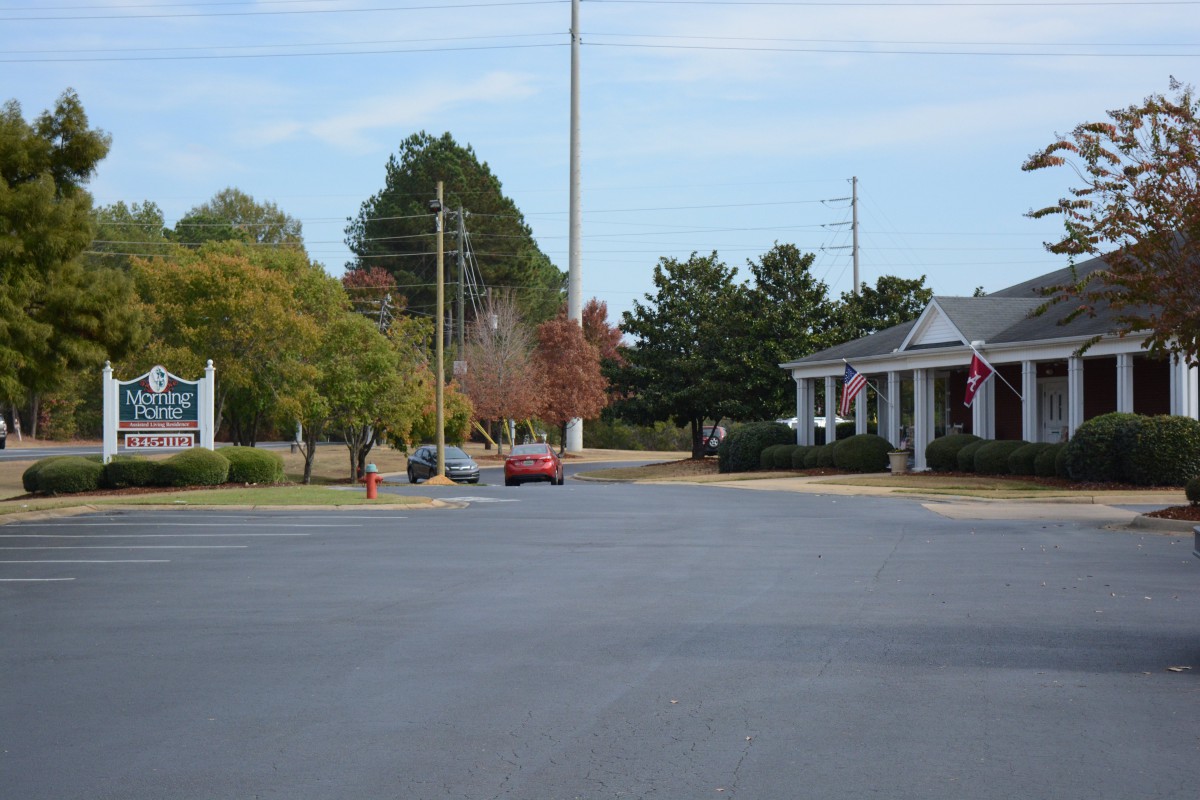
    A suburban street with cars parked on the side, framed by residential buildings and trees.
  • Dining

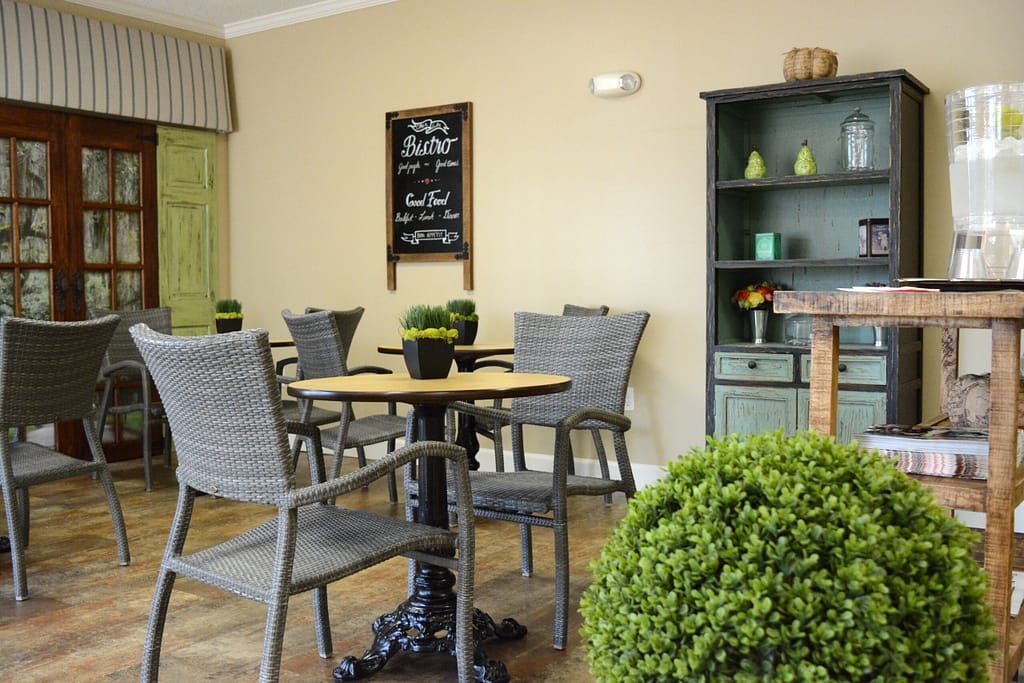
    Cozy cafe interior with stylish furniture and decorative plants.
  • Landscaping

    A charming garden scene featuring a gazebo adorned with climbing plants, a neatly landscaped pathway, and a young tree beside it.
  • Chandelier

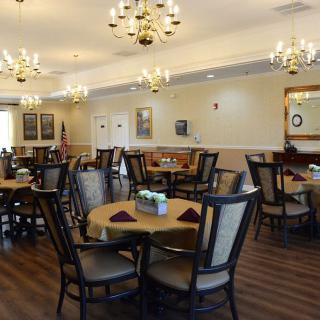
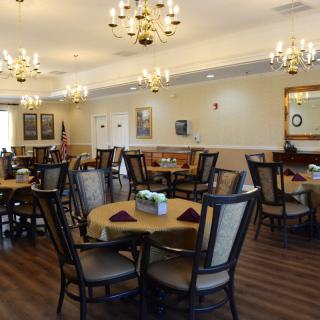
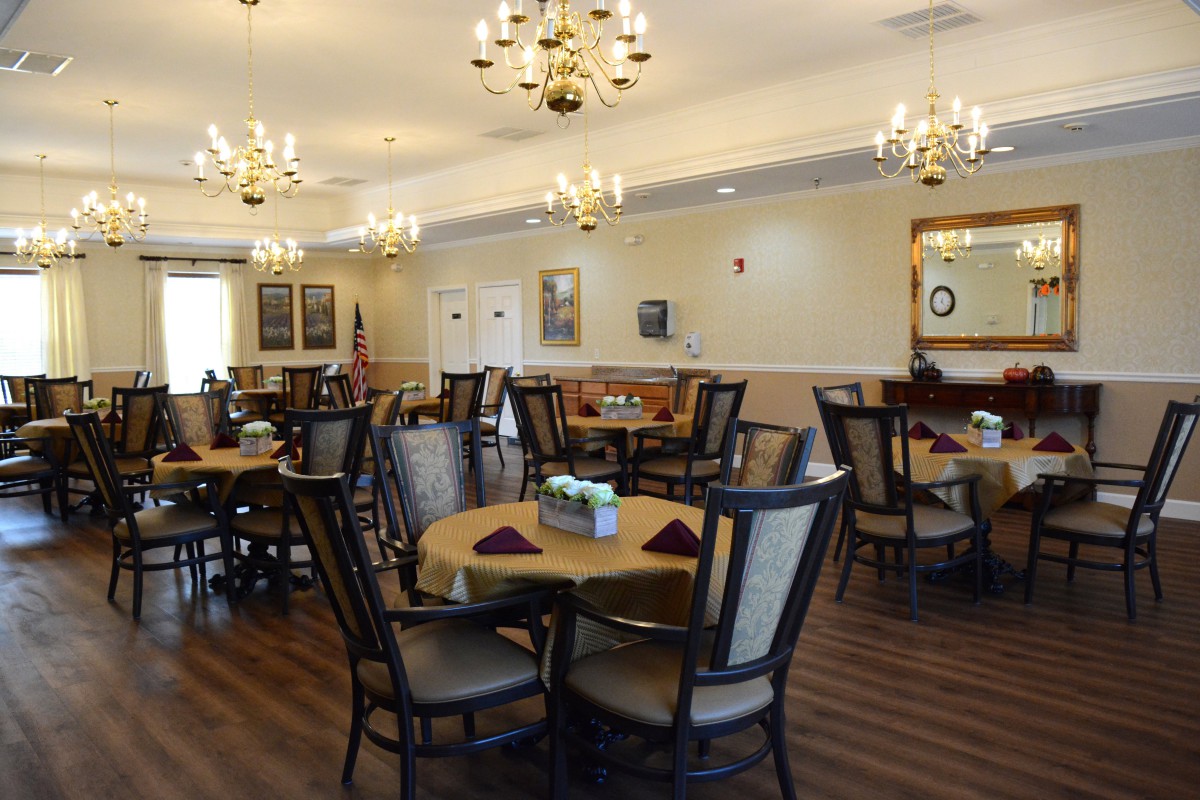
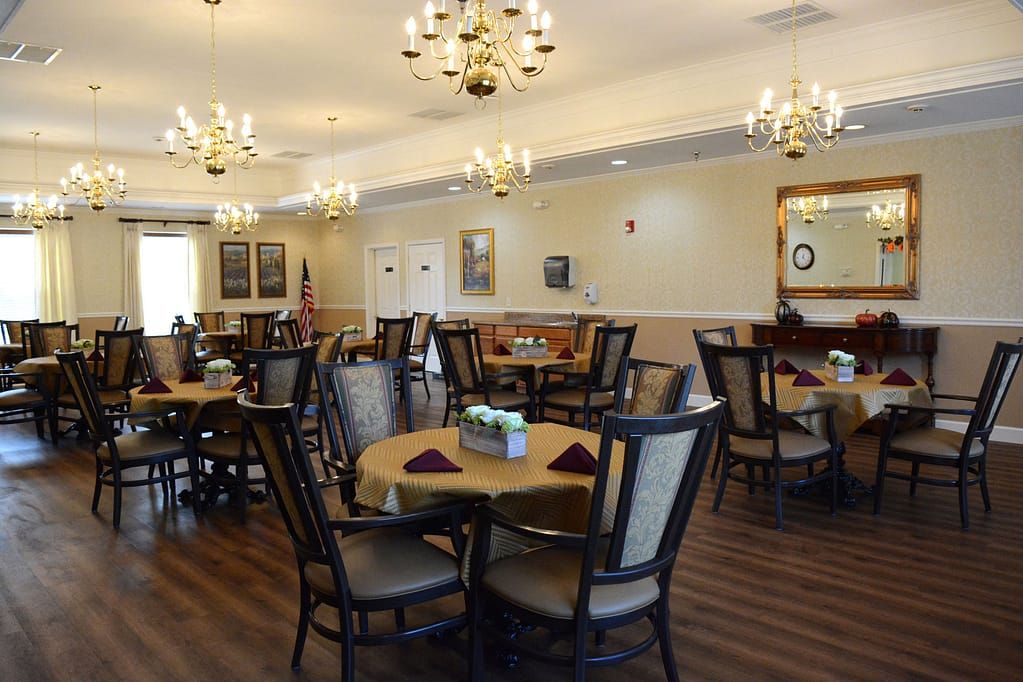
    A spacious and elegantly decorated dining room with several tables and chairs, illuminated by chandeliers.
  • Natural Light

    A bright and inviting dining area with wooden floors, featuring tables, chairs, and hanging plants.

Morning Pointe of Tuscaloosa

Information last verified:

1801 Rice Mine Road North, Tuscaloosa, AL 35406

For more information about senior living options: (844) 490-3973

4.5 from 76 reviews
5 stars
54
4 stars
15
3 stars
1
2 stars
0
1 stars
6

Seniors.FYI Elite Community Awards

Top 5% Senior Living Community in 2018

Add this award to your website

Morning Pointe of Tuscaloosa Costs & Pricing

Morning Pointe of Tuscaloosa offers competitive pricing on its accommodations, providing a range of options that are both affordable and comparable to the local market. For instance, a studio apartment at Morning Pointe is priced at $2,365 per month, which is slightly lower than the average cost of $2,497 in Tuscaloosa County and significantly more economical than Alabama's statewide average of $3,279. Similarly, the 1-bedroom unit at Morning Pointe is available for $2,695, again placing it below the county's average of $2,741 and well under the state average of $3,417. This positioning not only highlights Morning Pointe's commitment to offering value but also ensures residents enjoy quality living arrangements without straining their finances.

Floor plansMorning Pointe of TuscaloosaTuscaloosa CountyAlabama
Studio$2,365$2,497$3,279
1 Bedroom$2,695$2,741$3,417

Overall Review of Morning Pointe of Tuscaloosa

Pros

  • pro The staff at Morning Pointe are knowledgeable, caring, and treat residents like family.
  • pro Morning Pointe delivers exceptional, individualized care where each resident feels the only resident.
  • pro The activities director keeps a wide range of engaging activities that residents enjoy.
  • pro The food is delicious and prepared to meet each resident's dietary needs.
  • pro The facility feels warm, home-like, and welcoming to both residents and their families.
  • pro The environment is clean, well maintained, and safe for all residents.
  • pro Morning Pointe's leadership is responsive and proactive in addressing concerns.
  • pro The staff consistently show kindness, patience, and compassion toward residents.

Cons

  • pro One reviewer warns not to put a family member there, alleging abuse and neglect and even accuses the staff of firing workers and falsifying paperwork.
  • pro Another reviewer calls the place horrible, noting multiple falls, unclean rooms, poor hygiene, and staff lacking proper dementia training and meaningful daily activities.
  • pro A reviewer criticizes management as horrible, saying the nursing director talks to families harshly and ignores complaints, with residents smelling bad and clothes getting lost.
  • pro A reviewer mentions significant staff turnover and suggests the facility would improve with new leadership and better staff.
  • pro A reviewer reports the front desk staff sometimes smell of alcohol.
  • pro A reviewer recounts a respite incident where a resident sat for two days with no water or food, indicating inadequate care.
  • pro A reviewer complains that the base price isn’t all-inclusive and there are extra charges for cable and phone.
  • pro A reviewer notes that admitting a resident with high care needs led to plans to move them out, souring the experience.

Review

Morning Pointe of Tuscaloosa is best suited for families seeking a small, home‑like memory‑care–forward assisted living where every resident feels known and truly cared for. The community stands out for families who want a deeply personal, hands‑on approach to dementia care, with staff who routinely treat residents as family and tailor daily life to individual likes and needs. The setting favors residents who flourish with routine, meaningful activity, and consistent human connection; the dining experience is flexible and attentive to dietary preferences, and the program weekly invites family members to dine together, reinforcing that sense of belonging. This is the place where the atmosphere, quietly dignified, clean, and personable, aligns with a caregiving model that prioritizes preservation of identity and dignity. For families prioritizing engagement, continuity in staff, and a residence that feels less like a clinical facility and more like a community, Morning Pointe often delivers.

Those weighing alternatives should note who may want to look elsewhere. For seniors whose needs trend toward stricter security, higher medical oversight, or a more predictable, all‑inclusive price structure, Morning Pointe may feel less comprehensive than rivals that emphasize nurse staffing ratios or clearer income transparency. A handful of reviews flag concerns about management and staff consistency, and a few families report dissatisfaction with administrative responsiveness or with portions of the memory‑care environment. For residents with complex or rapidly changing medical needs who require a level of nursing support beyond what a memory‑care–focused unit typically provides, it pays to compare other facilities that position skilled nursing as a core component. Families on a tight budget or seeking a fully all‑inclusive contract will also want to run the numbers carefully.

On balance, the core strengths of Morning Pointe offset most cons through a combination of extraordinary staff dedication and a richly engaged community life. The staff commonly earns high praise for empathy, patience, and proactive problem‑solving, with multiple reviewers highlighting that care feels individualized rather than generic. The activity program is praised for variety and energy, often supported by student volunteers and a recreation director who keeps residents socially engaged and mentally stimulated. The memory‑care emphasis is especially pronounced: residents with dementia are met where they are, with routines that respect routines and preferences, and with meals and activities framed around personal history. Maintenance responsiveness also stands out, repairs and room improvements are noted as quick, which reinforces trust during daily life.

Nevertheless, some reviewers raise legitimate cautions that deserve attention before committing. Management and governance appear as a recurring theme in a minority of negative experiences, with reports of tense interactions or slow resolution of concerns. A few families express concern about safety and security around dementia‑care operations, including discussions about how open certain areas are to residents with wandering tendencies. Price transparency matters as well; several comments point to base rates not including add‑ons such as utilities or services, making the overall cost less predictable than expected. While the majority of guests are pleased with the overall value, the risk of inconsistent administrative experience means it is prudent to seek a thorough tour, ask pointed questions about wing configuration, and request the most current resident/staff ratios in both assisted living and memory care.

From a decision‑making perspective, a practical tour strategy is essential. Prospective families should meet the Executive Director, the memory‑care lead, and the community relations director to gauge how well leadership aligns with resident needs and family expectations. Ask for a floor plan that clarifies whether the dementia unit is a clearly separated wing or a semi‑open arrangement, and request specific, recent data on staff turnover and the nurse staffing model across shifts. Sample the menu and discuss how dietary restrictions are accommodated, then observe a meal or activity to assess resident engagement and staff interactions. Verify the move‑in process, the clarity of monthly invoices, and what is truly included in base pricing versus add‑ons. In addition, probe the level of family involvement that can realistically be maintained over time, and whether the facility can sustain the same quality of care if needs evolve.

In the end, Morning Pointe of Tuscaloosa earns its strongest endorsement for families needing a memory‑care environment that feels intimate, attentive, and oriented toward daily happiness and personal connection. The Ritz‑Carlton‑level responsiveness described by some families, prompt repairs, thoughtful room adaptations, and a willingness to accommodate individual requests, creates a powerful sense of reliability. The combination of a warm staff, engaging activities, and strong family engagement makes it a compelling choice for residents whose care plans center on meaningful activity, social interaction, and preservation of identity. Those who fit this profile will likely find the day‑to‑day life here remarkably comforting and stabilizing.

For families whose priorities include ironclad security, fully transparent all‑inclusive pricing, or a broader spectrum of medical services on site, it would be prudent to compare alternatives with clearer governance, different staffing models, and more defined security measures. Morning Pointe is not a one‑size‑fits‑all solution; it is, instead, a strong, highly caring option for those who value a tight‑knit community where staff know residents well, care for them with compassion, and foster a family atmosphere. If these attributes match the needs and expectations for a loved one, morning‑time discussions, a face‑to‑face tour, and a candid talk about fees and floor plans should quickly reveal whether this is the right next home. The clarity gained will empower a confident, well‑informed transition that aligns with the resident’s best interests and the family’s peace of mind.

Features

Housing

  • 36 resident community capacity 36 resident community capacity
  • 1-bedroom apartments 1-bedroom apartments1-bedroom apartments are important for seniors because they provide a sense of independence, privacy, and autonomy while still offering the necessary space for comfortable living. These apartments allow seniors to maintain their own personal space and lifestyle preferences in a supportive community setting.
  • Studio apartments Studio apartmentsStudio apartments are important for seniors because they offer a smaller, more manageable living space that is easier to navigate and maintain as physical abilities decline. Additionally, studio apartments provide seniors with independence and privacy while still being part of a community that offers support and social opportunities.

Types of Care

  • Assisted Living Assisted LivingAssisted living facilities provide crucial support and care for seniors who may need help with daily tasks such as medication management, bathing, and meal preparation. These communities offer a safe and comfortable environment where seniors can maintain their independence while receiving the assistance they need to thrive in their golden years.
  • Memory Care Memory CareMemory care is crucial for seniors as it provides specialized support and services for individuals with dementia or Alzheimer's disease. These programs offer a safe and secure environment where residents receive personalized care, cognitive stimulation, and help with daily activities. Memory care helps seniors maintain their independence, quality of life, and dignity while also providing peace of mind for their families.
  • Skilled Nursing Facility Skilled Nursing FacilitySkilled Nursing Facilities are crucial for seniors as they provide round-the-clock medical care, rehabilitation services, and assistance with daily activities. These facilities ensure that seniors receive the specialized care they need to maintain their health and well-being as they age.

Pets

  • Cats allowed Cats allowed"Pet friendly" senior living communities are important for seniors because pets provide companionship, reduce feelings of loneliness and depression, promote physical activity and mental stimulation, and offer a sense of purpose and responsibility. Pets can improve overall well-being and quality of life for seniors in many ways.
  • Dogs allowed Dogs allowed"Pet friendly" senior living communities are important for seniors because pets provide companionship, reduce feelings of loneliness and depression, promote physical activity and mental stimulation, and offer a sense of purpose and responsibility. Pets can improve overall well-being and quality of life for seniors in many ways.

Amenities

  • Activities off-site Activities off-siteEngaging in off-site activities is crucial for seniors to maintain social connections, stay active, and stimulate their minds. It promotes overall well-being and helps combat feelings of isolation and loneliness.
  • Activities on-site Activities on-siteActivities on-site are important for seniors because they provide opportunities for socialization, mental stimulation, physical activity, and overall well-being. Engaging in activities can help seniors stay active, maintain their independence, and improve their quality of life.
  • Air-conditioning Air-conditioningAir conditioning is important for seniors as they are more vulnerable to heat-related illnesses and may have underlying health conditions that make it difficult for them to regulate their body temperature. It helps to keep them comfortable, safe, and healthy in hot weather.
  • Beautician on-site Beautician on-siteHaving a beautician on-site at a senior living community is important for seniors as it allows them to easily access grooming and personal care services, boosting their self-esteem and overall well-being. It also provides convenience and helps seniors maintain their sense of independence and personal style.
  • Beauty salon Beauty salonBeauty salons are important for seniors because they provide a space for them to feel pampered, socialize, and maintain their personal grooming and hygiene. Regular visits to a beauty salon can help boost seniors' self-esteem and overall well-being.
  • Cable or satellite TV Cable or satellite TVCable or satellite TV is important for seniors because it provides entertainment, news, and companionship, helping to combat loneliness and boredom. It also offers a wide range of programming options tailored to different interests and preferences.
  • Devotional services off-site Devotional services off-siteDevotional services off-site are important for seniors as they provide spiritual nourishment, social engagement, and a sense of community outside of the senior living facility. This can enhance overall well-being and help combat feelings of isolation and loneliness often experienced by older adults.
  • Devotional services on-site Devotional services on-siteDevotional services on-site provide seniors with spiritual support and a sense of community, as well as an opportunity for reflection and guidance during their senior living experience. This can promote emotional well-being and connection to others, leading to a more fulfilling and enriching lifestyle in their later years.
  • Dining room Dining roomDining rooms are important for seniors as they provide a space for socialization, connection, and nutritious meals. They offer opportunities for residents to bond over shared meals, foster a sense of community, and promote healthy eating habits. Dining rooms also ensure that seniors have access to well-balanced meals tailored to their dietary needs and preferences.
  • Fully furnished Fully furnishedFully furnished senior living communities are important for seniors because they provide convenience, comfort, and a hassle-free moving experience. Seniors can easily settle into their new living space without the stress of having to buy and move furniture. This allows them to focus on enjoying their new home and community.
  • Garden GardenGardens are important for seniors as they provide a peaceful and therapeutic environment for relaxation, physical activity, and socialization. Being in nature has been shown to reduce stress, improve mood, and promote overall well-being. Gardens also offer opportunities for seniors to engage in gardening activities, which can improve mobility, flexibility, and cognitive function. Additionally, gardens create a sense of community and connection with others who share a passion for plants and outdoor spaces.
  • Ground floor units Ground floor unitsGround floor units are important for seniors because they provide easy accessibility, reduced risk of falls and injuries, and convenience for those with mobility issues. Seniors can avoid climbing stairs or using elevators, making daily tasks and activities more manageable and enjoyable.
  • Housekeeping services Housekeeping servicesHousekeeping services are important for seniors because they help maintain a clean and safe living environment, promote independence, and reduce the risk of accidents or illnesses. Additionally, having assistance with household chores can alleviate physical strain and allow seniors to focus on other aspects of their well-being.
  • Indoor common areas Indoor common areasIndoor common areas are crucial for seniors as they provide a space for socialization, recreation, and community engagement, promoting overall well-being and reducing feelings of isolation and loneliness.
  • Kitchenette KitchenetteKitchenettes are important for seniors living in senior living communities because they provide the convenience and independence of being able to prepare simple meals and snacks in the comfort of their own living space. This can help promote a sense of autonomy and well-being for seniors, allowing them to maintain some level of control over their dietary choices and daily routines.
  • Laundry LaundryLaundry services are important for seniors as they may have difficulty with physical tasks such as bending, lifting, or carrying heavy loads. Having access to laundry services can help seniors maintain personal hygiene, cleanliness, and independence in their daily lives.
  • Move-in coordination Move-in coordinationMove-in coordination is important for seniors because it helps ease the transition into their new living environment. It ensures that all logistics, such as packing, organizing movers, and setting up utilities are taken care of, allowing seniors to focus on settling in and adjusting to their new home. Having a smooth move-in process can alleviate stress and anxiety, making the transition smoother and more enjoyable for seniors.
  • Outdoor common areas Outdoor common areasOutdoor common areas are important for seniors as they provide a space for socialization, physical activity, and relaxation. Being outside in nature can improve mood and overall well-being, while also encouraging movement and engagement with others. These spaces can help combat feelings of isolation and promote a sense of community among residents.
  • Outdoor space Outdoor spaceOutdoor spaces are important for seniors as they provide opportunities for physical activity, social interaction, exposure to natural light and fresh air, and a sense of connection to nature. Having access to outdoor spaces can improve overall well-being and quality of life for older adults living in senior communities.
  • Respite or short term stays offered Respite or short term stays offeredRespite or short term stays provide seniors with a temporary solution when their regular caregiver is unavailable, offering them the opportunity to receive additional care and support during times of need, while also giving caregivers a chance to rest and recharge.
  • Telephone TelephoneTelephones are important for seniors as they provide a lifeline for communication with loved ones, emergency services, and healthcare providers. They offer a sense of security and independence, enabling seniors to stay connected and access assistance when needed.
  • Wheelchair accessible showers Wheelchair accessible showersWheelchair accessible showers are crucial for seniors as they provide a safe and independent bathing option for those with mobility challenges. These showers help prevent falls and allow seniors to maintain their dignity and autonomy while ensuring they can bathe comfortably.
  • Wi-Fi/high-speed internet available Wi-Fi/high-speed internet availableWi-Fi/high-speed internet is important for seniors to stay connected with loved ones, access online resources, and participate in virtual activities to combat feelings of loneliness and isolation. It also allows them to easily manage healthcare needs, access entertainment, and engage in lifelong learning opportunities.

Transportation

  • Transportation & parking Transportation & parkingTransportation and parking are vital for seniors as they offer access to essential services, activities, and social interactions. Reliable transportation options can help seniors maintain independence, stay connected within their community, and enjoy a higher quality of life. Additionally, convenient parking facilities ensure that seniors can easily access necessary resources and amenities without added stress or difficulty.

Care Services

  • 24-hour call system 24-hour call system24-hour call systems are important for seniors because they provide peace of mind and immediate assistance in case of emergencies. This technology ensures that help is always available, promoting safety and security for elderly individuals living alone or in assisted living facilities.
  • 24-hour supervision 24-hour supervision24-hour supervision is important for seniors to ensure their safety, well-being, and access to immediate assistance in case of emergencies or health issues. This constant support provides peace of mind for both seniors and their loved ones, allowing them to age in place with dignity and security.
  • Activities of daily living assistance Activities of daily living assistanceActivities of daily living assistance are important for seniors because they provide essential support with tasks such as eating, bathing, dressing, and mobility. This assistance helps seniors maintain their independence, dignity, and overall quality of life as they age.
  • Ambulatory care Ambulatory care"Ambulatory care services provide essential medical support and treatment to seniors without requiring hospitalization, allowing them to maintain their independence and quality of life while managing chronic conditions or receiving routine medical care."
  • Assistance with bathing Assistance with bathingAssistance with bathing is crucial for seniors as it helps maintain personal hygiene, prevents infections, and ensures their overall well-being and comfort. It also provides a sense of dignity and independence for seniors who may struggle with this task on their own.
  • Assistance with dressing Assistance with dressingAssistance with dressing is important for seniors because it helps maintain their independence, promotes personal hygiene, prevents accidents and injuries, and improves overall quality of life. This service ensures that seniors can continue to dress comfortably and confidently, despite any physical limitations they may have.
  • Assistance with transfers Assistance with transfersAssistance with transfers is crucial for seniors as it helps prevent falls and injuries, maintains their independence, and ensures they can safely navigate their living environment. It also provides peace of mind for both seniors and their loved ones.
  • Coordination with health care providers Coordination with health care providersCoordination with health care providers is crucial for seniors to ensure proper medical care, medication management, and overall well-being. This collaboration helps prevent overlapping treatments, track progress more effectively, and provide comprehensive support tailored to individual needs.
  • Diabetes diet Diabetes dietA diabetes diet is crucial for seniors as it helps manage blood sugar levels, reduce risks of complications, and improve overall health and well-being. By following a balanced and nutritious diet tailored to their specific needs, seniors can better control their diabetes and enhance their quality of life.
  • Diabetic care Diabetic careDiabetic care is crucial for seniors as they are more susceptible to developing diabetes due to aging and other health conditions. Proper management of diabetes can help prevent complications such as heart disease, vision loss, and nerve damage, improving the overall quality of life for seniors in senior living communities.
  • Incontinence care Incontinence careIncontinence care is essential for seniors to maintain their dignity, hygiene, and overall quality of life. By addressing incontinence issues promptly and effectively, seniors can enjoy a sense of independence and comfort in their daily activities.
  • Meal preparation and service Meal preparation and serviceMeal preparation and service are crucial for seniors as they may have limited mobility or energy to cook nutritious meals. Having access to healthy and convenient food options can ensure they are getting the proper nutrition needed to maintain their overall health and well-being.
  • Medication management Medication managementMedication management is crucial for seniors to ensure they are taking the right medications at the correct dosages and times. This helps prevent adverse drug interactions, reduces the risk of medication errors, and promotes overall health and well-being. Proactive management also allows for adjustments as needed based on changing health conditions or new prescriptions.
  • Mental wellness program Mental wellness programMental wellness programs are essential for seniors as they promote cognitive stimulation, emotional support, and social engagement. These programs help prevent isolation, depression, and cognitive decline, ultimately enhancing the overall quality of life for older adults.
  • Mild cognitive impairment Mild cognitive impairment"Mild cognitive impairment" is important for seniors because it is an early stage of cognitive decline that can potentially progress to more severe conditions such as dementia. Recognizing and addressing mild cognitive impairment can help seniors receive appropriate care and support to maintain their quality of life and independence for as long as possible.
  • Physical therapy Physical therapyPhysical therapy is essential for seniors to maintain and improve their mobility, strength, and overall quality of life. It helps reduce pain, prevent falls, and enhance independence in daily activities. By promoting movement and function, physical therapy can help seniors stay active, healthy, and engaged in their communities.
  • Special dietary restrictions Special dietary restrictionsSpecial dietary restrictions are important for seniors because age-related changes in metabolism and health conditions can make it difficult for their bodies to process certain foods. By following a diet tailored to their specific needs, seniors can maintain their overall health and well-being, manage chronic conditions, and reduce the risk of complications such as malnutrition or food interactions with medications.
  • Specialized memory care programming Specialized memory care programmingSpecialized memory care programming is crucial for seniors with cognitive impairments such as dementia or Alzheimer's disease. These programs provide a safe and supportive environment tailored to the unique needs of individuals with memory loss, helping them maintain their independence, dignity, and quality of life.
  • Transportation arrangement (medical) Transportation arrangement (medical)Transportation arrangements for medical purposes are essential for seniors as they may have difficulty driving themselves to appointments or accessing public transportation. Having reliable and safe transportation options ensures that seniors can receive timely medical care and maintain their health and well-being.
  • Transportation to doctors appointments Transportation to doctors appointmentsTransportation to doctors' appointments is crucial for seniors as it ensures they have access to necessary medical care and support for their health needs. Without reliable transportation, seniors may struggle to attend important appointments, leading to potential delays in treatment and health complications. Providing transportation services helps seniors maintain their overall well-being and quality of life.

Dining

  • Diabetes diet Diabetes dietA diabetes diet is crucial for seniors as it helps manage blood sugar levels, reduce risks of complications, and improve overall health and well-being. By following a balanced and nutritious diet tailored to their specific needs, seniors can better control their diabetes and enhance their quality of life.
  • Guest meals Guest mealsGuest meals are important for seniors living in senior living communities because they provide an opportunity for socialization and companionship. Sharing a meal with friends, family, or new acquaintances can help combat feelings of loneliness and isolation, promote a sense of community, and enhance overall well-being. Additionally, guest meals allow seniors to enjoy delicious food in a comfortable setting without the hassle of cooking or cleaning up, making dining a pleasurable and stress-free experience.
  • Low / no sodium Low / no sodiumLow/no sodium options are important for seniors because excessive sodium intake can lead to high blood pressure, heart disease, and other health issues commonly experienced by older adults. By choosing low/no sodium foods, seniors can better manage their health and reduce their risk of developing these conditions.
  • Meals provided Meals provided"Meals provided" are crucial for seniors in assisted living communities as it ensures they have access to nutritious, balanced meals without the stress of meal planning and preparation. This can help promote overall health and well-being for seniors who may have limited mobility or cognitive abilities.
  • Restaurant style dining Restaurant style diningRestaurant style dining is important for seniors as it offers them a social and enjoyable dining experience, promotes healthy eating habits, and provides personalized menu options to cater to their dietary needs and preferences. This type of dining setting can enhance their overall quality of life and create a sense of community within the senior living facility.
  • Special dietary restrictions Special dietary restrictionsSpecial dietary restrictions are important for seniors because age-related changes in metabolism and health conditions can make it difficult for their bodies to process certain foods. By following a diet tailored to their specific needs, seniors can maintain their overall health and well-being, manage chronic conditions, and reduce the risk of complications such as malnutrition or food interactions with medications.
  • Special dining programs Special dining programsSpecial dining programs are important for seniors because they provide nutritious meals tailored to their dietary needs and preferences. These programs also offer socialization opportunities, promote overall health and well-being, and can help prevent malnutrition.

Activities

  • Activities off-site Activities off-siteEngaging in off-site activities is crucial for seniors to maintain social connections, stay active, and stimulate their minds. It promotes overall well-being and helps combat feelings of isolation and loneliness.
  • Art classes Art classesArt classes are important for seniors because they provide a creative outlet, improve cognitive function, reduce stress and anxiety, promote socialization, and enhance overall well-being and quality of life.
  • Bible study group Bible study groupBible study groups provide seniors with a sense of community, spiritual growth, and support during their later years. It helps them stay connected to their faith, find comfort in difficult times, and build meaningful relationships with others.
  • Catholic services Catholic servicesCatholic services are important for seniors because they provide spiritual support, a sense of community, and opportunities for social interaction that can enhance overall well-being and quality of life in their later years.
  • Community-sponsored activities Community-sponsored activitiesCommunity-sponsored activities are important for seniors as they provide opportunities for social interaction, mental stimulation, and physical activity. These activities can help improve overall well-being, combat loneliness and isolation, and promote a sense of belonging and purpose among older adults.
  • Cooking classes Cooking classesCooking classes are important for seniors as they provide opportunities for social interaction, enhance cognitive skills, promote healthy eating habits, and boost confidence in the kitchen.
  • Devotional activities offsite Devotional activities offsiteDevotional activities offsite are important for seniors because they provide social engagement, spiritual growth, and a sense of community outside of their living environment. This can improve overall well-being, mental health, and combat feelings of isolation or loneliness.
  • Devotional activities on-site Devotional activities on-siteDevotional activities on-site provide seniors with a sense of community, spiritual fulfillment, and emotional support, promoting overall well-being and a positive sense of purpose in their lives.
  • Educational speakers / life long learning Educational speakers / life long learningEducational speakers and lifelong learning opportunities are crucial for seniors as they provide mental stimulation, promote social engagement, and contribute to overall well-being. Continuous learning helps seniors stay mentally sharp, build new skills, and maintain a sense of purpose and fulfillment in their lives. It also allows them to stay connected to the world around them and fosters a sense of community within senior living facilities.
  • Other religious services Other religious servicesOther religious services are important for seniors as they provide a sense of community, spiritual comfort, and opportunities for socializing. These services can help seniors feel connected to their faith and maintain a sense of purpose and belonging in their later years.
  • Protestant services Protestant servicesProtestant services are important for seniors because they provide spiritual nourishment, community support, and a sense of belonging. These services can help seniors connect with others who share their faith, find comfort and guidance in times of need, and maintain a sense of purpose and fulfillment in their later years.
  • Religious services Religious servicesReligious services provide seniors with a sense of community, support, and spiritual fulfillment, which can improve their overall well-being and mental health. It also offers them opportunities for socialization and connection with others who share their beliefs.
  • Scheduled daily activities Scheduled daily activitiesScheduled daily activities are important for seniors because they provide structure, socialization, mental stimulation, and physical activity. Engaging in regular activities can improve overall well-being and quality of life for seniors living in a community setting.
  • Visiting chaplain or priest Visiting chaplain or priestHaving a visiting chaplain or priest at a senior living community is important for seniors because it provides spiritual support, comfort, and guidance during a time of life that can be challenging and uncertain. Their presence can help seniors feel connected to their faith, find peace of mind, and cope with the emotional and mental struggles they may face in their later years.

Languages Spoken

  • English EnglishEnglish is important for seniors as it allows them to communicate effectively with healthcare providers, understand important information related to their health and medications, stay connected with loved ones, and engage in social activities within their communities. It also opens up opportunities for lifelong learning and intellectual stimulation.

Description

Morning Pointe of Tuscaloosa in Tuscaloosa, AL is a premier assisted living community offering studio apartments for seniors looking for memory care or skilled nursing facility services. The community boasts a range of amenities to enhance the residents' quality of life, including activities on-site, air-conditioning, a beautician on-site, and a beauty salon. Residents can enjoy their favorite shows with cable or satellite TV and engage in devotional services both off-site and on-site.

The dining room provides a comfortable space for residents to enjoy delicious meals that cater to their dietary needs, with options for low/no sodium and special dietary restrictions. The restaurant-style dining experience adds a touch of elegance to mealtimes.

Morning Pointe of Tuscaloosa offers various care services such as 24-hour supervision, assistance with daily living activities, ambulatory care, bathing and dressing assistance, as well as coordination with health care providers. The community also specializes in diabetic care and has a diabetes diet in place. Incontinence care and medication management are also part of the comprehensive care provided.

Residents have access to numerous amenities and services designed to make their lives more comfortable and enjoyable. They can relax in the indoor common areas or spend time in the fully furnished private studio apartments equipped with kitchenettes. Housekeeping services ensure that living spaces remain clean and tidy at all times. Laundry facilities are conveniently located on-site.

Outdoor common areas allow residents to enjoy nature and socialize with fellow community members. Wheelchair accessible showers ensure ease of use for those with mobility challenges. Wi-Fi/high-speed internet connectivity is available throughout the community.

Morning Pointe of Tuscaloosa also offers respite or short-term stays for individuals who need temporary care or accommodation.

In terms of healthcare access, there are several cafes, parks, pharmacies, physicians' offices, restaurants, transportation options, places of worship nearby- ensuring convenience for both residents and their families.

On top of providing excellent care and amenities, Morning Pointe of Tuscaloosa values the mental wellness of its residents and offers a specialized memory care program. This program is tailored to those with mild cognitive impairment or dementia, ensuring their unique needs are met.

The community also organizes numerous engaging activities such as art classes, cooking classes, educational speakers, and religious services to keep residents socially active. Weekly Bible study groups and various devotional activities both on-site and off-site provide spiritual enrichment. A visiting chaplain or priest is available for additional spiritual support.

With its comprehensive range of amenities, care services, and engaging activities, Morning Pointe of Tuscaloosa provides a nurturing environment for seniors seeking assisted living in Tuscaloosa, AL.

Nearby Places of Interest

This part of Tuscaloosa, Alabama, offers a variety of amenities and services that cater to senior living needs. There are several restaurants within walking distance, providing convenient dining options. Additionally, the area features beautiful parks such as the Tuscaloosa Riverwalk and The Park at Manderson Landing for leisurely strolls or outdoor activities. A number of healthcare providers including physicians' offices and hospitals are nearby, ensuring easy access to medical care. Places of worship are also within close proximity for spiritual support. Pharmacies like Northport Pharmacy and Walgreens make it convenient to refill prescriptions. The presence of transportation options such as Amtrak offers accessibility for travel purposes. Overall, this neighborhood provides a well-rounded environment suitable for seniors looking for a comfortable and convenient place to call home in Tuscaloosa.

Restaurants

  • Another Broken Egg Cafe (0.3 miles)
  • Jim 'N Nick's (0.6 miles)
  • Innisfree Pub (0.7 miles)
  • Taco Mama - Tuscaloosa (0.7 miles)
  • Session (0.8 miles)
  • Half Shell Oyster House (0.9 miles)
  • Gallettes (0.9 miles)

Parks

  • Tuscaloosa Riverwalk (0.3 miles)
  • The Park at Manderson Landing (0.7 miles)
  • Northwood Lake (1.6 miles)

Cafes

  • Heritage House (0.8 miles)
  • Starbucks (1.3 miles)

Physicians

  • Northport Internal Medicine (0.8 miles)
  • Bama Pediatrics (0.8 miles)
  • Ob-Gyn Of West Alabama (0.9 miles)
  • Kilgo Headache Clinic (1 miles)
  • Obstetrics & Gynecology of West Alabama PC (1 miles)
  • University Orthopaedic Clinic & Spine Center (1 miles)
  • Child Neurology & Seizure (1 miles)

Places of Worship

  • First Baptist Church (1 miles)
  • WW Studio (1.1 miles)
  • St Francis Of Assisi Catholic Church (1.5 miles)
  • Church of the Highlands - Tuscaloosa Campus (1.7 miles)
  • First Wesleyan Church (1.7 miles)
  • Forest Lake United Methodist Church (2.2 miles)

Hospitals

  • Home Dialysis (1.1 miles)
  • Northport Health Services (1.4 miles)
  • Tuscaloosa Cancer Center (2.2 miles)

Pharmacies

  • Northport Pharmacy (1.1 miles)
  • Winn-Dixie (1.2 miles)
  • Patient Care Pharmacy (1.2 miles)
  • Natural Rx (1.3 miles)
  • Senior Care Pharmacy (1.4 miles)
  • Walgreens (1.5 miles)
  • Tuscaloosa Drug Capstone (1.6 miles)

Transportation

  • Amtrak (1.9 miles)

Frequently Asked Questions

How much does it cost to live at Morning Pointe of Tuscaloosa in Tuscaloosa, AL?
What floor plans and room types does Morning Pointe of Tuscaloosa offer?
Where is Morning Pointe of Tuscaloosa?
Does Morning Pointe of Tuscaloosa provide care for residents with dementia or Alzheimer's disease?
Does Morning Pointe of Tuscaloosa allow residents to have pets?
What photos are available for Morning Pointe of Tuscaloosa in Tuscaloosa, Alabama?

Nearby Communities

  • Heritage Residential Care Vlg

    Heritage Residential Care Vlg

    Tuscaloosa, AL

    4 from 3 reviews
     

    pro Well-maintained, friendly staff in a close-knit community with engaging activities and flexible dining options.


  • Heritage Residential Care Village - Building 2

    Heritage Residential Care Village - Building 2

    Northport, AL

    4 from 1 review
     

    pro Homelike setting with furnished rooms and a garden.

  • Heritage Health Care & Rehab

    Heritage Health Care & Rehab

    Tuscaloosa, AL

    4.3 from 12 reviews
     

    pro Friendly staff, well-maintained facility, and strong rehabilitation services at an affordable price.

  • The Landings of Northport

    The Landings of Northport

    Northport, AL

    4.6 from 89 reviews
    $2,595 to $3,695 / month

    pro Clean, inviting community with friendly staff, plus robust amenities and multiple care options.

  • Always There In-Home Care

    Always There In-Home Care

    Northport, AL

    4.4 from 7 reviews
     

    pro Excellent access to cafes, parks, healthcare facilities, restaurants, transportation, and places of worship nearby.

  • Aspire Physical Recovery Center Of West Alabama

    Aspire Physical Recovery Center Of West Alabama

    Northport, AL

    4.3 from 110 reviews
     

    pro Fully furnished private apartments with restaurant-style dining and wellness amenities.

  • Pine Valley Retirement Community

    Pine Valley Retirement Community

    Tuscaloosa, AL

    4.6 from 23 reviews
     

    pro Helpful staff and engaging activities with convenient on-site amenities.

  • Crimson Village

    Crimson Village

    Tuscaloosa, AL

    4.5 from 88 reviews
    $2,400 to $3,600 / month

    pro Well-maintained, clean facility with restaurant-style dining and engaging activities.

  • Bibb Med Center Nursing Home

    Bibb Med Center Nursing Home

    Centreville, AL

    3.4 from 86 reviews
    $1,684 to $2,150 / month

    pro Beautiful facility with friendly staff and affordable rates.

Related Resources

  • end stage dementiaComprehensive Insights on the Late Stages of Dementia: What to Expect and How to Provide Care

    The article discusses the late stages of dementia, detailing the progression from mild to severe impairment and highlighting key characteristics such as profound cognitive decline and dependency in daily activities. It emphasizes care strategies focused on comfort and dignity, the importance of advance directives, and the emotional support needed for family caregivers facing this challenging journey.

  • list of drugs linked to dementiaMedications Associated with Dementia Risk: A Comprehensive Overview

    The article examines the link between certain medications and increased dementia risk, particularly in older adults, emphasizing that long-term or high-dose use of anticholinergics, benzodiazepines, and other drug classes can exacerbate cognitive impairment. It calls for careful medication evaluation and shared decision-making to mitigate these risks while managing treatment efficacy.

  • power of attorney for elderly parentGuiding Your Journey: Understanding Power of Attorney for Elderly Parents
    The article emphasizes the significance of establishing a power of attorney for elderly parents to enable an agent to make decisions on their behalf regarding health and finances, especially during cognitive or physical decline. It outlines various types of power of attorney, the importance of consulting legal professionals, and the responsibilities and challenges faced by agents, while also discussing alternatives and common misconceptions.