

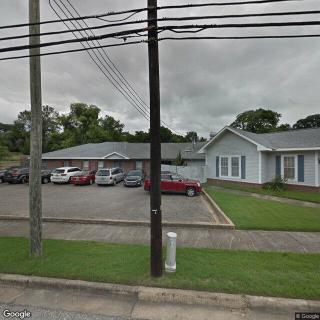
4323 Old Selma Rd, Montgomery, AL 36108
To contact a resident: (334) 832-4794
For more information about senior living options: (866) 208-4318
Overall Review of Quality Living Inc
Pros
 They find the experience to be good.
- The reviewer considers it good.
- It is described as good by them.
Cons
 They were told they would have to wait another two weeks before being paid.
Review
Quality Living Inc in Montgomery, AL, is best suited for families seeking a lean, budget-conscious assisted living option where expectations for upscale services are not the baseline. The community appears to operate with a small-to-midrange footprint, likely appealing to residents who prioritize affordability over a breadth of amenities or highly polished administration. Those who can tolerate a straightforward, no-frills environment and who are comfortable with potential variability in daily operations may find this option worth a closer look.
Those who should seriously consider alternatives are families prioritizing consistent financial and staffing reliability, transparent billing processes, and clear, proactive communication from management. The available feedback signals that administrative stability may be a weak point, which translates to questions about payroll reliability, consistency in scheduling, and overall day-to-day governance. If steadiness and predictable delivery of care are non-negotiable, it is prudent to explore other Montgomery communities with stronger, documented track records in these areas.
The most explicit pro worth noting is a brief positive remark, the word “Good” appears in one line of feedback. While that suggests there can be agreeable, ordinary experiences in some moments, the scant detail behind it leaves confidence thin. A practical takeaway is that there may be residents or staff who experience ordinary, satisfactory days, but the lack of depth in that signal makes it unreliable as a foundation for trust. In short, pleasant moments exist, but they are not a reliable predictor of overall quality.
The dominant con is clear and highly consequential: a payroll delay that left a staff member waiting two extra weeks for pay. That sort of issue hints at underlying financial or administrative instability, and it raises reasonable concern about staffing consistency, morale, and the ability to deliver dependable care. When payroll makes headlines, it tends to affect scheduling accuracy, response times, and continuity of care. Combined with the overall low rating (2.6) and one-star grievances, this paints a picture of an operation that may struggle to maintain steady, resident-centered routines.
Given the balance of pros and cons, the positives do not meaningfully offset the core risks. A single-remark “Good” token is not a substitute for reliable staffing, timely communication, and transparent operations. Families should treat this community as a potential option only after validating reliability in concrete terms, ask for recent staffing schedules, on-time payroll history, and a direct conversation with the administrator about how care is structured, monitored, and adjusted in response to concerns. The prudent approach is to compare with other Montgomery options that offer more verifiable stability.
In practical terms, visitors should implement a focused due-diligence plan: tour the building with questions about staff-to-resident ratios, shift coverage, and how emergencies are handled; request copies of recent license and complaint records; inquire about billing timelines and what protections exist if a payment issue arises; and talk to current residents or families about their day-to-day experiences. If these indicators point toward stable operations and clear communication, the option remains viable. If not, move decisively to alternatives that promise steadier management, predictable routines, and a more dependable care environment.
 Assisted Living
 Activities on-site
 Devotional services off-site
 Indoor common areas
 Montgomery Regional Apt (3 miles away)
 Ambulatory care
 Diabetic care
 Meals provided





 Choosing the Right Senior Care: A Detailed Exploration of Assisted Living and Nursing Homes
 Understanding the True Cost of Assisted Living in 2025: A Comprehensive Guide
 Understanding Medicaid Coverage for Assisted Living: A Comprehensive Guide